

At critical moments in the life of public institutions, reform-minded leadership often attracts resistance, controversy, and organised opposition. This has been the historical pattern across government agencies, universities, regulatory bodies, and examination institutions. The ongoing tensions within the Nigerian office of the West African Examinations Council should therefore be viewed within the broader context of institutional reform, administrative restructuring, and the difficult choices required to modernise a system that affects millions of students annually.
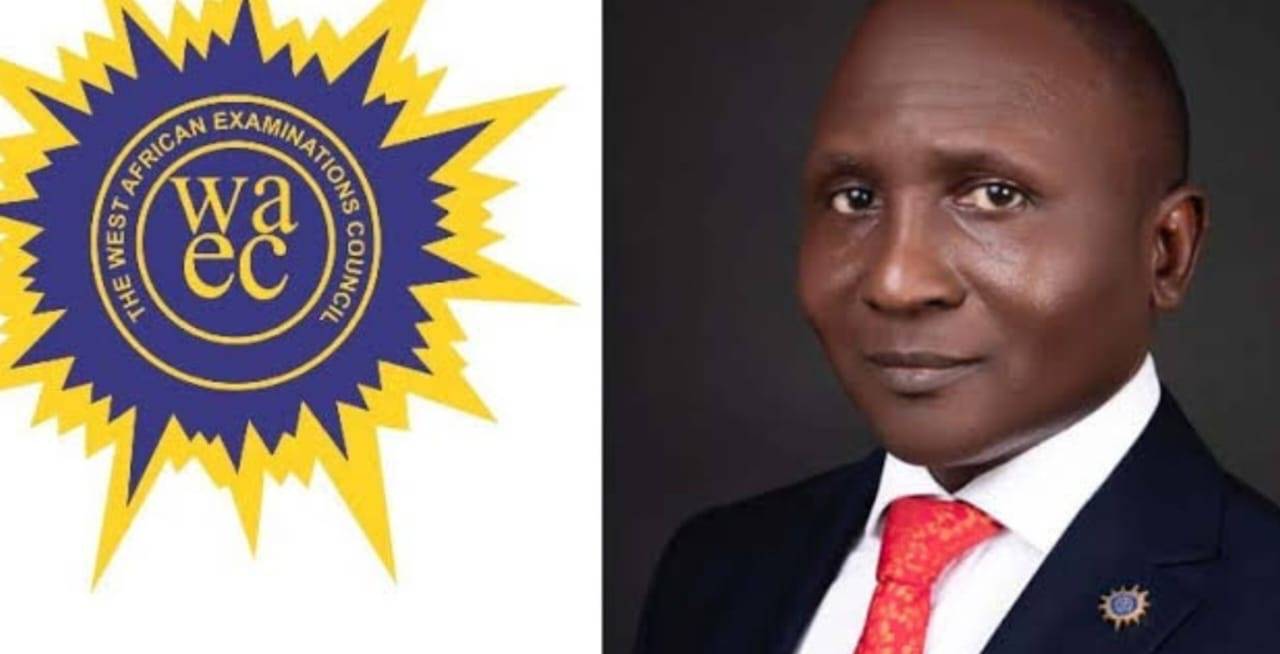
The recent protest threats by sections of unionised staff against the Head of National Office, Amos Dangut, must be carefully interrogated beyond sensational headlines and emotional accusations. At a time when WAEC is conducting one of the largest coordinated examination exercises on the African continent, involving nearly two million candidates across tens of thousands of schools, the public needs to separate reform-related discomfort from genuine institutional victimisation.
The truth is that major institutions rarely change without friction. Since assuming leadership, Amos Dangut has presided over one of the most ambitious periods of administrative tightening and operational reform within WAEC Nigeria. Whether one agrees with every policy or not, there is little doubt that the institution has been pushed toward stronger accountability, stricter operational discipline, improved examination coordination, and a more performance-driven culture.
For decades, Nigerians have complained about examination malpractice, weak supervision, compromised operational systems, bureaucratic inefficiency, delayed results, poor accountability, and institutional laxity in public examination bodies. Ironically, when administrators emerge with the courage to confront entrenched inefficiencies, they often become targets of organised resistance by those uncomfortable with change.
This is not peculiar to WAEC. It is the sociology of reform. One of the major accusations against the present WAEC leadership relates to stricter personnel management and disciplinary measures. Yet, every serious institution in the world survives on standards, compliance, and consequences. No examination body entrusted with the academic future of millions of young people can afford operational indiscipline, weak supervision, or administrative disorder.
The suggestion that enforcing standards automatically amounts to “highhandedness” deserves scrutiny. Institutions that manage national examinations cannot function as loose bureaucracies governed only by sentiment and informal convenience. They require discipline, hierarchy, efficiency, and operational responsiveness. Indeed, many of the reforms being criticised today may well become the foundations upon which future institutional stability is built.
It is also important to observe that the WAEC management itself responded to several allegations raised by union leaders and clarified its position. In fact, management reportedly suspended the controversial minimum net pay balance policy after reviewing concerns raised. That alone suggests responsiveness rather than authoritarianism. It demonstrates that dialogue channels remain open and that institutional mechanisms for review still exist.
What is therefore required at this moment is maturity, restraint, and balance from all parties. Public confidence in WAEC is too important to be endangered by prolonged institutional instability, especially during the conduct of WASSCE. Millions of students, parents, schools, and universities depend on the credibility and smooth functioning of the Council. Any action capable of disrupting examinations or weakening public trust should be approached with caution.
Unfortunately, there is also a tendency within parts of the public sector to resist reforms that alter long-standing administrative cultures. Whenever recruitment processes are tightened, performance measures introduced, promotion systems reviewed, or disciplinary mechanisms strengthened, opposition quickly emerges from entrenched interests accustomed to older systems.
That reality should not be ignored. The modernisation of examination administration globally now requires stronger digital systems, faster decision-making, learner operational timelines, stricter supervision frameworks, and improved accountability. WAEC cannot remain permanently trapped in outdated bureaucratic traditions while the education sector around the world evolves rapidly. Under Amos Dangut’s leadership, WAEC has increasingly embraced operational modernisation and institutional restructuring aimed at improving efficiency. Such transitions are rarely painless. Yet, history often vindicates leaders willing to take difficult decisions in the long-term interest of institutions.
Critics have also attempted to connect operational difficulties during previous examinations directly to the current leadership. But large-scale national examinations involve extraordinarily complex logistics: security coordination, transportation of materials, technological infrastructure, supervision across thousands of centres, examiner management, and compliance with federal educational directives. Occasional operational challenges should therefore be evaluated within the realities of managing examinations on such a massive scale.
What matters ultimately is whether the institution continues striving toward improvement, adaptation, and integrity. On that score, there is evidence that the current leadership remains committed to strengthening the system rather than weakening it.
Moreover, reform often creates discomfort precisely because it disrupts established interests. Every effort to tighten procedures, review appointments, enforce standards, or restructure operations inevitably affects individuals who benefited from previous arrangements. Resistance in such circumstances should not automatically be mistaken for moral correctness.
Nigeria’s educational institutions need courageous leadership, not perpetual appeasement. The temptation for public administrators in sensitive institutions is always to avoid controversy by tolerating inefficiency and postponing difficult decisions. Yet institutions decay when leaders become prisoners of convenience. They progress when leaders are prepared to insist on standards, even at personal cost. This is why the conversation around WAEC should move beyond personalities and focus instead on institutional outcomes. Is the Council becoming more accountable? Is it modernising? Is it improving operational efficiency? Is it attempting to strengthen standards? Those are the questions that truly matter.
No leadership is perfect, and no reform process is flawless. Constructive criticism remains necessary in every democratic institution. However, criticism must also be fair, evidence-based, and guided by institutional patriotism rather than emotional sensationalism. At this sensitive period in Nigeria’s educational calendar, all stakeholders, unions, management, staff, government, and the public should prioritise stability, dialogue, and the long-term credibility of WAEC above sectional interests.
History has shown repeatedly that reformers are often resisted before they are appreciated. Whether in universities, public agencies, or examination bodies, those who challenge old systems frequently encounter hostility from those invested in institutional inertia. For this reason, rather than joining campaigns of demonisation and institutional destabilisation, Nigerians should encourage constructive engagement while supporting every sincere effort aimed at making WAEC stronger, more credible, and more globally respected.
In the final analysis, institutions grow not merely through comfort, but through courageous leadership, disciplined administration, and the willingness to pursue reform despite resistance. On that score, Amos Dangut deserves fairness, balance, and support as he navigates the difficult task of repositioning one of Africa’s most important examination institutions.
■ Dr. Ibrahim sent this piece from Lagos. He can be reached at: Lanibrahim2029@yahoo.com.