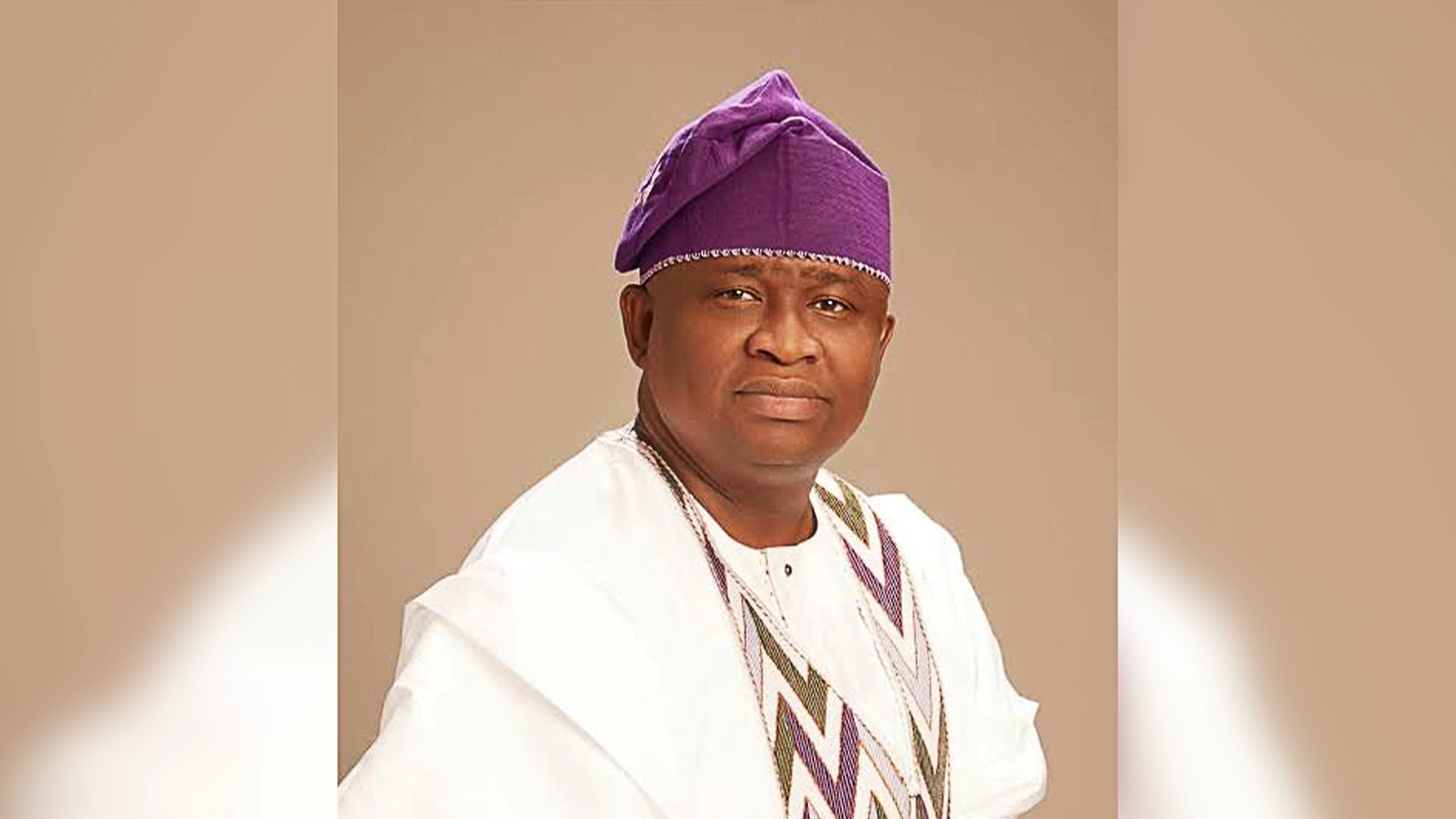

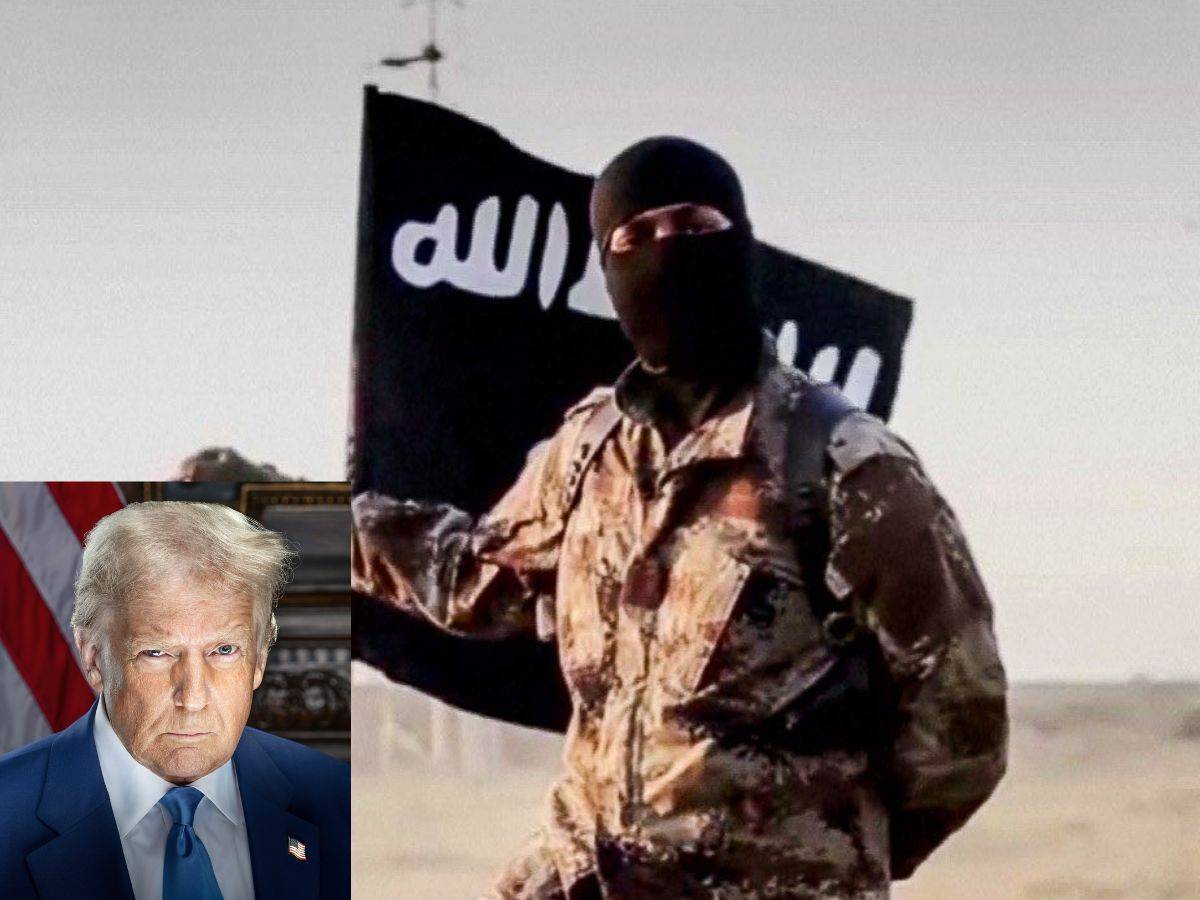

Abu-Bilal al-Minuki, described by United States President Donald Trump as the global second-in-command of ISIS, has emerged as the central figure in a major counterterrorism operation jointly carried out by American and Nigerian forces.
Trump announced on Friday that al-Minuki had been killed in what he called a complex and carefully planned mission involving U.S. forces and the Armed Forces of Nigeria. The American president did not disclose the exact location of the operation, but said the ISIS figure had been hiding in Africa and was tracked through intelligence sources.
PUblicly available records suggest that al-Minuki was not an unknown figure in international counterterrorism circles. His full name appears in U.S. sanctions records as Abu Bakr ibn Muhammad ibn ‘Ali al-Mainuki, with Abu Bilal al-Minuki listed among his aliases. The U.S. Office of Foreign Assets Control, OFAC, identifies him as a Nigerian national, born in 1982 in Mainok, Benisheikh, Borno State.
He was designated by the U.S. State Department as a Specially Designated Global Terrorist in June 2023, a status that placed him under U.S. terrorism sanctions and froze any assets under American jurisdiction. The Federal Register notice of June 16, 2023, formally recorded the designation of Abu Bakr ibn Muhammad ibn ‘Ali al-Mainuki under counterterrorism authorities.
The available U.S. sanctions entry links him directly to the Islamic State of Iraq and the Levant, commonly known as ISIS or ISIL. It also lists his date of birth as 1982 and his place of birth as Mainok in Borno State, a region long affected by Boko Haram, Islamic State West Africa Province, ISWAP, and other jihadist networks.
The Associated Press, citing the announcement and background on the militant, reported that al-Minuki was considered a central figure in ISIS financial operations and strategic planning. AP also reported that he was born in Borno and later assumed leadership influence within the Islamic State’s West African structure after the death of Mamman Nur in 2018.
That background is significant because Borno has been the epicentre of Nigeria’s jihadist insurgency for more than a decade. The state produced several notorious militant figures and has remained a major theatre of operations for Boko Haram and ISWAP. If al-Minuki rose from that environment into the global ISIS command structure, his killing would represent more than the removal of a local commander; it would suggest that Nigeria’s insurgency networks remain tied to wider international jihadist structures.
Trump, in his announcement, described al-Minuki as one of ISIS’s most active figures and said his killing had weakened the group’s global operations. Trump said al-Minuki would no longer “terrorize the people of Africa” or help plot attacks against Americans.
However, several important details remain unconfirmed. Nigerian authorities had not, at the time of the initial reports, released a detailed account of the operation. The exact location of the raid, the number of fighters involved, whether there were other casualties or arrests, and the precise Nigerian units that participated have not been publicly disclosed.
There is also a notable issue with the spelling of his name. Some reports refer to him as Abu-Bilal al-Minuki, while U.S. sanctions records list Abu Bakr ibn Muhammad ibn ‘Ali al-Mainuki and include Abu Bilal al-Minuki as an alias. This appears to refer to the same individual, based on the sanctions listing and media references.
For Nigeria, the operation carries both security and diplomatic weight. It comes at a time of renewed U.S. focus on Islamist militancy in West Africa and follows earlier reports of increased American military and intelligence support to Nigeria. Reuters reported that the U.S. had carried out strikes against Islamic State-linked militants in Nigeria in December and later deployed drones and about 200 troops for training and intelligence support.
Trump also used the announcement to thank the Nigerian government for its cooperation, a notable shift given his previous criticism of Nigeria over attacks by Islamist militants. Nigeria has consistently rejected claims that its security response is religiously discriminatory, insisting that armed groups have targeted both Christians and Muslims.
What is known, therefore, is that al-Minuki was a Nigerian-born ISIS-linked figure already under U.S. terrorism sanctions before his death. He was connected by U.S. records to ISIS, listed as a Nigerian national from Borno State, and described by Trump and international reports as a senior global figure in the terror network.
What is not yet fully known is how the operation unfolded, where exactly he was killed, and whether Nigerian authorities will provide independent operational details.
Until those details emerge, the killing stands as a major claim of counterterrorism success — but one still awaiting fuller confirmation from Abuja’s security establishment.
With additional report from GWG