

The Nigerian Advocates for Peace and Stability says misinformation is undermining ongoing counter-terrorism efforts, particularly in the wake of recent security incidents in Yobe and Niger.
The group’s convener, Ismail Abu, said this in a statement on Tuesday.
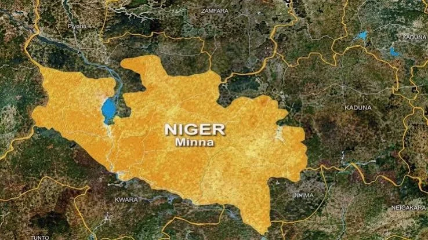
Mr Abu said the group’s concern followed conflicting reports surrounding the Boko Haram attacks on military formations in Buni Yadi and Buni Gari in Yobe, as well as allegations of civilian casualties during aerial interdiction operations in Shiroro LGA of Niger.
He noted that varying casualty figures and unverified claims, including allegations of suppression of operational information, continued to circulate in sections of the media, creating confusion and public anxiety.
He also referenced competing narratives regarding claims of civilian casualties linked to military airstrikes targeting armed bandits in Kusasu, Katerma, Bokko and Kuduru communities in Niger.
According to him, the Defence Headquarters has disputed the claims while indicating that verification efforts remain ongoing.
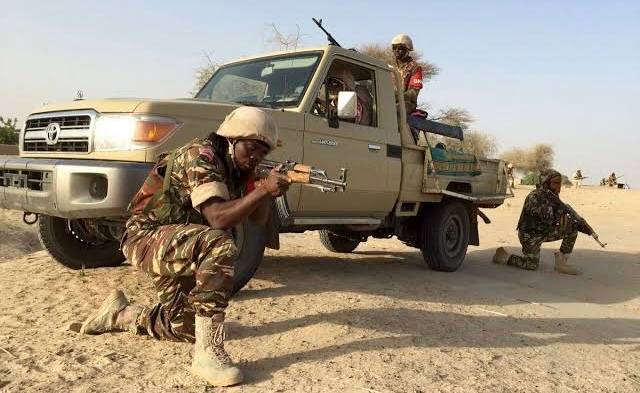
He described the timing of such narratives as troubling, especially as the nation’s armed forces intensify sustained offensives against Boko Haram, ISWAP, bandits, kidnappers and other violent criminal groups across several theatres of operation.
”It is important to note that this wave of misinformation is coming at a period when the Nigerian military is intensifying pressure on terrorist groups and recording measurable successes in degrading criminal networks. False or misleading narratives at this critical time risk distracting from ongoing operations and emboldening enemies of the state,” he said.
Mr Abu also cautioned that misinformation during active military operations could distort realities on the ground, weaken public confidence, embolden criminal groups and compromise carefully coordinated responses by security agencies.
According to him, terrorist and insurgent groups often exploit information gaps and emotional narratives to manipulate public perception and undermine troop morale.
He further warned that inaccurate or premature reporting of casualty figures, operational outcomes, troop movements or intelligence activities could jeopardise sensitive operations and put both civilians and security personnel at risk.
“Military operations are dynamic, intelligence-driven, and often evolve rapidly. The rush to publish unverified claims can interfere with ongoing efforts aimed at protecting lives and communities,” he added.
He said that although the group supports press freedom, transparency, and accountability, there is a need for responsible crisis reporting anchored in verification, context, and professional ethics.
He urged journalists, civil society organisations, digital content creators, and the general public to verify sensitive security-related information through credible channels and to avoid amplifying claims that could escalate fear or inadvertently aid the objectives of violent extremist groups.
”The fight against terrorism is not only fought on the battlefield; it is also fought in the information space. At a time when troops continue to confront terrorists and bandits across multiple theatres, responsible communication remains a collective national responsibility,” he said.
(NAN)