

While the outcome of the 2027 elections may be subject to a lot of analyses and permutations, the composition of the All Progressives Congress (APC) Presidential Campaign Council (PCC) is not open to conjectures or even serious contentions. The APC PCC is a masterstroke President Bola Tinubu and his party will likely convert to victory on the first ballot. The composition was not, however, without its false start. The first list was thought to be neither inclusive nor structurally sound, and was quickly withdrawn. By the time the reconstituted list was published last week, it was clear the president and his men had given the exercise a total makeover. It has still come out controversial, with several of the party’s governors uncertain that the best thing had been done. The governors had in fact formed the opinion that they were being asked to lie with strange bedfellows; but in the end, the party had widened the bed and created enough space for everyone dedicated to getting the president re-elected.
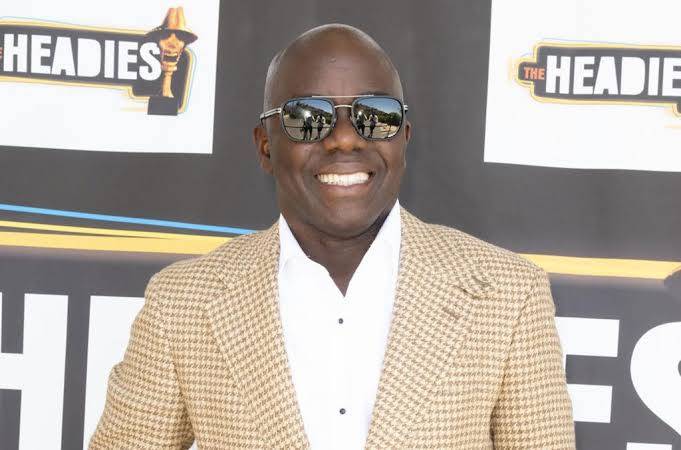
The most notable part of the masterstroke, as nearly everyone had speculated weeks before the list was published, was the inclusion of non-APC political heavyweights eager to back the president. They were not bribed or coerced. They saw merit in the president’s candidacy, were alarmed someone else unsuitable among the leading contenders for the presidency might dare to take his place, and believed that continuity would best serve the purpose of Nigeria’s stability and unity. Their inclusion in the campaign council, rather than leaving them to run parallel and perhaps uncontrollable structures, doused major frictions and heightened the likelihood of campaign cohesion. Three of such inclusions have drawn the attention and approbation of many people, not to say the envy and contempt of the African Democratic Congress (ADC) and the Nigeria Democratic Congress (NDC), two of the leading opposition parties contesting the 2027 presidential poll. The three are the gladiatorial Charles Soludo, Anambra State governor and member of the All Progressives Grand Alliance (APGA), the effusive Ademola Adeleke, Osun State governor and member of the Accord Party (AP), and the pugnacious Nyesom Wike, Federal Capital Territory minister and national leader of the main opposition Peoples Democratic Party (PDP).
The inclusions, which were not limited to the three political heavyweights, have vivified the APC presidential campaign. They have also helped to eliminate frictions and bottlenecks in the campaign and effectively turned the effort to re-elect President Tinubu into a rainbow coalition. APC governors, many of whom resented the influence of the obtruding Mr Wike, had at first resisted anything that suggested a rainbow coalition or movement. They were sure, as they demonstrated to their dismay and regret during the Osun governorship election, that the APC could win on its own merit. But the president, who is less fastidious about the colour of the campaign council than its effectiveness, knows instinctively that in the face of the hardship triggered by his reforms as well as the devastating campaigns embarked upon by his opponents to make him bear the brunt of popular backlash he would need everyone on board to combat the opposition. To the president, the governors wary about the elegantly named rainbow coalition seem oblivious to the dangers they face. But to the governors, the campaign council composition was a matter of party purity as well as resistance to Mr Wike’s partisan antics.
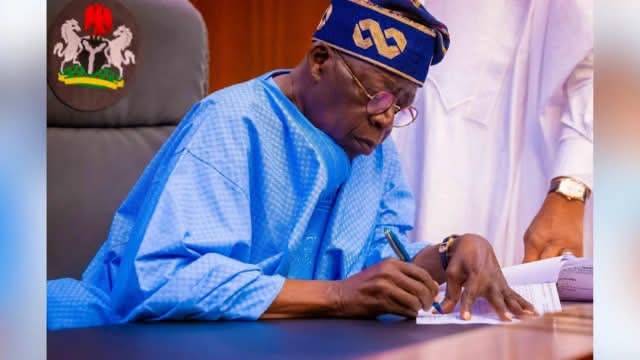
President Tinubu has now obviously had his way. He is more pragmatic, more intuitive, has embraced the rainbow coalition, regardless of who first coined the term, and is determined to have everyone on board the campaign train. The dissenting governors may not like the decision, but they are powerless to confront this fait accompli. Their own electoral successes, whether statewide or personal elections, depend on how well they flow with the presidential campaign architecture. Their chief complaint had been the refuge Mr Wike’s PDP gave some of the estranged politicians and aspirants cold-shouldered by the governors. In some instances, some of those former APC stalwarts denied tickets and now rehabilitated by Mr Wike are somewhat formidable and may give the APC governors a run for their money. Titanic battles are believed to be underway in some of these APC states, and the fractiousness of the battles is blamed on Mr Wike and his PDP. The president is thought to have acknowledged the APC governors’ fears, but he is more concerned about his re-election upon which the entire fortune of the party depends. He knows that if he is not re-elected, many of the governors will be toast to the opportunistic opposition. He may in fact be perplexed that the governors seem willing to toy with their political survival.
It is noteworthy that there had been coalitions in the past, but those coalitions had either involved the fusion of political parties or involved limited electoral cooperation of parties in a few states. No coalition in the past involved governors or party leaders retaining control of their parties and even fielding candidates against the ruling party while lending a helping hand to get a president elected. Thus, Accord’s Mr Adeleke retains his party but has thrown his lot with the APC’s presidential candidate. Prof. Soludo keeps his APGA and will field candidates for other positions but has thrown his weight behind the election of the president. Similarly, Mr Wike is keeping a tight control over the PDP and his party is fielding strong candidates for other offices, but he remains fanatical about getting the president re-elected. In fact, the FCT minister was the first political leader to incubate the idea of a rainbow coalition in Rivers before extrapolating it to the national level.
Will the Rainbow Coalition work? It worked elsewhere, in France (Emmanuel Macron, 2017), in Senegal (Bassirou Diomaye Faye, 2024), and several other places. It is likely to work in Nigeria in January 2027. It is significant that the Rainbow Coalition idea was first explored by the opposition, but was abandoned because they lacked the ingenuity and fortitude to make it work. Mr Wike fortuitously discovered the formula, brushed it up, and made it work at the state level in Rivers. Now, President Tinubu has adopted the formula and will, from all indications, deploy it at the national level. Had opposition leaders possessed the brilliance and selflessness needed to cobble together a coalition of the leading parties, rainbow would have collided with rainbow in January 2027. In Rivers where it was first practised as a tactical and political genre, it had attracted ridicule, controversy, bitterness and acrimony. It needed Mr Wike’s stoicism to transcend the rainbow coalitions’ limitations and contradictions. At the APC level, and in President Tinubu’s re-election campaign, it is also requiring presidential will to quell internal revolt and open the party to enjoy the benefits of realpolitik, cross-pollination of ideas, and political pragmatism. The late President Muhammadu Buhari faced the same conundrum during his re-election battle but unwisely left it severely alone before it had the chance to ossify into a template for future politicking. It is a brand new world out there.
NOTE: Views expressed by contributors are strictly personal and not of Theliberationnews