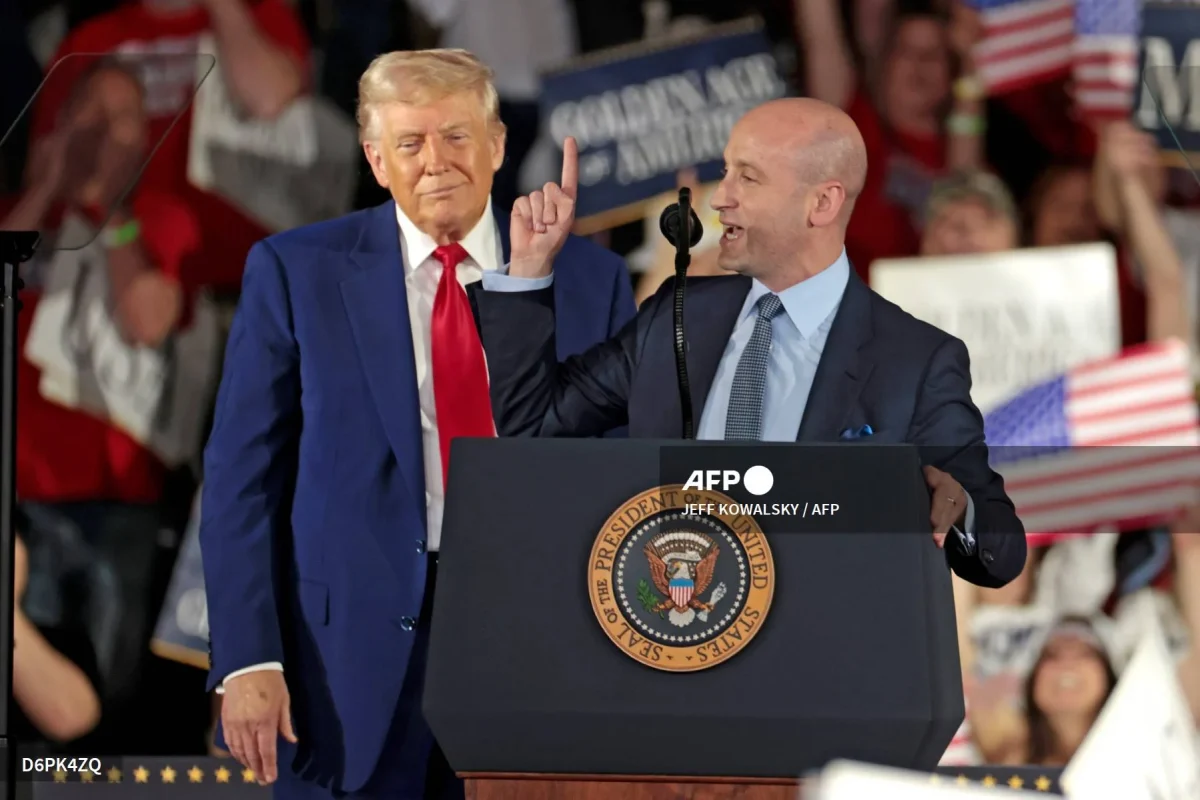

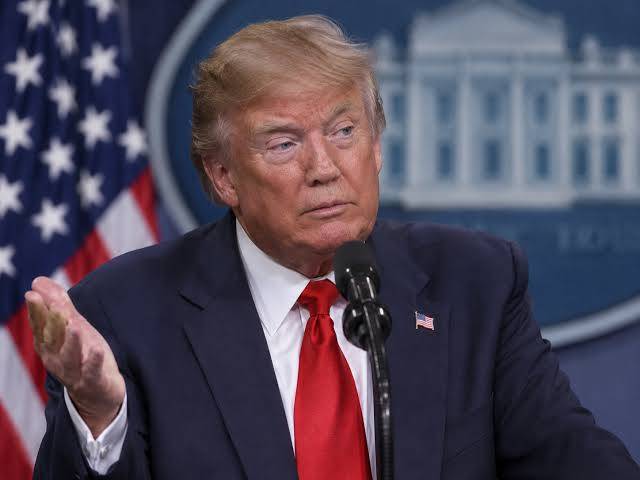

President Donald Trump is considerably diminished today because of the United States midterm elections decisively won by the Democratic Party. He will still retain his idiosyncratic bluff and bluster, but except he plans a third-world putsch to overthrow the US constitution, he must now get used to being a lame-duck president. Defeated by a punishing and seismic margin of 54 to his Republican Party’s 44 in the Senate and 254-162 in the House of Representatives, President Trump was lost for words to describe his political humbling when the results of the polls began to come in. He has blamed the Iran war and the consequent economic (Affordability) crisis it unleashed, the supposition that he was not on the ballot, and what he concludes were the many uninspiring Republican candidates on the ballot. In every conceivable way, he has shifted responsibility for the loss. CheckVoting Info
The buck, however, stops at his table. He casually triggered the Iran War last February with no clear idea on US goals or how to end the conflict. In his first term, he had needlessly voided the Iran nuclear deal, again with no clear understanding of what needed to be done to fill the gap. And having started the war, he allowed it to develop into a stalemate when he could have declared victory early and left Iran to pick up the pieces. Unable to go the whole hog and unwilling to accept defeat or humiliation, he dithered until the midterms and received a drubbing. On all sides, he is terribly diminished. Before February 28, the US was the biggest deterrent in the Middle East and particularly in the Gulf; but while it still possesses the most fearsome military in the world, its myth and invincibility are shattered. Both the Gulf countries it guarantees their protection and the adversaries it deters are now more disposed to breaking ranks with it or baiting the bully.
While the Iran war remains a huge factor in the Republican midterm loss, President Trump’s coarse, chaotic, and boastful leadership style accentuated the impending loss before the first vote was cast. He had deployed a crassly dictatorial style that denuded the judiciary of its dignity and bite, whipped the legislature into line by intimidation and guile, defanged the media by systematic abuse and alienation, and rode roughshod over the dismayed larger populace. It seemed no one could stop him until, inebriated by large-scale cabinet sycophancy, he overreached himself, ignored advice on Iran, and unleashed forces and paradoxes neither he nor anyone around him could arrest or answer. His humiliation last week was, therefore, inevitable.
President Trump may still need to be coaxed for the next two years in order not to destroy the US edifice entirely; but the larger concern for Americans would be how to pick up the pieces and restore their country’s pride and influence around the world. Mr. Trump remains capable of doing a lot of damage. If he lacked the intellect and intuition to avoid war in the Gulf or manage the stalemate his incompetence produced, nothing indicates he can manage the stalemate he seems intent on triggering domestically with the feisty and resurgent Democrats. And having immersed himself in a string of financial and bureaucratic scandals in the last two years on a scale that beggars belief, it would be too optimistic to expect that the Democrats would not demand their pound of flesh, whether the president bleeds or not. Being rough-hewn himself, the president will descend into the ring and bite in the clinches. And given that the Democrats are not too astute in managing victories, let alone the spectacular midterms results which arose out of deep public discontent against Mr. Trump rather than the brilliant politicking by the winners, the stalemate may become bitter and prolonged.
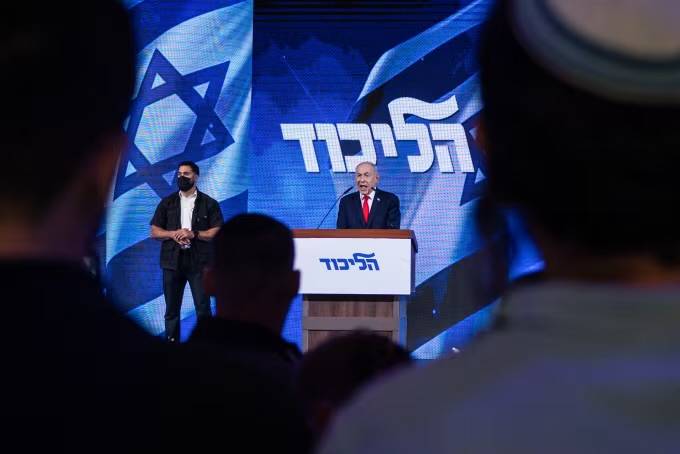
Iran and its supporters have exulted over the electoral setback Mr. Trump experienced, but there is no settling the precedence between an apparent dictatorship and a true dictatorship, and between a global hegemon and a regional hegemon. It is mystifying for anyone to justify Iran in the Gulf war. Iran had become a terror to the Gulf in its drive to impose Pax Irana by sponsoring and arming proxies in the region, threatening genocide, and posturing as the true and dignified face of Islam. The Gulf States rejected and resented Iranian interventions and militant diplomacy, and had sought protection from the US, and more recently from Pakistan and Turkey. Mr. Trump may have foolishly mismanaged the Iranian War, and indeed had no justification for discarding the 2015 Joint Comprehensive Plan of Action (JCPOA) finalised between Iran and the P5+1, let alone starting a war, but the previously simmering Gulf crisis would still have broken into open conflict if Iran continued to press its hawkish regional agenda. The Gulf stalemate continues for now, but Iran’s hands are much strengthened by the outcome of the nearly seven months war and the electoral debacle suffered by both the Republicans this month and Benjamin Netanyahu’s Likud Party last month. More than democracies, dictatorships are clearly much better at handling the issues and crises that suffused the Gulf region.
Powered by VidCrunch
SKIP
By all accounts, Mr. Trump and the Republicans are the biggest losers in both the Iran War and the midterm elections. But the issues they have muddled up, which initially raised their domestic popularity, will resurface in the months ahead. The Democrats will have to find an acceptable formula to deal with the immigration matter, pay close attention to contentious social issues, their liberal agenda, and existential racial/multicultural suspicions that made many Whites to gravitate towards Mr. Trump thereby drawing fervent evangelical support to the Republicans. How well the Democrats can titrate these issues will determine how well they can manage their midterm election victories and prepare themselves for the next general election. The evangelicals were more predisposed to the Republicans because of the Democrats’ so-called woke agenda and excessive liberalism. Even in this midterm polls, the Democrats got many LGBTQ candidates elected: Chris Pappas (Sen. New Hampshire), Sarah McBride (Rep. Delaware), JD Ford (Rep. Indiana), Sharice Davids (Rep. Kansas), Ritchie Torres (Rep. New York) and a host of others at lower political levels. It is, therefore, not clear how the evangelicals hope to dam the river on an issue only prayer and revival, rather than political stratagem, could obliterate.
On the surface, it does appear that the Republicans may find the resolve to return their party to their mainstream ideology, away from Trumpist aberration and its excesses. If conversely the Democrats misinterpret the essence of their victories and fail to seize the opportunity to pull away from the excessively liberal approach that had doomed them for decades, then their victory in the midterms could very well end up as a fluke.
NOTE: Views expressed by contributors are strictly personal and not of Theliberationnews