

… Experts Demand Subsidy, Wider Access To Insulin, Glucose-Monitoring Supplies
The rising cost of insulin has become a major threat to the lives and wellbeing of young Nigerians living with Type 1 diabetes, with the price of a vial increasing from about N5,000 to N25,000.
Medical experts, diabetes advocates and young people living with the condition raised the concern during the 6th Annual Ogun State Youth Diabetes Camp organised by Talabi Diabetes Centre, Isara-Remo.
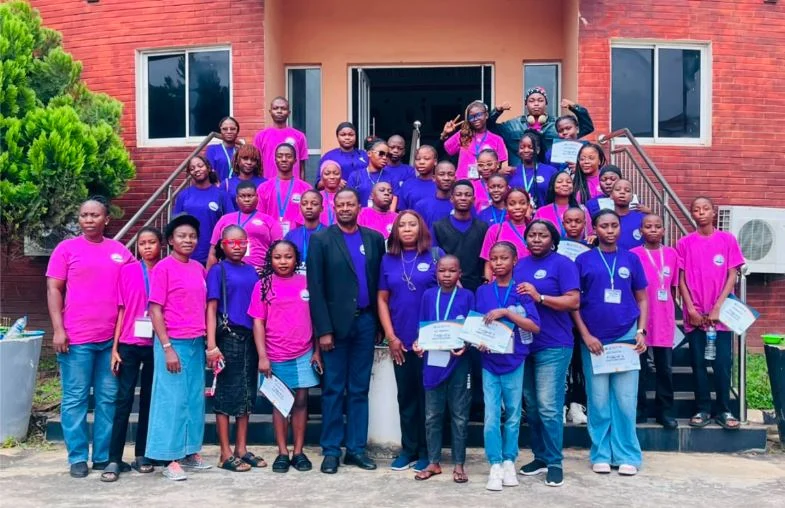
The four-day camp, held from Sunday, August 16, to Wednesday, August 19, 2026, took place at the Youth Development Centre, Olusegun Obasanjo Presidential Library, Ogun State.
The programme brought together young people living with Type 1 diabetes, their parents and caregivers, medical professionals, advocates and other stakeholders to promote diabetes education, peer support and improved disease management.
Coordinator of Talabi Diabetes Centre, Dr. Olubiyi Adeshina, said that the camp was designed to empower young people with the knowledge and life skills required to manage the lifelong condition.
Adeshina explained that people living with Type 1 diabetes depend on insulin to regulate their blood glucose and could suffer life-threatening complications if they are unable to access and use the medication.
He said that Type 1 diabetes occurs when the body’s immune system mistakenly attacks and destroys insulin-producing beta cells in the pancreas, leaving the body unable to produce sufficient insulin.
According to him, symptoms of the condition include excessive urination, excessive thirst, increased hunger, unexplained weight loss, blurred vision, recurrent infections and wounds that heal slowly.
He warned that untreated severe hyperglycaemia could progress to diabetic ketoacidosis, loss of consciousness and, in extreme cases, death.
Adeshina said that the management of Type 1 diabetes requires lifelong insulin replacement, regular blood glucose monitoring, proper nutrition, physical activity and continuous medical support.
He said that the camp exposed participants to practical knowledge on nutrition, exercise, safe insulin administration, blood glucose monitoring and prevention of diabetes-related complications.
The physician said that participants were encouraged to engage in aerobic exercises and eat appropriate portions at intervals while regularly checking their blood glucose levels with glucometers.
He, however, lamented that the rising price of insulin had placed an enormous financial burden on families caring for young people with Type 1 diabetes.
Adeshina said that some young patients require about two vials of insulin every month, meaning that families could spend approximately N50,000 monthly on insulin alone.
He added that patients also require glucometers, test strips and other supplies to monitor and manage their blood glucose effectively.
The camp coordinator noted that some intervention programmes, including Life for a Child, provide free insulin to eligible young people up to the age of 23.
He, however, stressed that the programme does not cover every young person living with Type 1 diabetes in Nigeria, creating gaps in access to essential treatment.
Adeshina therefore called for stronger government intervention to ensure that no young Nigerian with Type 1 diabetes is forced to go without insulin because of financial difficulties.
Also speaking, an advocate and Director with Talabi Diabetes Centre, Dr. Ayotunde Ale, appealed to the Federal Government and the National Assembly to formulate policies that would subsidise or provide insulin free of charge to people living with Type 1 diabetes.
Ale said the high cost of treatment was contributing to poor quality of life and increasing the risk of serious complications among patients who could not consistently afford their medication.
She also condemned the stigmatisation of people living with diabetes, particularly children and young people, stressing that many of those attending the camp were brilliant and talented students, graduates and undergraduates.
According to her, some young people living with Type 1 diabetes had overcome stigma and were now championing diabetes awareness in their schools, workplaces and communities, with some emerging as international advocates.
Ale also urged parents to stop attributing unexplained deaths or recurring illnesses among children to traditional beliefs such as ogbanje, advising them to seek proper medical attention and screening.
She said early diagnosis would enable children with diabetes to receive appropriate treatment and care before complications become severe.
The advocate called for regular diabetes screening and awareness programmes in schools and communities to improve early detection and reduce misconceptions surrounding the condition.
The 2026 camp was a collaborative initiative of Talabi Diabetes Centre, Isara-Remo; Olabisi Onabanjo University, Ago-Iwoye; Diabetes Association of Nigeria, Ogun State Chapter; Society for Paediatric and Adolescent Endocrinologists of Nigeria, Ogun State Chapter; and the Youth Development Centre, Olusegun Obasanjo Presidential Library.
The programme also received support from private individuals and pharmaceutical companies, including Lekam Pharma, Novo Nordisk Nigeria and Roche/Accu-Chek.
Thirty-six young people living with Type 1 diabetes, aged between 10 and 25 years, participated in the 2026 camp, with attendees drawn from Ogun, Lagos, Oyo, Ekiti, Kwara and Kogi states.
Six mothers or caregivers and two fathers also participated, while some facilitators and participants joined selected sessions virtually.
Participants received diabetes education, practical skills, psychosocial support and opportunities to interact with peers living with the same condition, with organisers noting that such peer interaction helped reduce feelings of isolation.
Daily aerobic exercise sessions were held, while participants also underwent regular blood glucose monitoring and foot examinations, including assessment with a biothesiometer.
Some participants received glucometers to support regular blood glucose monitoring after the camp.
The educational sessions covered issues including travelling with Type 1 diabetes, continuous glucose monitoring, insulin use, diet and blood glucose control, diabetes complications, foot care, advocacy, managing diabetes during difficult economic times and the psychological challenges of living with the condition.
Participants also raised concerns about the emotional burden of managing diabetes, including daily blood glucose monitoring, insulin administration, meal planning, fluctuating blood sugar levels and fear of long-term complications.
They further complained about discrimination and stigma in schools and communities, saying some children and young people living with diabetes had faced negative treatment from fellow students, teachers and members of the public.
The camp communiqué therefore called for increased diabetes awareness in schools and communities and training for teachers and school personnel on how to support students living with Type 1 diabetes.
The organisers also demanded greater access to affordable insulin, glucometers and test strips, as well as stronger government support for lifelong diabetes care.
They urged the Federal Ministry of Health and Social Welfare and the Ogun State Ministry of Health to strengthen the training of healthcare workers involved in the management of diabetes among children, adolescents and young adults.
They also called for increased support from philanthropists, private organisations and development partners for diabetes education, insulin access, glucose monitoring and psychosocial support.
For the young participants, the camp provided renewed confidence and a sense of belonging. One participant, Omuegbuzie Ikechukwu Sharon, said the programme had significantly increased her knowledge of Type 1 diabetes and taught participants practical ways to manage the condition.
Another participant, Ekundayo Victor, urged people living with diabetes not to become depressed or allow stigma to define their lives, stressing that proper management, support and self-confidence could enable them to lead productive and fulfilling life.
Culled from First Weekly