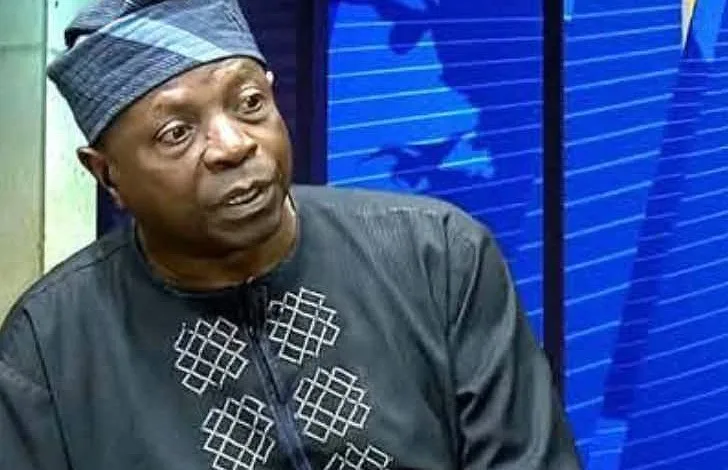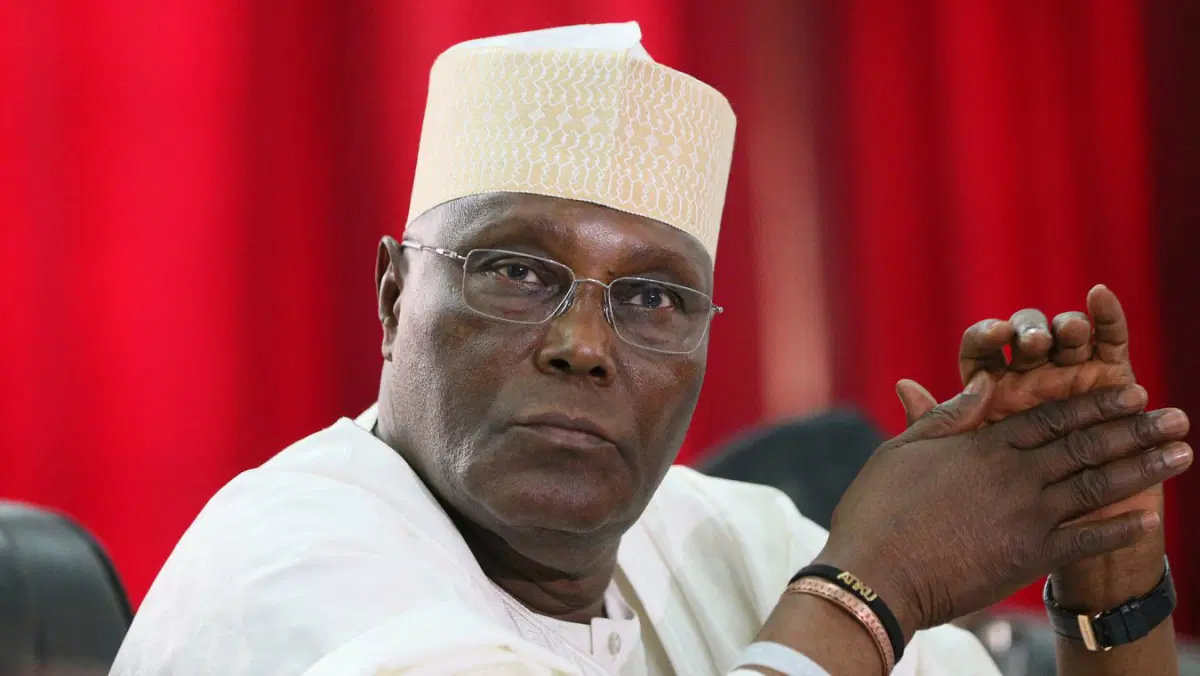

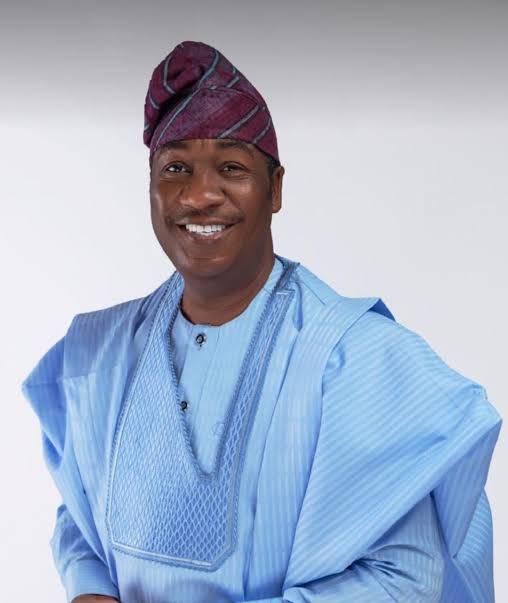

The Lagos Engineers’ Town Hall Engagement and fireside chat with Engr. Dr. Kadri Obafemi Hamzat, FNSE, Deputy Governor of Lagos State and APC governorship candidate for 2027, with Engr. Abiola Kosegbe, a retired Permanent Secretary in the Lagos State Government, as moderator, produced a glimpse into the policies of Dr Hamzat from flooding to rail, jetties and waste.
On Flooding
“When a woman’s shop is flooded, she doesn’t need an engineering explanation. When a child unfortunately gets swept away, you can’t go telling the parents about engineering. We must treat every aspect as a system.”Learn Engineering
“Lagos faces three existential threats: high water level, excessive rainfall, and excessive heat. We must have a system that moves water quickly from people’s houses onto the primary drains. If we are able to do that, we are going to solve a lot of problems,” -Dr. Hamzat
On Rail
“We are, as a state government, the only sub-sovereign in the world building urban rail projects entirely on our own balance sheet without federal funding.”
“We occupy 0.4% of the landmass in Nigeria, but we are responsible for about 10% of the population of Nigeria. Our traffic density in Lagos is 21 times the national average.”Buy Maps
The plan is to “finish the Blue Line and the Red Line, and pick up the Blue Line to connect with the Red Line at National Theatre.”
Water Transport and the Jetty Question
“We are a water state with 140 kilometres of navigable waterways. We have expanded 27 out of our 42 jetties and are bringing in electric ferries.” At Oworonshoki, a terminal will run ferries and buses parallel to Third Mainland Bridge every 15 minutes.
“We are linking road, rail, and water together with a single COWRY card used by 4.2 million Lagosians. You can enter the train, BRT bus, or ferry with one card. That is the next chapter for us.”
Ask about ferry transport and unused jetty
Dr. Hamzat pointed to a larger facility planned at the crossing near the Mainland Bridge, “a massive jetty, an interchange where people can park, where people can take buses.”
On the jetty, completed over 8 years ago, that has not been in use.
Dr. Hamzat explained the constraint. He said it was rehabilitated to serve market people, and making it usable for a wider public would mean clearing a good deal around it. “So the question is how much do you want to remove in order to use it effectively?” he asked.
“Local people can still take ferries to the market. We decided that we don’t want too much destruction,” he added.
Planning Discipline and the Cost of the Right of Way
On land use, he said the difficulty runs across the continent. “The biggest challenge in many parts of Africa, whether Accra, Freetown, or Lagos, is physical planning. We need to be disciplined with our physical master plans.”
He cited the Red Line as an example. “Before we even touched the ground, Lagos State paid over ₦9 billion in compensation to property owners and tenants.”
“We must build higher now without intruding on our neighbours. Physical planning is a big, big deal, and it is one of the key priorities we must face as a state.”
On Waste
A female environmental and waste management engineer asked how the state will ensure that its existing and new waste facilities, some reportedly underused, are fully utilised and deliver value for money.Learn Engineering
Dr. Hamzat rejected the premise on abandonment. “The assertion that facilities were abandoned is not accurate. We have Transfer Loading Stations built since 1999.” He added that an average of 314 trucks dump waste at landfills, which is not ecologically sustainable.
The new stations, he said, are built to handle far more. “We are constructing modern Transfer Loading Stations that will process 2,500 metric tons of waste daily, converting waste into recoverable materials and waste-to-energy facilities, handling 2,000 to 3,000 metric tons. Our goal is to divert almost 95% of waste from open landfills.”
Flooding, Drains and Response Times
The Chairman of the Nigerian Institution of Environmental Engineers (NIEE), Lagos State Chapter, raised the issue of flooding in coastal and low-lying areas and asked how government will fast-track response times when citizens report environmental violations that block drainage channels.Learn Engineering
Responding, Dr. Hamzat said: “I mentioned Lagos is below sea level. That’s what God did us. So it is about adaptation, and we cannot control the amount of rainfall, that’s from God. We can’t stop it.” He however noted that citizens must also change the habits that worsen the problem, such as dumping waste in drainage channels.
He also gave a working standard for drainage. He said floodwater should clear within two hours of the rain, and that anything longer points to a blockage somewhere in the system. He added that flash floods keep recurring across many communities because water is not yet draining properly into the lagoon and creek that receive it.
On response times, he pointed to the state’s citizens’ portal. He admitted that it can be improved, and said the state is exploring the use of AI to speed things up.
Illegal Heavy-Duty Truck Parking and the Federal Connection
A senior engineer asked about heavy-duty trucks parking illegally on Lagos roads and street traders encroaching on carriageways.Learn Engineering
Dr. Hamzat responded that the problem that we have in Lagos is that “too many federal agencies do things in Lagos. It used to be that they give people permission to park under our bridges; it must stop, and we stopped it. You get there and you see people with receipts from some federal agencies, then it becomes a problem. Citizens have paid for something, so the synergy between us and federal agencies is what we need to improve.”
On Engineers Heading Engineering Bodies
A senior engineer raise the issue of Engineers heading engineering related bodies.
Dr. Hamzat pointed out that Lagos has always prioritised professionals in their relevant ministries and agencies. This policy is not changing under his leadership.
Isqil Najim can be reached on Linkedin