

Politics in Nigeria has a way of turning bread-and-butter issues into seminars.
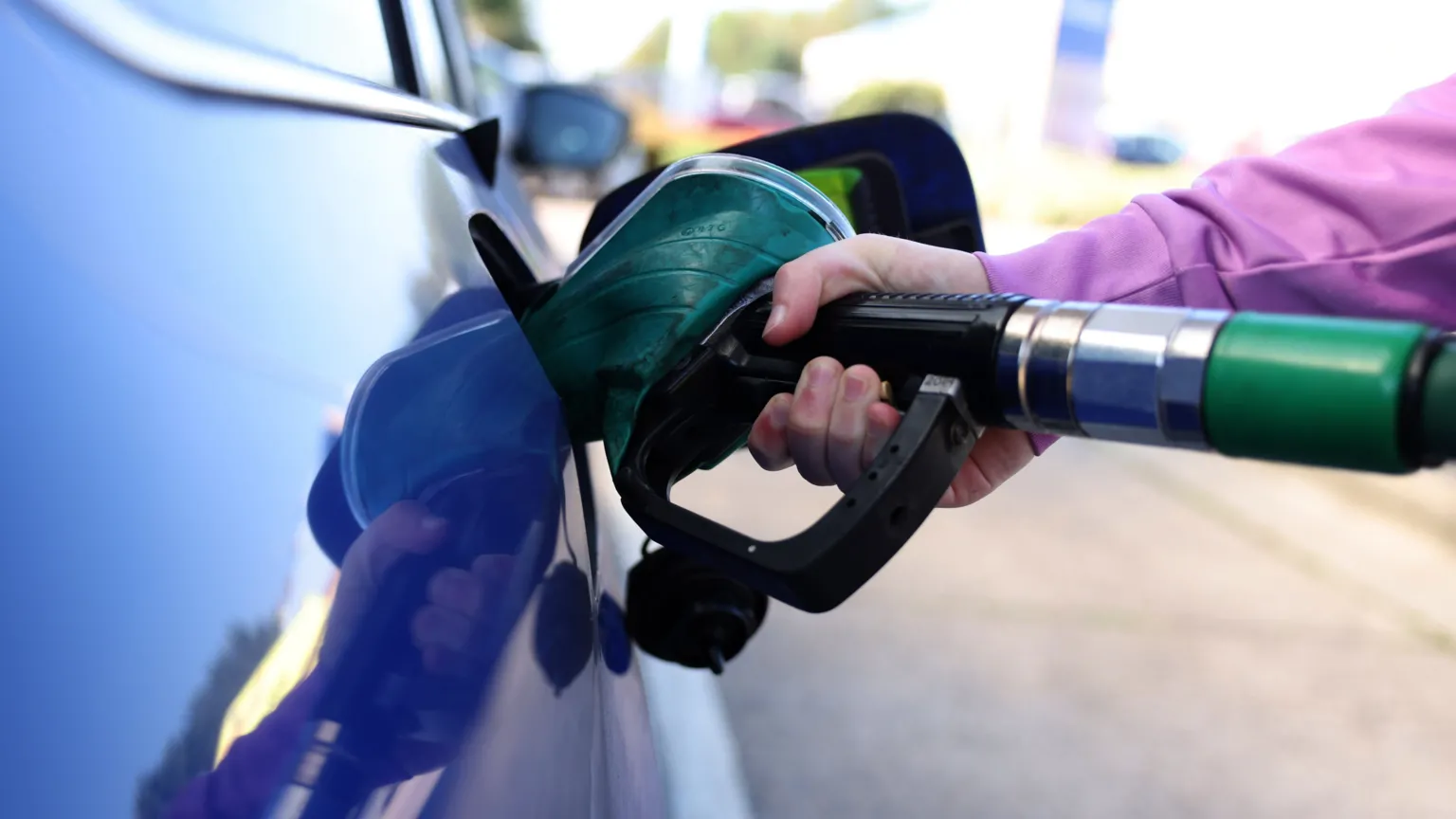
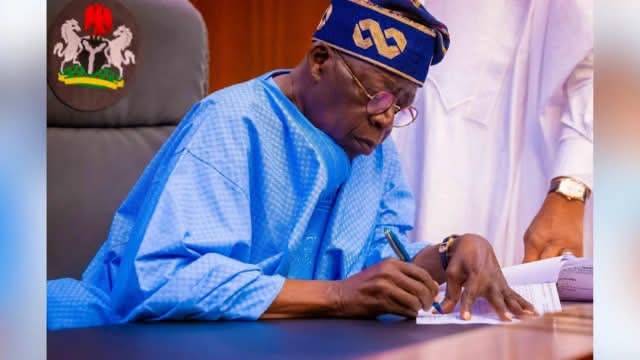
When President Bola Ahmed Tinubu announced the removal of fuel subsidy on May 29, 2023, the soundbites were immediate and presidential: “courage,” “political will,” “difficult but necessary,” “saving the economy.”
More than three years later, the government is still quoting GDP growth, foreign reserves, domestic savings, and fiscal consolidation. Economists on television are drawing charts. Ministers are talking about “long-term gains” and “structural adjustments.”
But on the streets of Saki, Sokoto, Aba and Abuja, there are no charts. There are only transport fares, food prices, school fees, and generator fuel.
And the question ordinary Nigerians are asking is brutally simple: Has my life got better?
—THE REGIME WE KNEW—
Under the subsidy regime, whatever its leakages and corruption, the common man understood the bargain.
Transport was not cheap, but it was predictable. A bag of rice climbed, but not every market day. A danfo from Oshodi to Ikeja did not double overnight. Parents could budget for the month without fearing that diesel for the school bus would triple before PTA.
Was the subsidy perfect? No. It was abused by marketers, oil smuggled across borders, and turned into a bazaar for a few. But for millions, it provided a buffer — a rough, leaky umbrella against the rain of global oil prices.
People grumbled then. Today, they remember it with nostalgia. Because nostalgia is what you feel when the present hurts more than the past.
—THE REGIME WE HAVE—
Since the removal, the logic sold to us was sacrifice now, prosperity later.
But what has “later” delivered to the man who earns ₦70,000 and spends ₦40,000 on transport and food?
Inflation has ramified every corner of life. Food inflation is not a statistic — it is a mother removing meat from stew. Transport inflation is not a policy footnote — it is a worker trekking 3 bus stops to save ₦200. School inflation is not macro data — it is a child sent home for fees.
The administration’s economic jargon is not the problem. The problem is the translation. What have higher reserves and better savings translated into in the life of a vulcanizer in Benin? What has GDP growth meant to a trader in Onitsha whose customers now buy half-loaf and half-tomato?
The Yoruba have a proverb for this moment:
“Orisa ti o ba le gbe mi, fi mi si le bi o se ba mi.”
“If the god cannot add value to my life, leave me the way you met me,” as transliterated.
That is not economics. That is survival theology.
—ATIKU’S GAMBIT AND THE POLITICS OF MEMORY—
It was therefore inevitable that Alhaji Atiku Abubakar, former Vice President and now ADC presidential standard bearer, would seize on this pain. His avowal to reverse the subsidy removal is being dismissed by the Tinubu camp as populism, propaganda, and a return to a discredited past.
Maybe. But in politics, the only propaganda that works is propaganda that feels true.
If “bring back subsidy” becomes the plank of Atiku’s 2027 campaign, it will not be because Nigerians have forgotten the corruption of the old system. It will be because they remember what it felt like to breathe.
You cannot blame people for preferring a flawed yesterday to a cruel today. That is not irrationality. That is memory as a survival tool.
—THE RIGHT TO CHOOSE WHAT HURTS LESS–
Democracy is not just about big ideas and big numbers. It is about the right of citizens to choose the regime that least brutalises them.
If subsidy was a sin, it was a sin that fed people. If its removal is a virtue, it is a virtue that is starving people.
You cannot ask a hungry man to celebrate fiscal prudence while he skips dinner. You cannot ask a commuter spending 40% of his salary on transport to applaud foreign reserves.
The Tinubu administration may be right on the economics textbooks. But governance is not written in textbooks. It is written in kitchens, in motor parks, in classrooms.
—RED LINE—
We can argue about policy design, about palliatives, about CNG buses and student loans. We can argue about whether reversal is feasible.
But we must not argue about the right of Nigerians to say: “This is not working for us.”
If the new god cannot carry us, then the people have every right to look back at the old god — even with all his faults — and ask to be left as he met them.
Because at the end of the day, policy is not measured by press releases. It is measured by whether the ordinary Nigerian can go to bed with food in his stomach and hope in his heart.
Right now, too many are going to bed with neither.
And that, more than any GDP figure, is the real red line.
NOTE: Views expressed by contributors are strictly personal and not of Theliberationnews