



Have you ever watched a mother settle down to feed her baby? Look closely, and you will notice something: it’s not just feeding, it is a whole conversation and connection between the two of them. There is the skin against skin, the eye contact that lingers, the tiny hands patting her chest, the small milk-drunk smile in between. It looks simple, but what is happening in that moment is one of the most powerful investments a mother can make in her child’s health. And the beautiful part is, it costs nothing but time, patience, and a little support from the people around her.
Why Exclusive Breastfeeding Matters
Health experts recommend exclusive breastfeeding for the first six months of a baby’s life. In simple terms, this means breast milk only, no water, no formula, no early solids. It may sound strict, but there is good reason behind it. Breast milk is uniquely designed to meet a newborn’s nutritional needs at every stage. As the baby grows, the milk grows with them too, adjusting its nutrients along the way. Even within a single day, no two feeds are the same, and that’s the beauty of it: a mother’s body is constantly responding to her baby, giving exactly what is needed at every moment.

For many mothers, especially first-timers, exclusive breastfeeding can feel overwhelming in the early weeks. Sleepless nights, overly full breast, a baby who will not latch properly, sometimes because of tongue-tie, a sleepy baby, or simple positioning issues, are all part of a journey many mothers quietly go through. Support from family, partners, and healthcare providers makes a real difference in helping a mother push through those early hurdles.
It also helps to know that struggling at first does not mean something is wrong. Latching often takes practice for both mother and baby, and milk supply can take a few days to fully establish. With patience, rest where possible, and guidance from a lactation consultant or nurse, most early struggles settle into a smooth routine within a couple of weeks.
The Baby’s Benefit
The benefits of exclusive breastfeeding to a baby’s growth and immunity cannot be overemphasized, and they go far beyond basic nutrition:
Breast milk contains antibodies that help protect infants from common illnesses like respiratory infections, ear infections, diarrhea and other gastrointestinal issues.
Breast milk supports healthy brain development, thanks to essential fatty acids naturally found in breastmilk that play a vital role in brain and eye development.
Breast milk is easier to digest, which often means less fussiness and fewer stomach complications for the baby.
Breastfed babies tend to have a lower risk of developing certain chronic conditions later in life, including obesity and type 2 diabetes.
In short, breast milk is not just food. It is medicine, comfort, and protection, all wrapped into one natural source.
The Mother’s Benefit

Breastfeeding isn’t only about the baby; mothers benefit just as much. During breastfeeding, the body releases oxytocin, a hormone that helps the uterus contract and return to its pre-pregnancy size faster, reducing post-birth bleeding. Many mothers also find that breastfeeding helps them lose pregnancy weight gradually and naturally without stress.
Long-term, studies have linked breastfeeding to a reduced risk of breast and ovarian cancer, as well as lower rates of type 2 diabetes in mothers later in life. There’s also the emotional side, the bonding that happens during the quiet feeding moments can ease the transition into motherhood and reduce feelings of anxiety for many women.
The Nutritional Challenge Nobody Talks About Enough
Here’s something that does not get discussed as often as it should: breastfeeding takes a lot out of a mother’s body. Producing milk demands extra calories, extra fluids, and extra nutrients, iron, calcium, vitamin D, and B vitamins, to name a few. Staying hydrated matters just as much, since breastfeeding increases a mothers fluid needs. Yet many breastfeeding mothers are running low on nutrients and fluids themselves, especially in the early weeks when sleep is scarce and preparing a balanced meal can be difficult to manage.
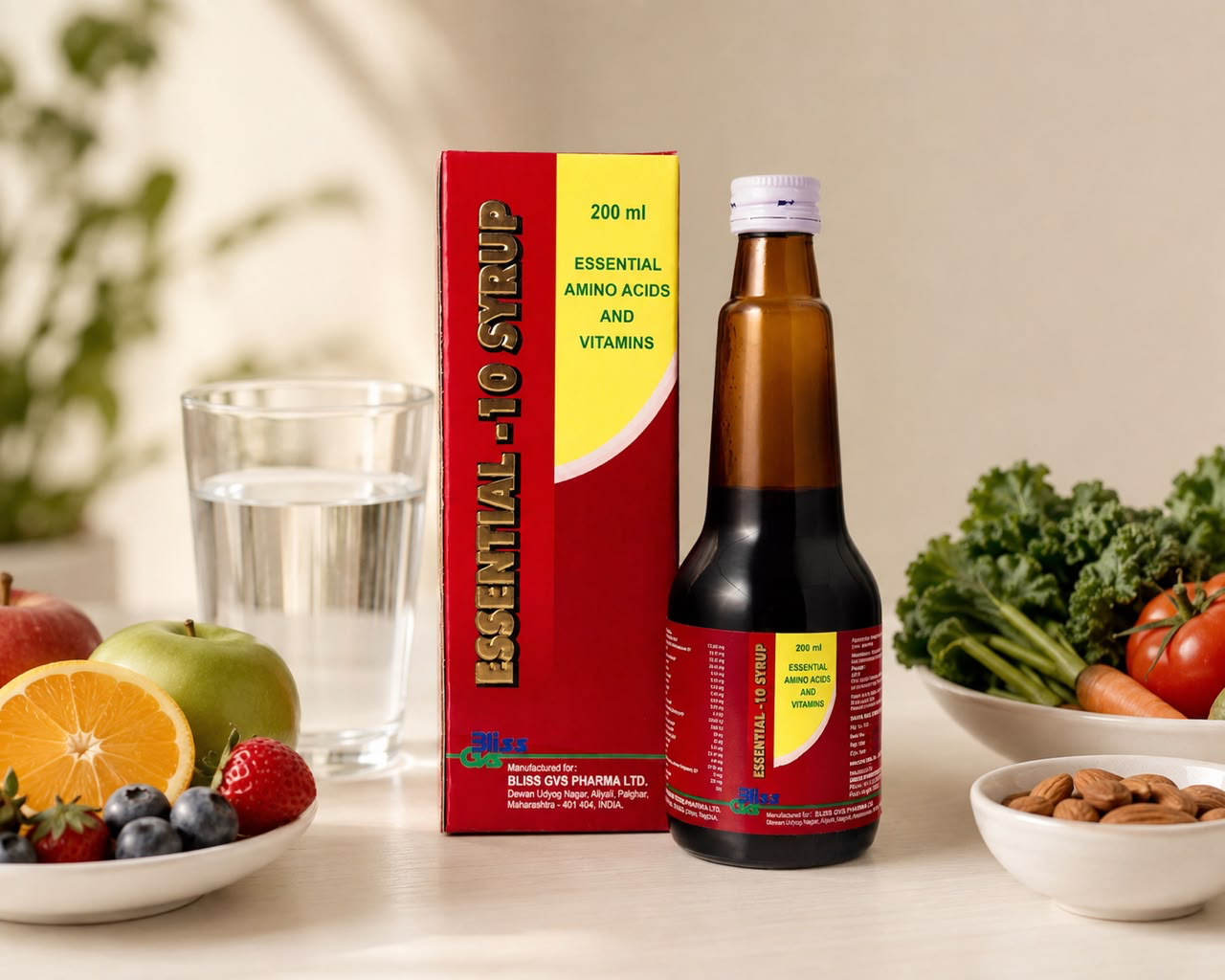
This is where the nutrition gaps quietly creeps in. A mother can be doing everything right for her baby while unintentionally neglecting her own needs, and over time, that catches up with her, slowering postpartum recovery. This is exactly the kind of gap a nutritional like Essential 10 can help support.
Supporting the Mother’s Diet
A well-balanced diet remains the foundation for every breastfeeding mother. A plate rich in vegetables, protein, whole grains, and enough fluids remains the gold standard. But let’s be honest, between night feeds, house chores, and a baby who needs her mother’s attention every hour, eating right consistently is always a struggle. This is where nutritional syrup like Essential 10 comes in handy. This syrup combines the essential amino acids, the very building blocks the body uses for cell repair and recovery, with key vitamins that supports energy level and general wellness of a mother whose body is constantly working to nourish her baby.
As with any nutritonal, it is worth speaking to a healthcare provider before starting Essential 10 or any other product, especially while breastfeeding, to make sure it fits into your specific nutritional needs.
A Mother’s Choice Today, A Lasting Impact
Breastfeeding demands a lot from a mother’s time, energy, patience, and constant adjustment especially during the early days. Yet the benefits it offers extend beyond the period of nursing itself. This powerful investment that supports and strengthens the health and wellbeing of both mother and child, laying a foundation for a healthier future. As we cheer mothers on in their breastfeeding journey, we must also remember to care for and support them, making sure they receive every nourishment, be it a balanced meal, enough water or a helpful syrup to prevent essential nutrient deficiencies. At the heart of it all, nourishing the mother is also an important part of nourishing the child.