

Football from time immemorial had always been said to promote peace and amity among groups, communities and nations. Among young people and schools, football promotes friendship and understanding. In recent times however, football has replaced physical competition between clubs and some will say, football has happily replaced old time military competition between states. The totemic symbols of some clubs or national teams are wild animals or killer birds or even instruments of war. Thus we have names like the “Three Lions” for the English team, “Atlas Lions” for the Moroccan team “Flying Eagles” for the Nigerian team and “Teranga Lions” for the Senegalese team. NigerianBusiness Coverage
Some clubs have names such as “Arsenal” and the German national team is sometimes referred to as the “German machine”. Names of wild killer animals are usually appropriated and used to describe the potency of some football teams.
These martial pretensions could be dismissed as mere drama but when actual wars between nations break out, then one realises that football competitions could actually lead to military confrontation as happened in 1969 in Central America.
In 1969, El Salvador went to war with Honduras in the so called “Football war” or the “100 hour war” over the 1970 qualifying tournaments for the football World Cup. The war ostensibly was over disputes about outcomes of football matches but in actual fact the causes were rooted in social, economic and border tensions between the two countries. The war began on July 14, 1969 when the Salvadorian military launched an attack on Honduras.
As I said before, the reasons were much deep rooted. Many Salvadorians had overtime migrated to less populated Honduras leading to about 10% of the people in Honduras being ethnic Salvadorians. This put pressure on the land available mostly to capitalist banana farmers who prevailed on the government of Honduras in 1967 to enact a law leading to the expulsion of Salvadorian campesinos who had lived for a long time in Honduras. So when in June 1969 both countries met in a two leg 1970 FIFA World Cup qualifier, they had reasons to hate each other. The first game was held in Tegucigalpa, Honduras capital on June 8, 1969. After much harassment and hostility by Honduras fans, El Salvador lost 1-0 to Honduras. The return game was held in San Salvador, El Salvador’s capital on June 15, 1969 where El Salvador won 3-0. Anti El Salvador rioting broke out in Honduras leading to several deaths. There was a play-off in Mexico City on June 26, 1969 which El Salvador won 3-2. But the problem was not over because El Salvador broke diplomatic relations with Honduras alleging killings of Salvadorians in Honduras without government of Honduras stopping the carnage. Events spiralled from then on leading to air force skirmishes and troops clashing along the border before the Organization of American States intervened as mediators without addressing the basic problems of land hunger in El Salvador and unequal land opportunity in Honduras. The point I am making is that football which was supposed to bring peace between the two countries became the occasion for war.
Not much nowadays has changed from the intermingling of sports and politics. There were boycotts of Olympics in the past by countries that felt they were not ready to felicitate with nationals of imperialist or racist countries whether in the West or the East. The 1956 Melbourne Olympics was boycotted by China because Taiwan was allowed to participate. Other countries had their own reasons to protest. The Netherlands, Spain, Switzerland protested the Soviet invasion of Hungary. Egypt, Iraq, Lebanon protested the invasion of Egypt by France and Britain over the Suez Canal. In 1964 Tokyo Olympic Games, China, Indonesia, North Korea boycotted the games because of the participation of some nations. In the 1976 Olympic Games in Montreal, 28 African countries protested against the participation of New Zealand because its Rugby team had toured apartheid South Africa. In 1980 Moscow Olympics, the USA boycotted the games because of USSR’s invasion of Afghanistan and it was joined by Canada, West Germany, Japan and China. In the 1984 Los Angeles Olympics, the USSR, joined by most socialist countries boycotted the games in retaliation of the boycott of the Moscow games. In the 1988 Seoul, South Korea’s Olympics, North Korea, Cuba, Ethiopia, Nicaragua and others stayed away. In the 2022 Beijing Winter Olympics, China witnessed protest by many nations against its treatment of its Uyghurs population. India boycotted the games because of border issues with China. Boycott has been at least better than war and even the 1936 Olympics in Berlin was not boycotted despite the strong feelings against Adolf Hitler’s NAZI regime.
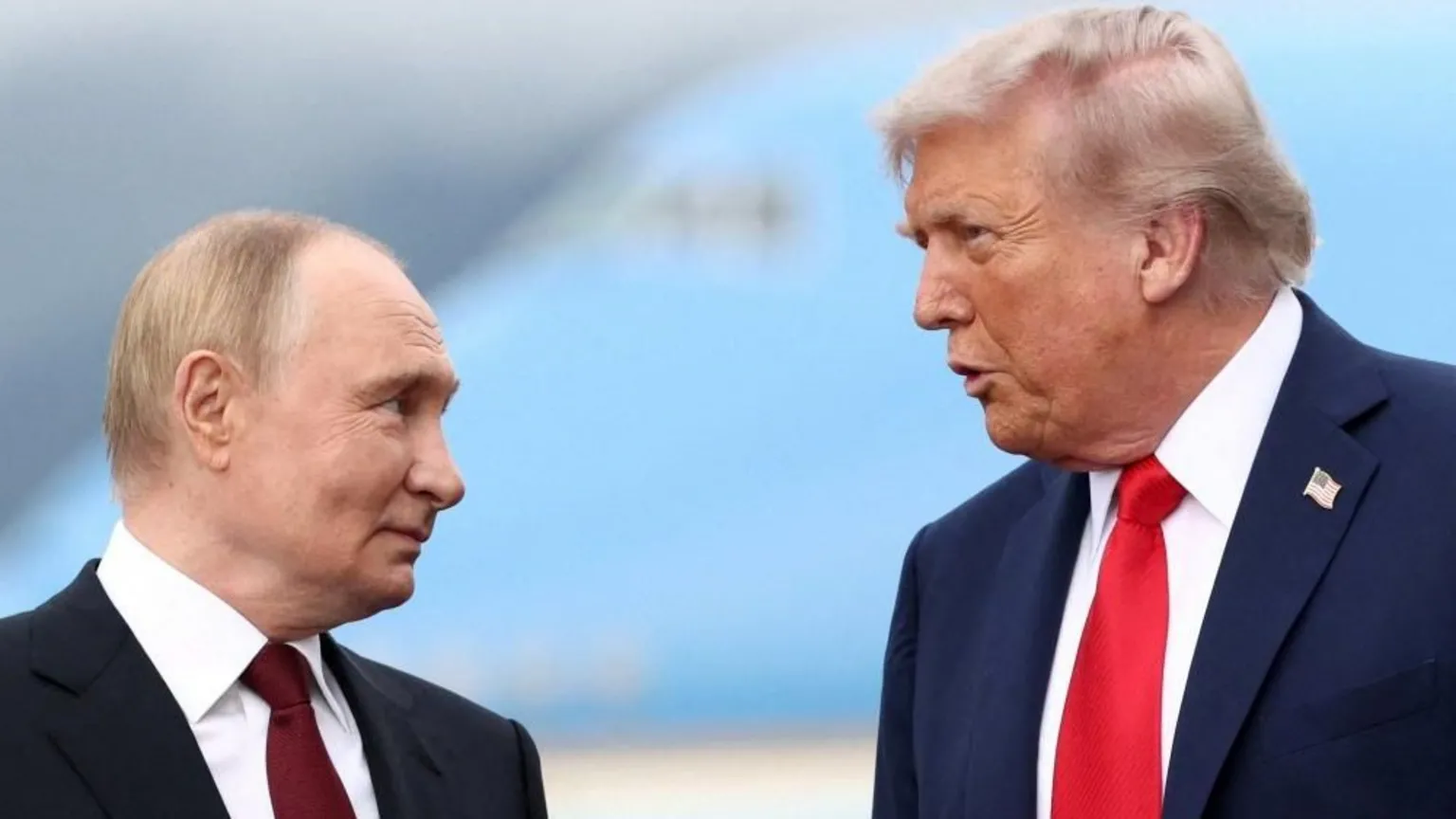
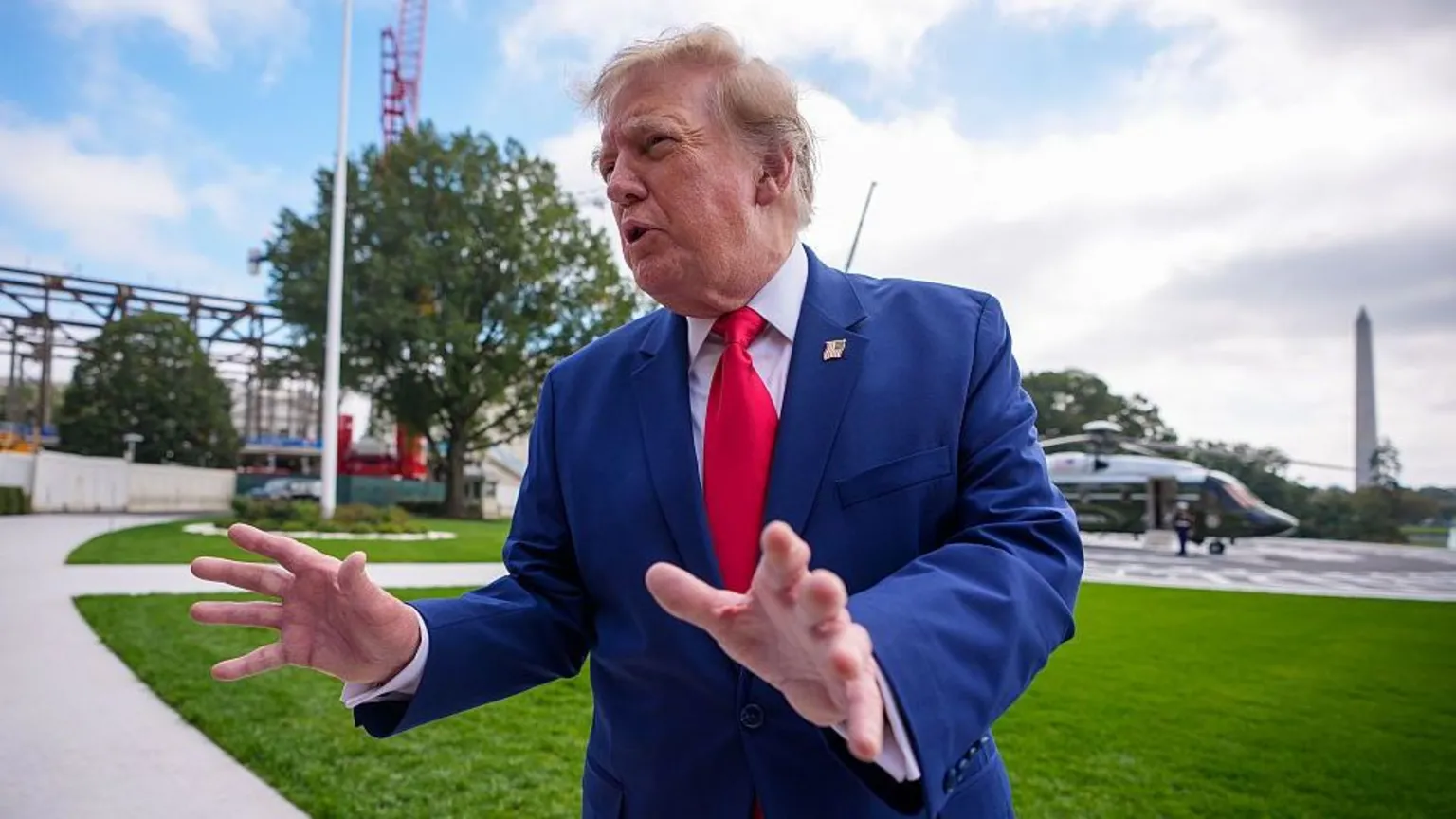
In the recent Football World Cup held in Mexico, Canada and the USA, the government of President Donald J. Trump of the United States prevented a Somali FIFA-appointed referee from coming to the USA to perform his duty as an umpire and also made it difficult for the Iranian team to have free training in the USA and they had to train in Mexico and their fans were not given visas to entire the USA. This shows how difficult it has always been to separate sports from politics. Visa denial was extended to most non-European fans who wanted to come to the USA to support their teams. Countries that were adjudged by the Trump administration to be economically viable did not suffer visa denial. Most European and Latin American countries did not suffer from this apparent racism in the hands of Trump. The issue of racism pervaded the World Cup administration and celebration. This was seen in what appeared to be match fixing to favour some teams like the Argentina team and against African countries and a team like the French team peopled by players of African descent. It is interesting that the Argentina team was unique of all the teams for not fielding any black players in its team. Even Scandinavian teams like those of Norway and Sweden had non-whites in their teams. Japanese goal keeper was black. The racism influenced teams like those of Paraguay, Uruguay and Argentina stood out despite the fact that there are black people all over South America.
The history of racial cleansing of population of some of these countries is well known and should not be encouraged in the interests of global peace and understanding. The behaviour and partiality of some of the referees were publicly deprecated. Egypt – Argentina match and Argentina – Cape Verde matches stood out as evidence of referee favouring the Argentine team. The French team was physically and deliberately wounded by Paraguay players while the referee looked on. It was apparent to most people that Messi was favoured for the golden boot rather than Kilian Mbappe through refereeing and match pairing of Argentina with weaker teams. The racist behaviour of some state officials of Paraguay against Mbappe though condemned was a manifestation of wider racism that existed below the glitz and success of the World Cup.
There is no doubt that the World Cup promoted human understanding among the cities and the fans who travelled from near and far. The members of the teams were generally friendly with one another. Some exchanged jerseys even after losing matches. Some of the Cinderella countries like Cape Verde and Curaçao were celebrated and the introduction of performing artists from the cinema and music world added more excitement to the World Cup despite the fact that some critics were not convinced of the usefulness of performing arts to the World Cup. The bringing of the heads of government and state of Mexico, Canada and the USA to watch some matches and the closing ceremony particularly Donald J. Trump brought politics into sports. The involvement of President Trump in getting FIFA to lift the penalty against an American player brought the competition to odium because with the behaviour of Trump and his boasting about his intervention in a sports competition was totally uncalled for.
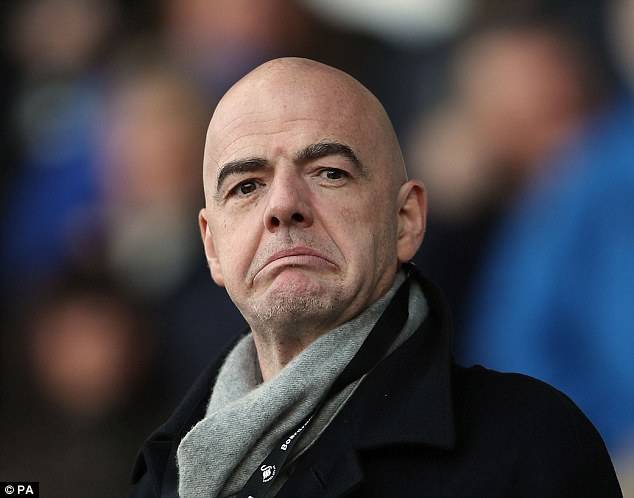
FIFA’s president Gianni Infantino’s idea of creating a private company to run the World Cup along with FIFA has brought an unnecessary crisis to FIFA. He did this without consulting critical elements of FIFA but with consultation with a few people including some close confidants of President Donald J. Trump particularly one Joshua Kushner, younger brother to Jarred Kushner, son-in-law of President Trump. Before the World Cup competition began, Gianni Infantino singly created a World Cup Peace prize which he promptly awarded to Trump. The success of the 2026 World Cup competition evidenced by a profit of $12 billion suddenly makes any business proposals by FIFA very attractive and this must have led to Infantino’s one man idea of making g FIFA a money machine.
There is a structural problem that allows FIFA’s president surrounded by a few corrupt cronies to arrogate the power of the organisations to make fundamental decisions without reference to a majority opinion. This problem should have been terminated with Infantino’s predecessor, the corrupt Sepp Blatter. Until FIFA is run as an open democratic organization the body will continue to be plagued by dictatorship and corruption. Happily when Infantino did not receive support from football confederations in Oceania, Africa and South America, despite his promise of $40 million grant each, he has had to withdraw the entire plan. It is however doubtful if this is the end of the story and the statement by Andy Burnham the British prime minister that GIANNI INFANTINO should not be running FIFA is a bad augury for his re-election as president of FIFA in 2027.
NOTE: Views expressed by contributors are strictly personal and not of Theliberationnews