

London hosted its 10th regular-season NBA match on Sunday as the Memphis Grizzlies beat the Orlando Magic 126-109, but there was a different feel to the occasion than in previous games in the city.
Three days on from the Magic’s win over the Grizzlies in Berlin’s first regular-season NBA match, the Grizzlies’ victory concluded a European double-header that brought much excitement around the sport and its potential room for European growth.
In 2027 Paris and Manchester will host a double-header – the latter also getting its first NBA in-season match – while in 2028 Berlin and Paris will take another game each.
All four cities are among those being touted by the NBA as part of its long-term plans for an independent European league that could launch within two years.
Football clubs including Manchester City and Real Madrid are among targets for the NBA to have teams in a European league, with representatives from both attending a presentation on Monday in London.
At grassroots level, basketball is the fastest-growing sport in the UK and has received further recent investment from the NBA, UK government and regionally.
But, professionally, the UK is significantly straggling on its European counterparts and, while there were a record four UK-listed players on NBA rosters in starting squads this season, it is still a low number compared to other European nations.
As plans continue to develop over a potentially transformative NBA European league, there is a sense that this is a major moment for the future of British basketball.
The plans for ‘NBA Europe’ and why now?
The NBA is planning to launch an independent European league under the working title of NBA Europe.
Talks remain ongoing, but plans lead towards it starting as a league of 12-16 teams that could include a merit-based qualification system as well as promotion and relegation.
London, Manchester, Paris and Berlin are expected to have teams in NBA Europe.
The league is expected to consist of existing teams, new sides and football clubs that currently do not have associated basketball teams.
Talks are in preliminary stages, but there is optimism around the plans and, under the NBA’s running, they have the potential to transform European basketball’s landscape.
London is being tipped to be among the key cities for the NBA’s European hopes, despite its lack of basketball presence.
It is unlikely that London will be a franchise that is part of a football team, with the city earmarked to become a model city to be emulated at other NBA Europe locations.
This is also in part because of London’s global appeal to US audiences, and infrastructure that includes the O2 and a reported new indoor arena in the process of being built.
“We know that here in London in particular, in many ways we think this market is tastemakers for much of Europe,” said NBA commissioner Adam Silver.
“The last I looked, I think the O2 is the leading arena throughout Europe and, from a revenue standpoint, exceeds most arenas around the United States.
“Culturally, all the top acts come through there. There is this New York-London connection from a fashion and music standpoint.”
An increasing number of international players in the NBA, a growing viewership in the league across Europe, and the fact that five of the NBA’s past seven Most Valuable Player (MVP) awards have been won by Europeans point towards a prime opportunity for the NBA to capitalise.
The NBA has worked on European plans in collaboration with the International Basketball Federation (Fiba), the sport’s international governing body.
As well as Silver describing interest from potential investors and sponsors as “significant”, current and former players have been showing their support for a European NBA league.
“The NBA has been such a successful brand and they have talked about expansion for 20 years ever since I was in the league, so I’m excited that this next step is finally here,” Dirk Nowitzki, the first European to win the MVP award, told BBC Sport.
“If the NBA normally does something, they do it right. Hopefully it is going to be good for European basketball and exciting.”
The NBA’s main opposition has come in the form of EuroLeague, which operates Europe’s primary club basketball competition.
EuroLeague has been strong in its objection to NBA Europe and has recently threatened the NBA with legal action should it approach EuroLeague clubs over a switch.
“I’m here to grow basketball in Europe, to make it better,” EuroLeague chief executive Paulius Motiejunas told BBC Sport in October.
“From time to time, you have these new projects or new ideas coming. They can either grow the status quo or make it much better or they can hurt.
“I truly believe that this will only hurt the status quo rather than make it better if it continues to be in a way that it has been presented.”
There are other stumbling blocks and logistical issues to work out, such as scheduling, ticket pricing, format and travel.
Should the league go ahead under current proposals, teams from potential franchises in London and Manchester travel could travel as far as Turkey and Greece for matches.
“It’s a good idea. It’s a matter now of travel.
Can you logistically do it and how would you logistically set it up?” Isiah Thomas, a 12-time NBA all-star, told BBC Sport.
“Twenty or 30 years ago, you didn’t have the type of logistics that we have now in terms of moving around the countries and moving around different places worldwide.
“Logistically, now you can easily set up tournaments, and there’s enough talent and in different countries where you can really have a pool of resources that you can continually pull from because the game is being taught at a very early young age.”
Silver said an NBA European league will measure success in its infancy by the overall growth of the sport in Europe, rather than commercially.
NBA Europe may have to play matches in smaller arenas early on while larger ones are constructed.
Early suggestions are that ticket prices would be in line with pricing for European sporting events.
What next?
Following Sunday’s match in London, the NBA hosted an invite-only presentation about NBA Europe to potential stakeholders, investors and sponsors.
Representatives from Manchester City, Real, Barcelona, Bayern Munich and AC Milan were in attendance, as were basketball clubs Olimpia Milano and Alba Berlin.
Private equity firms also attended, including JP Morgan, KKR and Raine.
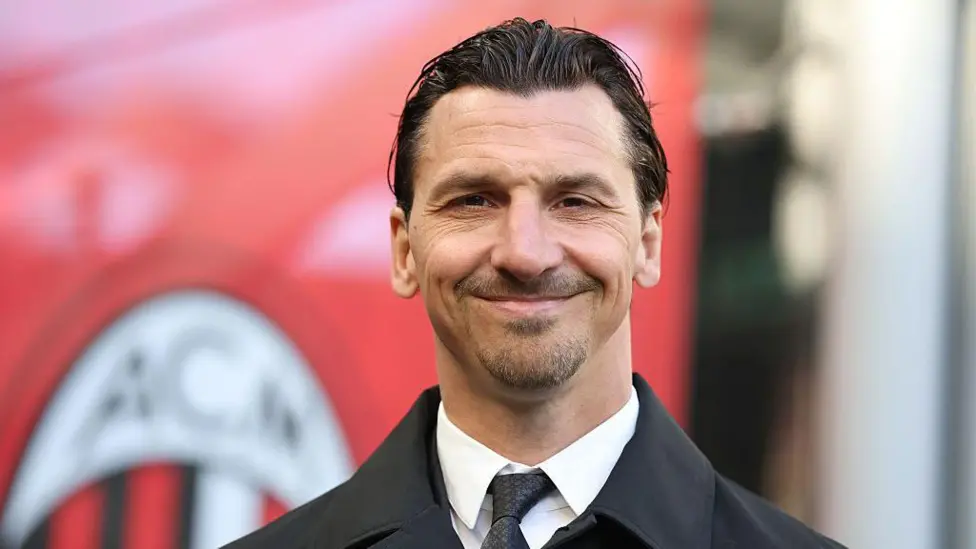
NBA legends Pau Gasol and Tony Parker featured at the meeting, as did former Sweden and Manchester United striker Zlatan Ibrahimovic.
“I’m a believer that if NBA comes with a business case and a business model and can combine it with the European fans, it will be a perfect match,” said Ibrahimovic.
“That’s why we are here – to make it successful and to make it magic, because we believe in it.”
It is understood that investors wanting to enter a team in the league will be charged an entrance fee of between 500m euros (£434m) and 1bn euros (£868), decided on a case-by-case basis.
The NBA remains open to potential majority investment from sovereign wealth funds for NBA Europe franchises. At present, they can only invest up to 20% in an NBA franchise.
By the time Manchester hosts a double-header with Paris in 12 months, there will be a much clearer picture of the future of the NBA Europe plans and whether a 2027-28 season launch is realistic.
“It would be fantastic to grow the game and hopefully elevate it to new heights in Europe,” said two-time MVP Steve Nash, whose family originates from London.
“(There is a) huge upside in London because it’s not traditionally a basketball city or country in the UK.
“To build a fanbase, to build a club, to bring new fans into the game would be incredible for Europe, basketball and the NBA.
“The players coming into the league are more and more international; the fans are growing throughout the world. London would be a fantastic place to bring the game.”
Related
BBC