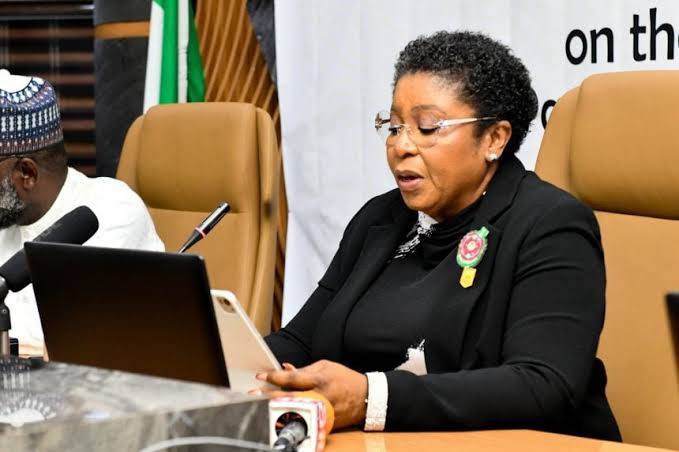



Every great nation learns to build from within. For Nigeria, that moment has come through the Bureau of Public Procurement’s (BPP) bold “Nigeria First” Local Content Policy, a far-reaching reform that places locally made goods and services at the centre of government spending. It is not just a policy adjustment; it is a national declaration that homegrown enterprise must drive the country’s development and prosperity.
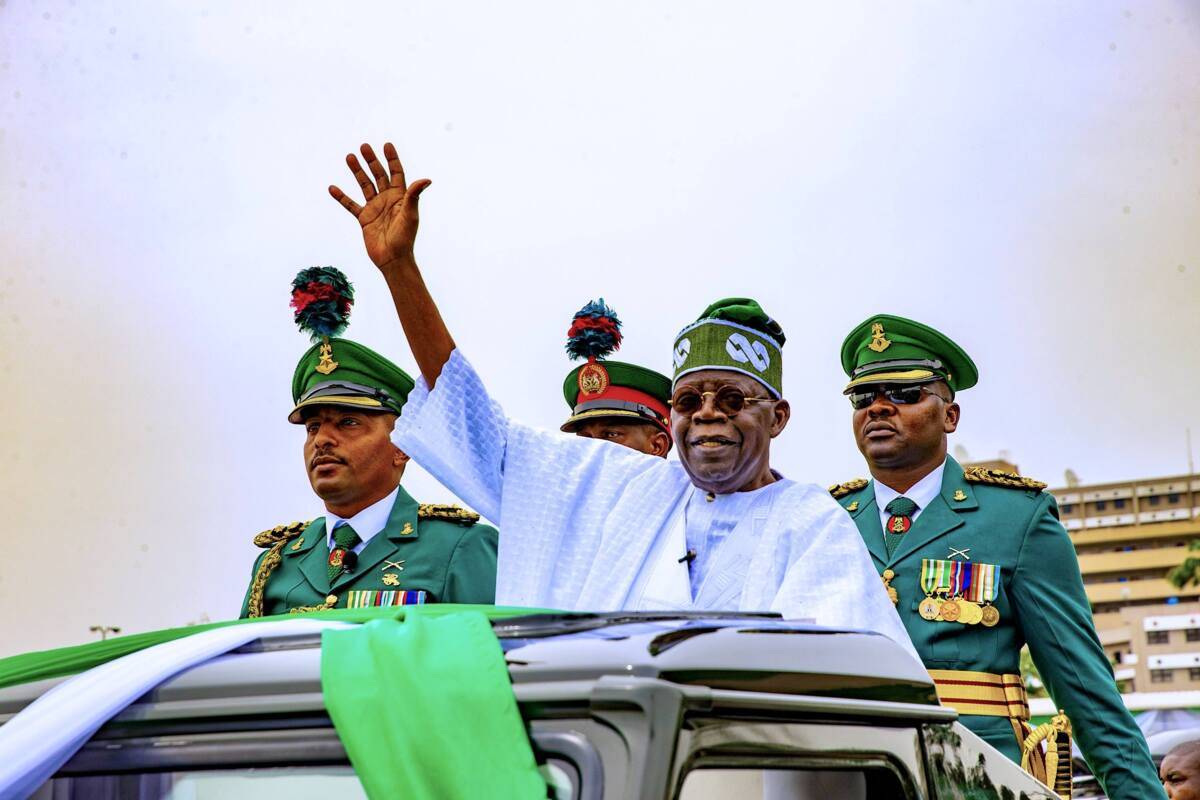
At the heart of this initiative is a simple but transformative principle: when government institutions choose to buy Nigerian, they do more than complete a transaction. They sustain jobs, strengthen industries, and reaffirm confidence in the nation’s own capacity to meet its needs. Under the leadership of the Director General, Dr Adebowale Adedokun, the BPP is championing this policy as a cornerstone of President Bola Ahmed Tinubu’s Renewed Hope Agenda, ensuring that public procurement becomes a powerful engine for domestic growth.
The “Nigeria First” policy requires Ministries, Departments, and Agencies to give preference to Nigerian-made goods and services whenever they meet the required standards of quality and value. From construction materials to digital solutions, the focus is on harnessing local talent and resources. This approach not only reduces dependence on imports but also stimulates innovation, encouraging Nigerian manufacturers and service providers to rise to the highest levels of excellence.
Imagine a garment factory in Aba producing uniforms for public schools, a software company in Lagos building systems for government agencies, or a small business in Kaduna supplying office furniture to federal institutions. Each local contract awarded under this policy breathes life into the economy, creating livelihoods and deepening technical capacity across regions. In practical terms, “Nigeria First” transforms every government purchase into an investment in the nation’s future.
The benefits reach beyond economics. A country that produces what it consumes is more secure and more self-reliant. By channelling public funds into local industries, Nigeria strengthens its industrial base, conserves foreign exchange, and insulates itself from the shocks of global supply chains. This is economic sovereignty in action, a deliberate move to ensure that national development is built upon local strength.
To guarantee effectiveness, the BPP has issued clear implementation guidelines, integrated local content criteria into tender evaluations, and established monitoring systems to ensure compliance. Procurement officers across the government are receiving training to apply these rules fairly and transparently, while local suppliers are being supported to improve their standards and competitiveness. The Bureau’s goal is to combine patriotism with performance, ensuring that buying Nigerian also means buying quality.
Inclusivity lies at the heart of the reform. The policy creates new openings for small and medium-sized enterprises, particularly those led by young people and women, allowing them to participate meaningfully in public contracts. It also promotes regional balance, ensuring that opportunities spread across the federation rather than remaining concentrated in a few urban centres. In this way, “Nigeria First” becomes a vehicle for equity as much as for efficiency.
Under Dr Adedokun’s stewardship, the BPP is not only enforcing policy but inspiring a cultural shift. It shows that patriotism and professionalism can coexist in governance. Public procurement is being redefined as a tool of empowerment rather than bureaucracy and as a channel for development rather than dependency.
Ultimately, “Nigeria First” is a call to national conscience. It reminds us that the greatness we seek will not be imported but built by our own hands. Every contract awarded to a Nigerian company, every service rendered by a local expert, and every product proudly labelled “Made in Nigeria” moves the country one step closer to true economic independence.
In choosing to invest in its people and its enterprises, Nigeria is choosing the path of resilience and renewal. Through the BPP’s Local Content Policy, the government has turned procurement into a patriotic act, one that ensures the wealth of the nation works first and foremost for the good of its citizens. This is how nations rise: not by chance, but by choice. Nigeria has chosen wisely.
President Bola Ahmed Tinubu validated this with his significant approbation in the 39th paragraph of his 2026 budget speech to the joint session of the National Assembly. Read him: “Our Nigeria First Policy has been established to encourage self-sufficiency and sustainable growth within Nigeria by promoting domestic products and businesses. By mandating that all Ministries, Departments, and Agencies (MDAs) consider Nigerian-made goods and local companies as their primary option, the policy aims to support local industries, create job opportunities, and reduce dependency on imported items. This bold new approach is expected to enhance the competitiveness of Nigerian enterprises, foster innovation, and ultimately contribute to the country’s overall economic development.” Mr. President, I concur.
■ Sufuyan Ojeifo is a journalist, communication consultant, and publisher of THE CONCLAVE @ www.theconclaveng.com