
The Prologue as Epilogue
A monstrous political blizzard confronts the entire world in the Middle East. Having blitzed the Iranians into near submission, the American and Israeli coalition is unable to call victory as long as they are unwilling to commit troops on ground to secure vital state institutions and register their imperial presence. The Persian Gulf is no Gaza Strip. On the other hand, the hardy Iranian leadership cannot contemplate surrendering to the hated enemies as long as they remain on ground and are still able to throw a few punches and send drones from an increasingly diminished stock. Hopefully, one of these would find its target, setting off a global conflagration which will compel their adversaries to leave them alone as they face an impossible situation, militarily, economically and politically.
We are peeping at the horoscope of an international disaster. These are circumstances where and when mediation would have been of help. But the US, having virtually destroyed the clout and credibility of the UN, that august body is no longer in a position to offer counseling or countervailing remonstration. Antonio Guterres, its helmsman, has gone eerily quiet. As Tehran is reduced to apocalyptic rubble, it is only a question of time before domestic animals begin to forage for food in the smouldering carnage.
Inside the biblical ruins lie the carcass of certain assumptions about civilization, inter-sovereignty parity among nations, liberal democracy and the future viability of the nation-state paradigm particularly for weak and vulnerable nations in the Middle East, Africa, North and Latin America. We may well be approaching the ultimate post-empire conundrum: the weak nation as a protectorate or willing vassal state or appendage of the bigger nation. It is colonization by any other name.
Those who saw the Middle East maelstrom coming will not be surprised by the denouement. This column did about two years ago. Anti-Iranian sentiments run deep in the veins of American society. They cut through different sections and segments of the American country, irrespective of race, religion, creed and class. To many Americans, Iran is the ultimate bogey nation: a violently authoritarian and brutal fascist clerisy which does not give a damn about the values of modern civilization or the ethos of liberal democracy. The theocratic toughies of Tehran do not think twice about inflicting their whimsical fancies and primitive cruelties on their own people not to talk of citizens of other nations, particularly America and Israel which are seen as the vanguard of modern civilization and hallmark of technological advancement.
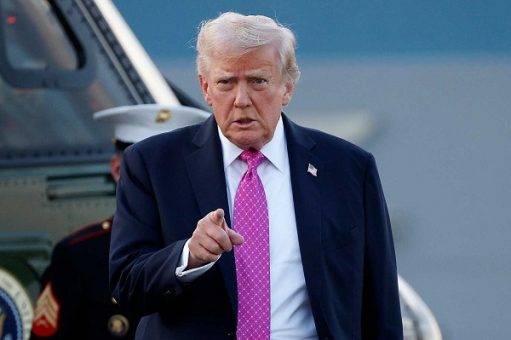
Many Americans may demur at President Trump’s method and methodology, his brutal and undisguised war-mongering, his hasty assumptions and seeming lack of capacity for consensus building among tested allies and foul weather friends—to employ a Churchillian quip—and his lack of real knowledge of the grim mechanics and irrational dynamics of modern warfare. Had he been a tested warrior himself like General Dwight Eisenhower, he would have thought twice about a precipitate aerial evisceration of Iran without certain things being place. And had he been a wise and humane ruler like those great American statesmen of yore, he would have worried about the geopolitical reverberations likely to accompany a disruption of the tense equilibrium of the Middle East and its volatile communes.
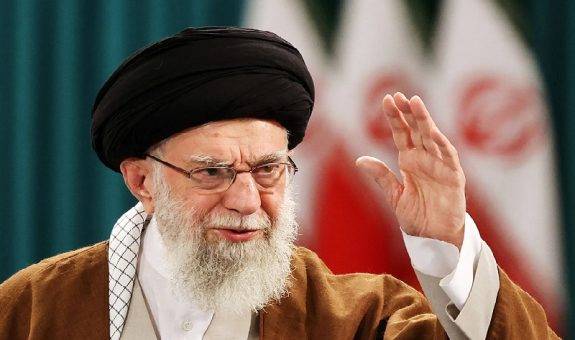
All the objections notwithstanding and despite the disagreement about time and timing, it is obvious that an overwhelming majority of Americans share Mr Trump’s passionate distaste for Iran and would rather wish its current rulers to disappear from the face of the earth, if not now but as soon as feasible. National and collective memory dies hard. It is significant to note that among the notable early casualties of the current embroilment apart from the Ayatollah Khamenei himself is a former president of Iran Mahmoud Ahmadinejad, who was reportedly killed in the early hours of the bombardment. Although this has been retracted, it will be recalled that Ahmadinejad was fingered as being among the group of students who invaded the American embassy in Tehran in the early days of the revolution and subjected American diplomats to cruel indignities. Several decades after, he was pinpointed among the crowd with chilling and point-device accuracy. For powerful nations, contumely against the state or infractions do not enjoy statute of limitations.