
Nigeria needs a strategic crude reserve to be free from sudden shocks in the international crude market
A wise man saves for the rainy day” (ologbon eniyan a maa pon omi sile de orungbe) so says an axiom. If this is true of a wise man, then it is even truer of a nation or nations.
In Nigeria, we know many of these sayings, yet we get caught up in their web in emergencies. For instance, I have for decades been hearing of another saying that one should not keep all one’s eggs in one basket; yet, for decades, Nigeria has kept all its electricity power in a so-called national grid. The result is that the whole nation is in darkness whenever there is problem with the grid. It would seem many of those who could have corrected this unimaginable anomaly are themselves too greedy to decentralise the problematic grid.
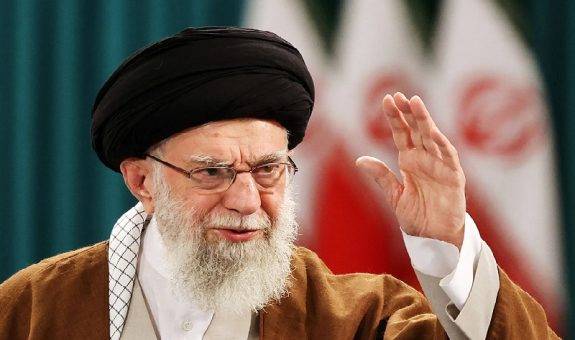
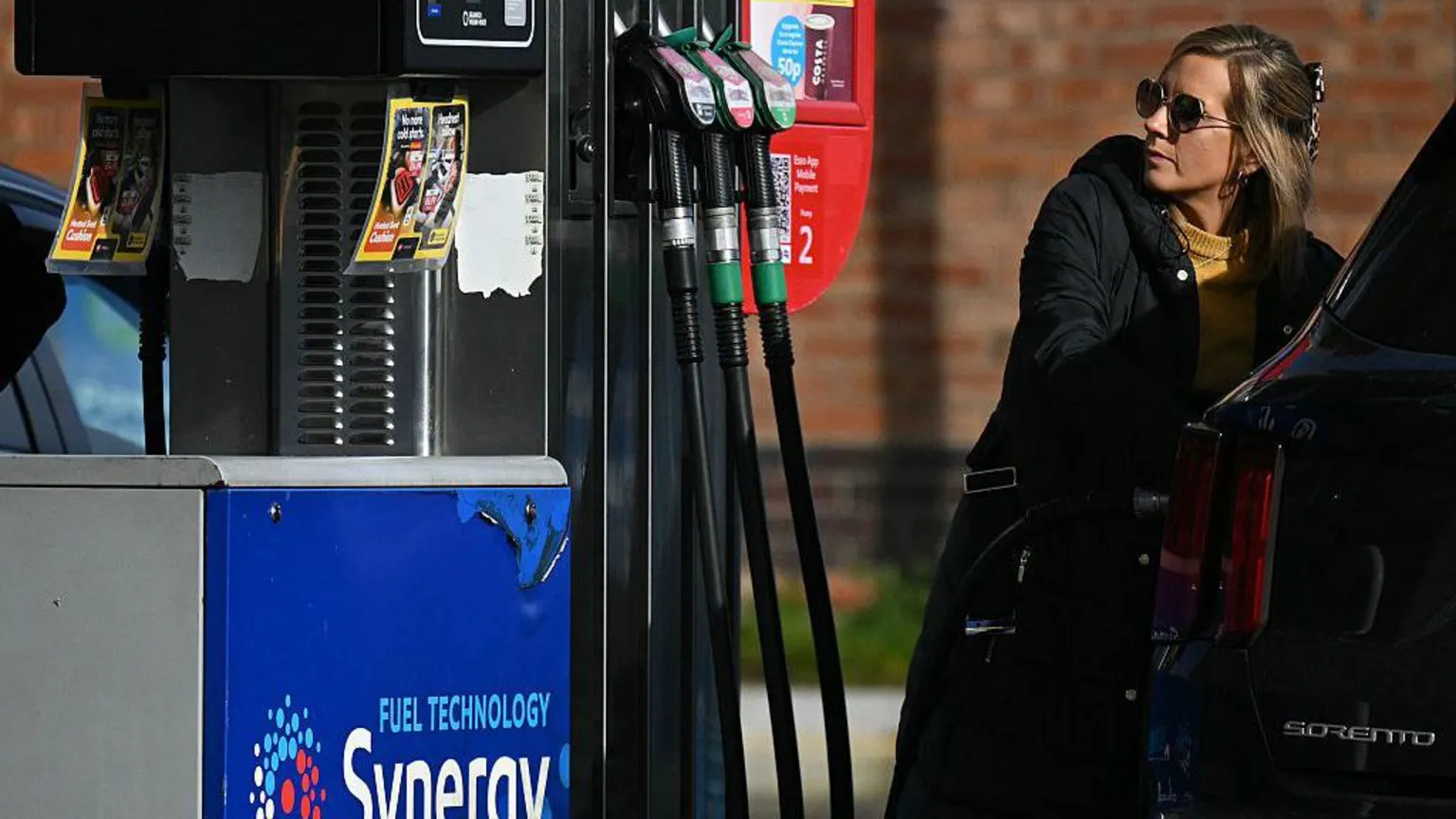
What exactly am I driving at? I am here referencing the American/Israeli war against Iran. This war began on February 28 and almost immediately, Nigeria was negatively impacted. Fuel pump prices jumped almost simultaneously as if Nigeria is directly involved in the war. No sooner had those countries sneezed than we caught cold.
This would not have been so in a country that has been taught and learnt enough lessons on the need to save for the rainy day. Nigeria behaves like the “Up National” people who live by the day. That is why when there is need for them to join any popular action to get certain things done in the country, they cannot survive more than one day. The next day they are on the road in defiance of the action because they live all their lives by the day.
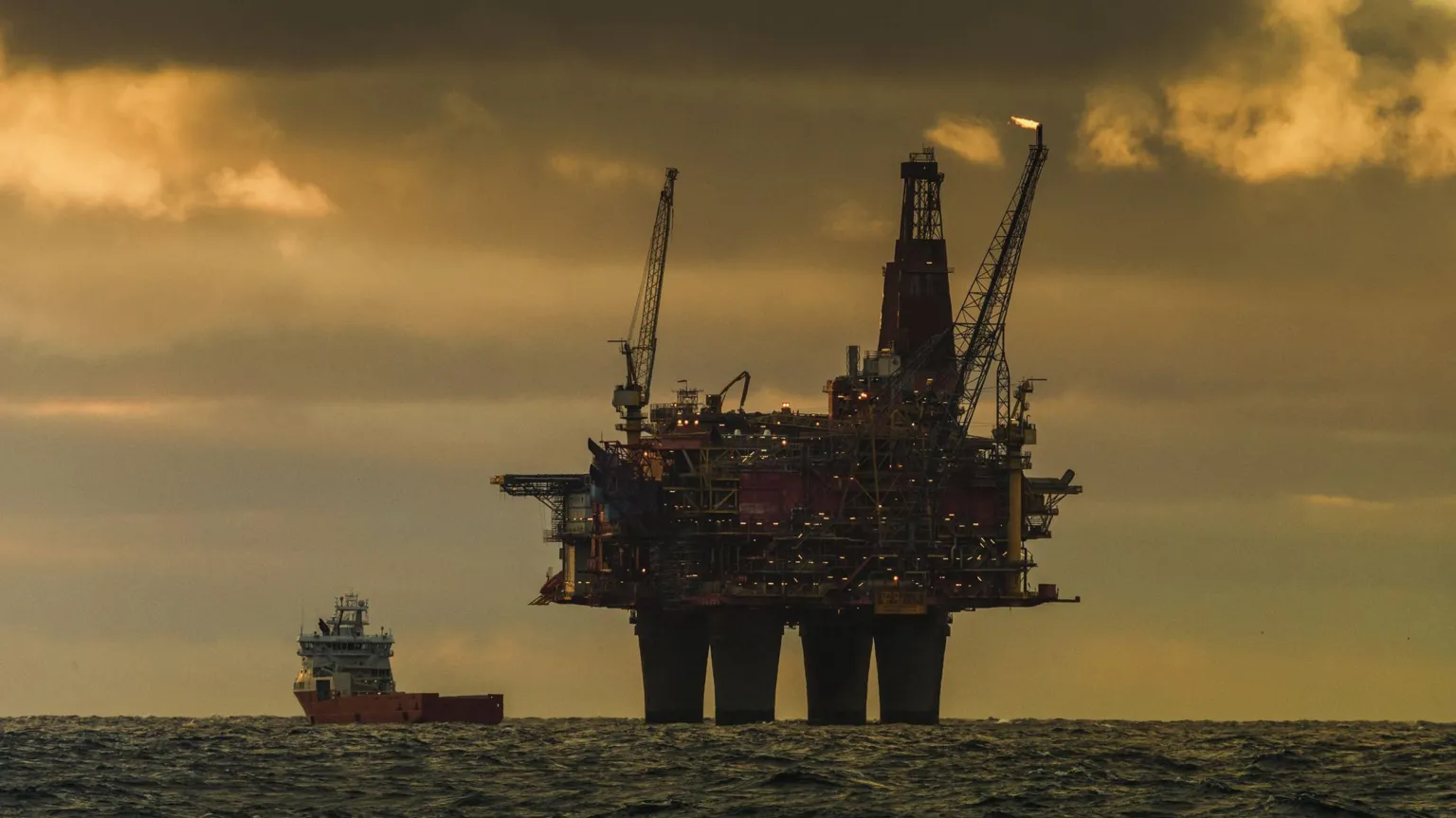
It is clear that when the kind of war that both the United States and Israel are waging against Iran occurs, it would throw spanners in crude supplies because oil is an international commodity and its prices are bound to dance to the tunes such as are dictated by the ongoing war.
Crude prices will rise in such situations. This should be a thing of joy to Nigeria as a major oil producer. Unfortunately, it has hardly been so. Rising crude prices have always been a source of anger and despair for Nigerians. And the reason is simple: we had left our energy sector in the hands of either incompetent or corrupt (or both) people for far too long. That is why we always catch cold whenever crude prices rise.
While the government is smiling to the banks and our foreign reserves rise in response to the rising crude prices, Nigerians groan because that means they have to part with more money for fuel. Nobody, whether in the developed or developing country likes such a thing for the simple reason that rising fuel prices would reverberate in virtually every other sector of the economy, driving up inflation across board.
Things are even worse in the developing countries due to the largely unstructured nature of their economies.
For a country just recovering from rising inflation, another round of general price increases would not augur well for us. It is even understandable in the developed countries where people know that there is a nexus between prices and wars or tension between or among nations, especially in the present context of the US/Israel war against Iran. A more understanding of the political-economy is all that people in the developed countries need to accept what is happening (even if they cannot gladly embrace it because it is hitting their pockets hard) unlike in our kind of country where the citizens are not that sophisticated.
Explain it till thy kingdom come, Nigerians would not listen. They cannot understand. They will keep asking the question about ‘’what concerns ‘agbero’ with overload’’? What concerns Nigeria with America/Israel’s war
with Iran? Why should that lead to price spike in the country? That Nigeria is a major crude producer would only further problematise the explanation.
And, really, you cannot blame them. If only the country’s refineries are functional, the problem would have been less serious. Yes, some quantities of our crude had been sold upfront, still, the effect of the ongoing war would not have been this serious if those who managed our energy sector had been more patriotic, selfless, discerning and professional.
Thank God we even have Dangote Refinery now. At least its presence would give us some respite, forget about cries of monopolistic tendencies. We would have been worse off if we were still to be importing the bulk of the fuel we consume in the country.
Give it to the American president, Donald Trump, the man knew what he wanted long before attacking Iran. As far as he is concerned, whatever happens to crude prices is a child’s play compared with what the world stands to lose leaving Iran to possess nuclear power. “The United States is the largest oil producer in the world… so when oil prices go up, we make a lot of money. But, of far greater interest and importance to me, as president, is stopping an evil empire, Iran, from having nuclear weapons, and destroying the Middle East and, indeed, the world. I won’t ever let that happen! Thank you for your attention to this matter,” Trump said on Truth Social, his personal platform since he was barred from several popular social media platforms years back.
The question of whether one agrees with Trump or not does not arise because he does not need any validation before carrying out his plans. At any rate, that is not even the kernel of this piece.
This piece is essentially about how Nigeria will weather the storm for as long as the war lasts. Or, better still, if that is too late now, how we can avoid a similar fate should there be another future shock in the international oil market.
This would seem the Federal Government’s main concern too, given one or two actions it has taken so far to cushion the effect of the fuel pump price on Nigerians. Like suspending issuance of fuel import licence and ordering the release of 100,000 Compressed Natural Gas (CNG) kits in three weeks.
Yet, Nigeria is not alone in this matter. The difference is in the way each country prepared for the rainy day or provides answer to the question posed by the crisis. A country like Japan that is equally affected by the crisis said it would fall back upon its strategic reserves to ease pressure on the prices of gasoline and other energy in the country.
Japan has one of the world’s largest strategic crude oil reserves, with approximately 470 million barrels that can cover about 254 days of demand.
“Without waiting for a formal decision on coordinated international stock releases with the IEA, Japan has decided to take the lead in easing supply and demand in the international energy market by releasing strategic reserves as early as the 16th of this month,” Prime Minister Sanae Takaichi told reporters Wednesday.
I want to believe this is what some other countries will also do. So, Nigerians who wonder why such a shock from the war would have immediate impact on us as a people are not entirely wrong. We need a strategic reserve that we can always fall back on in situations like this. Far back as April, last year, Nigeria was planning to create a strategic crude reserve (according to an article on the SweetCrudeReports website and another article on Reuters), to protect against global market volatility.
It is bad news that whilst Nigeria possesses massive, proven crude oil reserves (about 37.5 billion barrels); we lack the infrastructure for long-term storage.
So, just what won’t Nigeria lack infrastructure for? Till tomorrow, much of our farm produce end up on dumpsites. We don’t have silos to preserve them just as we don’t even have the capacity to add value to them. So, what is wrong with us as a people?
Some people will say we are cursed. I won’t agree with that. The problem is that we hardly hold people to account for their stewardship. All manner of people just come into public office and mess up our lives and the most severe punishment they get at the end of the day is a soft landing whereby they go and enjoy their loot, pending another opportunity for them to be appointed again.
Just imagine the stupendous salaries and other emoluments that we give those managing our oil giant. Is what we have had from them so far the best they could have given?
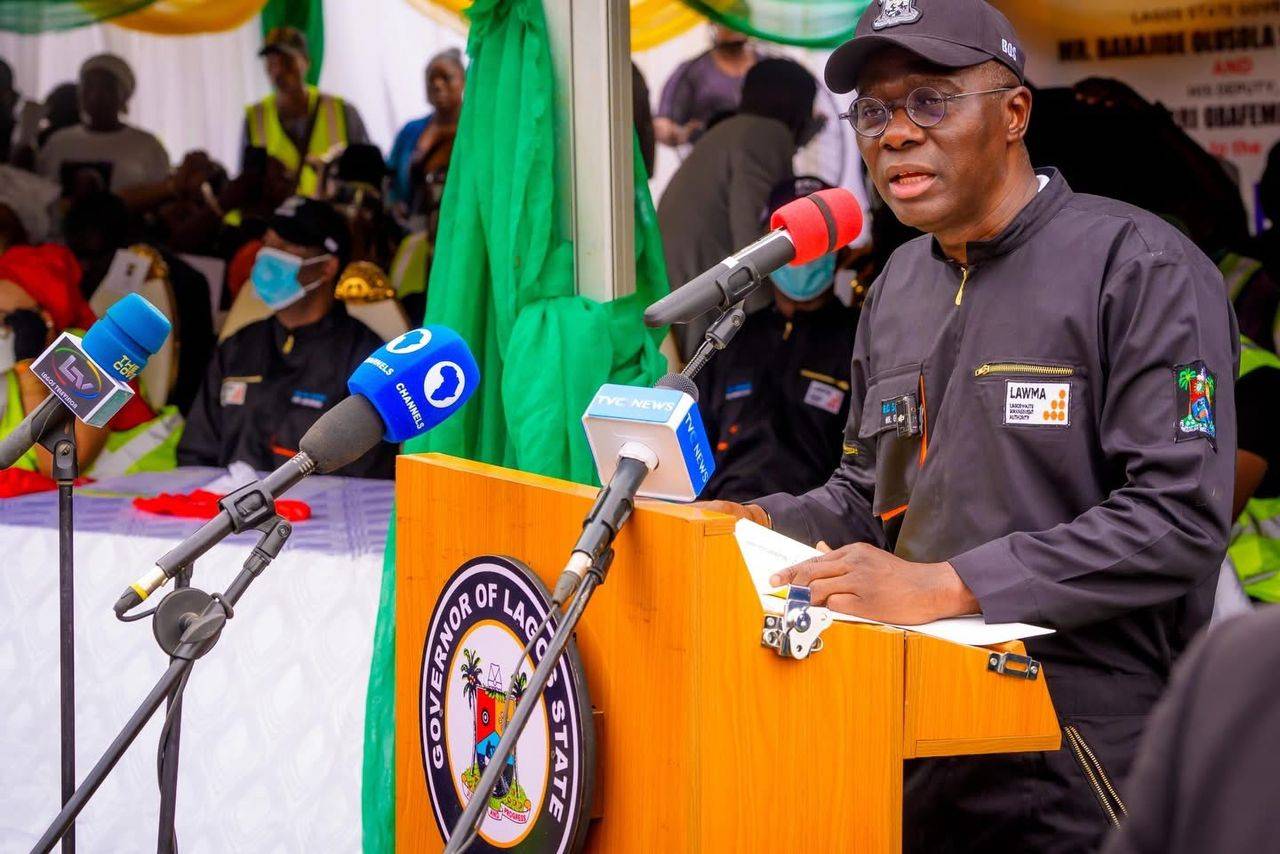
The incumbent Group Chief Executive Officer (GCEO) of the Nigerian National Petroleum Company Limited (NNPC Ltd), Mr Bayo Ojulari, the ball is now in your court. I know it is too early to blame you if Nigeria does not have strategic crude reserve because you were only appointed about a year ago, specifically on April 2, 2025.
Asking you to gift us one today may not be an easy task, especially given unconfirmed reports that the Buhari administration had probably sold about $21 billion crude upfront which the country may have to be nursing for about six years.
Yet, you and the present managers of the NNPCL must think outside of the box to see how this can be achieved. We are too big to be living perpetually from hand to mouth.
And on the part of the government, it should have other plans beyond the rollout of 100,000 CNG kits, should fuel price continue the upward surge. One, the number is so few that it is doubtful if it would make much impact on transportation costs in the country. Second, the kits are themselves expensive. And even when subsidised, there were some reported sharp practices by some beneficiaries.
Yet, the present fuel price hike is beyond explanations of demand and supply. As I said before, our people would regard that as Greekish.
Even myself, on the few occasions that I have had to visit the filling stations since the war started, I am always torn between praying for or cursing those who over the decades led us to this sorry pass. This is much more so that we still see them all around in well-starched flowing ‘babariga’ as if they are some of the best things that ever happened to this country.
I can confirm this is the situation with many Nigerians, whether at the fuel stations or at bus stops when conductors bark out the new, inflated transport fares caused by the Middle East crisis.