
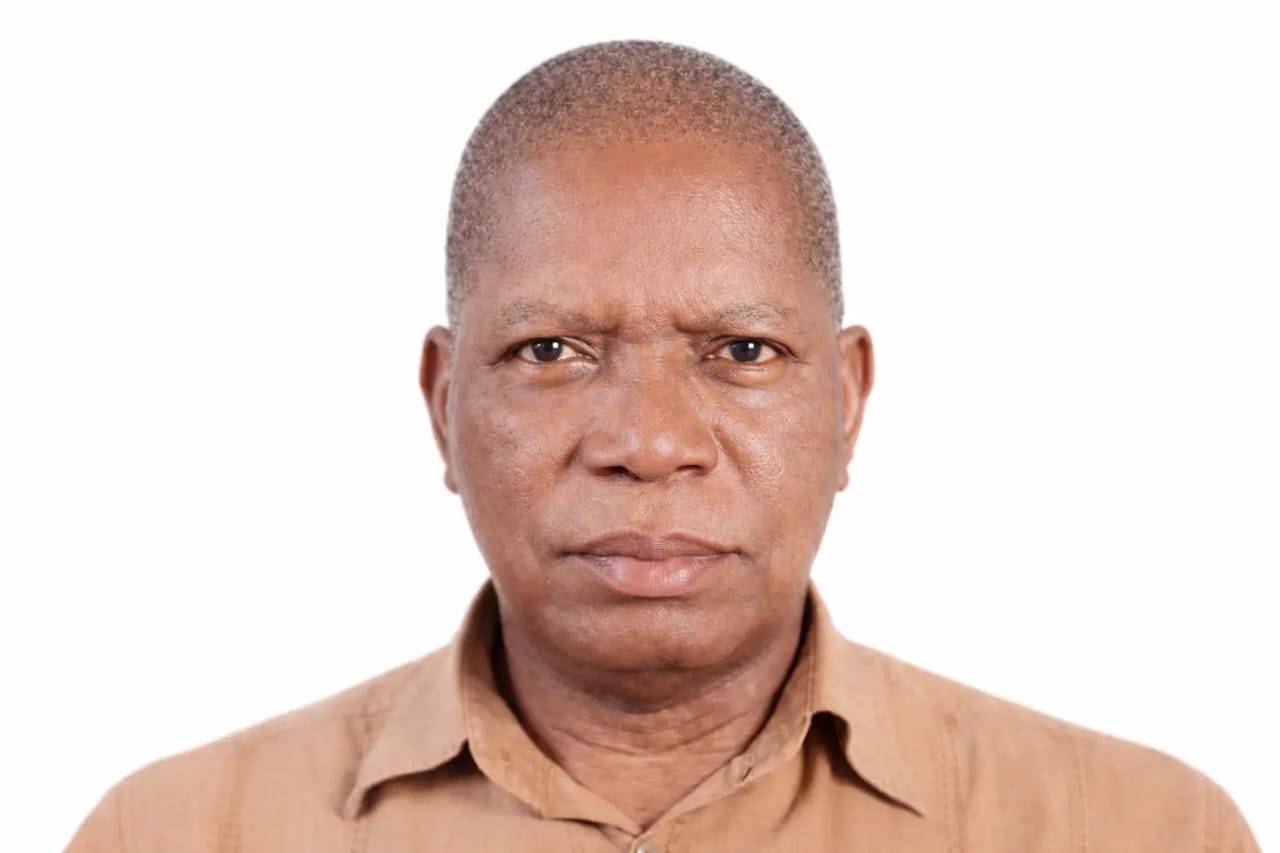
I walked into Lewis Obi’s office at the African Concord, and I saw a man of deceptive simplicity. Babafemi Ojudu had hinted me there was an opening in the magazine for a staff writer position.
Obi, soft-spoken and grave, said he had been reading me, but wanted me to prove my mettle.
None of my scripts with Newswatch had impressed him as much as a hand-written note on a fading post-it paper from Dan Agbese. Agbese, who passed recently, had commended me for a series of stories I did where I filled the magazine from cover to cover, from soft stories to an international piece. Bylines are no guarantees you wrote them yourself. Great editors redeem poor writers.
So, I started a journey with African Concord and with the editor I must give credit for making me bloom uninterrupted.
Newswatch editors shaped me and honed my skill. Obi allowed me blossom. He is one of the underappreciated journalists in our history. He became editor of African Concord and the magazine was nondescript for a while until he did something extraordinary.
He recruited some of the best minds of the trade. Some of them have become the backbone of the industry for a generation. They include Ohi Alegbe, Babafemi Ojudu, Dele Momodu, Kunle Ajibade, Femi Macaulay and Seye Kehinde. We joined Okey Ifionu and Victor Omuabor.
No intruder, Obi had Bayo Onanuga as deputy and he was a sort of operations manager. The magazine became the best in the country in style, courage and content. When Obi became editor in chief, Onanuga was editor and Dapo Olorunyomi joined the crew.
I moved to the newspaper’s political desk. No newspaper or magazine has had such a constellation before or since. Each of the fellows in that stable turned out to become leading lights. It is credit to Obi for his genius in getting all of us under one roof and engineering great intellectual discussions that lasted late into the night.
Under Obi, I started writing essays and cover stories. He handed me a copy of Salman Rushdie’s Satanic Verses mailed overnight by Onanuga from London, and I had four days to read it and do a review and story of the crisis it generated.
I returned on Friday only to be told there was a Hezbollah threat fueled by a staff of the company. A glum Obi said not to publish.
I called him Dean of Nigerian columnists then because from the late 1980’s to mid-1990’s he wrote the best columns in the country. Few will forget his masterpiece, The Caliphate’s army. Oga Lewis, thanks for the memory.