

After the trauma of the P&ID debacle, in which Nigeria narrowly escaped an $11 billion arbitral calamity tainted by fraud, a significant victory is set to redefine the country’s contractual reputation.
In the discreet corridors of international arbitration, sovereign states are rarely given the benefit of the doubt. Contracts are dissected. Ambiguities are amplified. Governments that sleep on their paperwork often wake to staggering liabilities.
Nigeria, this time, was wide awake.
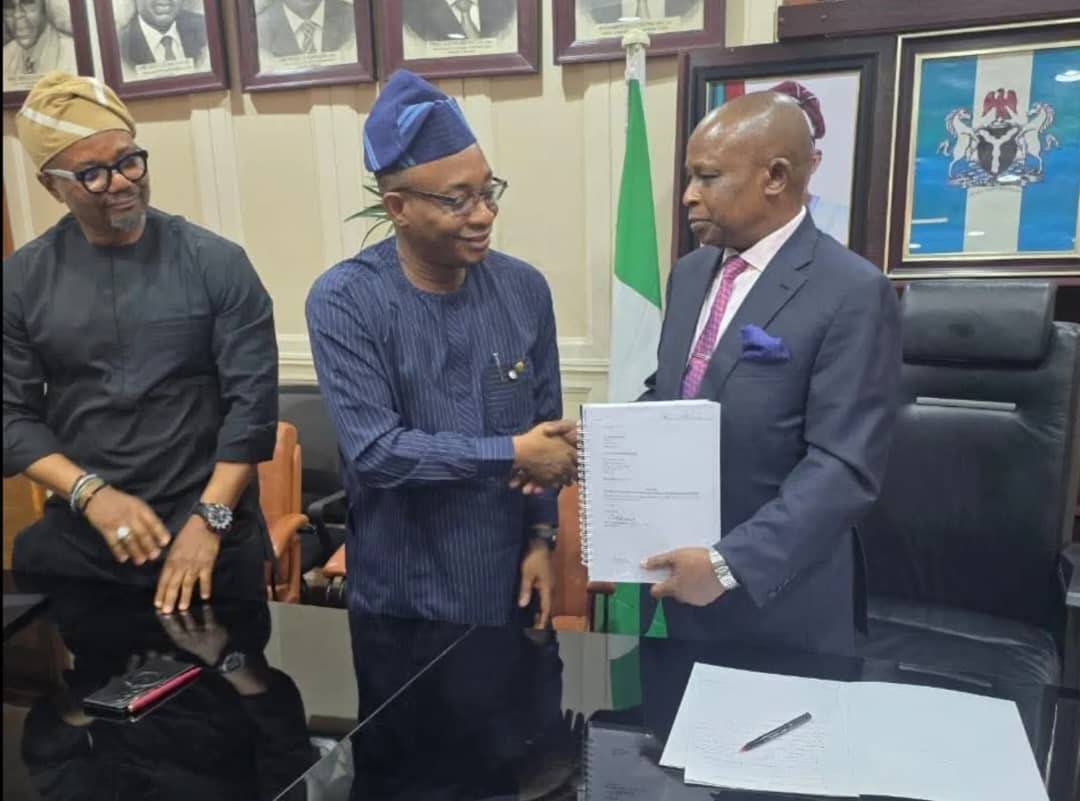
The Bureau of Public Procurement (BPP) secured a decisive victory against European Dynamics UK Ltd, defeating a $6.2 million claim (approximately ₦9.6 billion at the current exchange rate) before the International Centre for Arbitration and Mediation in Abuja. On paper, the figure may look modest beside the existential threat posed by Process & Industrial Developments v. Nigeria. In substance, it marks something deeper. It signals a state learning from its own scars.
The P&ID saga exposed the anatomy of sovereign negligence. A gas processing contract was executed without proper ministerial and Federal Executive Council approvals. Oversight was lax. Capacity checks were inadequate. When arbitration commenced, Nigeria’s early defence was lethargic. An $11 billion award loomed, threatening a significant portion of the country’s external reserves before the English courts later found the award tainted by fraud.
That episode was a humiliation. It also appears to have been a lesson.
The dispute with European Dynamics arose from a technology contract designed to strengthen transparency, accountability and efficiency in public procurement, with World Bank support. The contractor claimed entitlement. The Bureau insisted on proof of performance. At the centre of the disagreement was the User Acceptance Test.
This is where leadership mattered.
When Dr. Adebowale Adedokun assumed office as Director General of the BPP, he inherited not a triumphant digital reform but a stalled project and a live arbitration. The easier route would have been a negotiated settlement. A partial payment could have been justified as pragmatism. Few would have noticed.
Instead, the Bureau chose to litigate the technical facts.
It redefined delivery not as ceremonial handover but as performance validation. If the system did not function in accordance with contractual specifications, payment was not due. The Bureau documented omissions, recorded errors, and allowed the evidence to carry the argument before a Sole Arbitrator [Funmi Roberts] in Abuja. The claim by European Dynamics failed.
That outcome disrupts a familiar script. International contractors often assume that African procurement agencies lack the appetite or capacity to contest complex technology disputes. Claims are pressed. Governments blink. Settlements follow. Precedents accumulate.
Here, the state did not blink.
For the BPP, the win is reputational capital. Procurement bodies are frequently viewed as administrative checkpoints rather than strategic guardians of value. This case demonstrates that a contract is reciprocal, not ritualistic. Performance is enforceable.
The contrast with the P&ID case is instructive. In that earlier matter, opacity and weak process created fertile ground for catastrophe. In the European Dynamics dispute, documentation and technical scrutiny formed the backbone of the defence. Where negligence once prevailed, diligence stood firm.
Attorney General Lateef Fagbemi (SAN) has stated that it is no longer business as usual. That assertion carries weight. For years, segments of the international arbitration community regarded Nigeria as vulnerable, a jurisdiction where institutional fragility could be monetised. The P&ID case became the most dramatic expression of that assumption.
This victory complicates the narrative.
It tells contractors that claims will be tested against evidence. It signals that Nigeria can field competent counsel and sustain a fact-driven defence. It reassures observers that arbitration is no longer an automatic fiscal ambush.
For ordinary Nigerians, arbitration proceedings may feel distant. Yet ₦9.6 billion preserved is not abstract. It is money that remains within the treasury rather than exiting to pay for a system deemed not to meet contractual standards. In a country with pressing infrastructure and social needs, that distinction matters.
It also affirms domestic expertise. The legal team led by Basil Udotai and Johnson & Wilner LLP demonstrated that Nigerian practitioners can prosecute specialised technology contracting disputes at the highest level. Confidence in local capacity is not sentimental patriotism. It is a strategic asset.
Placed side by side, P&ID and European Dynamics offer three clear lessons.
First, opacity breeds disaster. Contracts hidden from rigorous oversight invite exploitation.
Second, early strategic discipline shapes outcomes. A lacklustre defence can metastasise into a monumental award. Prompt engagement of specialised expertise can prevent escalation.
Third, institutional courage requires political backing. Agencies must know that choosing to fight, rather than settle for convenience, will be supported.
The $6.2 million figure is, therefore, less about arithmetic than about posture. It reflects a bureaucracy willing to insist on compliance. It reflects a leadership that understands that public funds are not consolation prizes for underperformance. It reflects a Nigeria more comfortable saying no in formal dispute resolution forums.
The P&ID episode showed the cost of carelessness. This arbitration win illustrates the dividends of vigilance.
Reputations are rarely rebuilt through grand gestures. More often, they are restored through disciplined, incremental acts of competence. In defeating this claim, Nigeria has taken one such step. The message to the world is measured but firm. Contracts will be honoured, but only where obligations are met.
■ Sufuyan Ojeifo is a journalist, publisher, and communications consultant.