

Barely weeks after they seemed to have put their animosities behind them, Governor Siminalayi Fubara of Rivers State and his predecessor Nyesom Wike, Minister of the Federal Capital Territory (FCT), have unsheathed their swords again. It didn’t take months in the first instance for the war between the two leaders to break out after the 2023 elections. Since then, they had been at daggers drawn until President Bola Tinubu brokered a peace deal between the warring factions. That deal quickly unravelled even before the ink was dry. Then threats of impeachment followed in quick succession, later a proclamation of emergency that stalled the impeachment, and soon thereafter another tentative peace deal presupposing that the combatants had learnt their lessons. Alas, all along, trench warfare had been unfolding, leading once again to another round of impeachment notice served one way or the other, on the governor last week.
While the war seems to be about political disagreements caused by misdirected loyalties, it is really all about a battle for supremacy between the governor and the FCT minister. Mr Fubara does not appear to know how to sustain a peace deal, in addition to being tactless and insufferable; and Mr Wike seems apathetical to being gracious and patient, in addition to being overbearing. That the war keeps flaring, it is now very obvious, is less a reflection of the contents of the various peace deals and truces reached in the past as it is about the idiosyncrasies of the two politicians unmitigated by time, politics, logic and affiliations. There will perhaps be another round, or even a few more rounds, of making peace, but it is uncertain that any peace penned would last between two men so unalike in their worldviews and so fundamentally opposed politically and behaviourally.
The war had been simmering for months despite strenuous efforts to keep up appearances and paper over the cracks. But the latest battle began when an unreflective All Progressives Congress (APC) national secretary, Ajibola Basiru, speaking at the commissioning of projects in Rivers State three days before Christmas, indirectly endorsed Governor Fubara for a second term in office. Having defected to the APC on December 9, not too long after a majority of Rivers lawmakers headed in the same direction, the governor, it was clear, had indeed begun to nurse a second term. It was probably not the most prudent ambition to exhibit in the circumstances, but it had been rumoured that one of the provisions in the peace deal Mr Fubara entered into related to his abjuration of a second term ambition. This may explain why Mr Wike kept harping on the ‘agreement is agreement’ mantra. But whether true or not, for the deal had never been made public, Mr Basiru, who was in a position to know the dynamic of the Rivers crisis, should have been more circumspect in his utterances.
Last week’s flare up is also speculated to have been partly triggered by Mr Wike’s meddling in the succession battles in a few APC states. Incensed, some APC governors, already aware that the former Rivers governor was resented in President Bola Tinubu’s cabinet due to his rising profile and charismatic politics, threw in their lot with Mr Fubara and let it be known publicly that the governor was being treated contemptuously by a non-APC cabinet member who was becoming too big for his britches. They, therefore, began lending the Rivers governor support for his second term, agreement or no agreement. Mr Wike’s burden is compounded by two militating factors. One is the central role he seems to be playing in the disaffection and distemper coursing through the opposition Peoples Democratic Party (PDP), vitiating their politics and rendering them so weakened by dissension that any hope of revival appears foreclosed before the next round of elections in 2027. He is unloved and roundly hated in the opposition, making them wish his downfall. They revel in the animosities he has awakened in the APC and suggest that the ruling party had it coming, and so should not complain after deploying him as a battering ram against the opposition.
The second factor is more troubling and a little nuanced. His enemies in both the PDP and APC do not pull their punches in suggesting cynically that Mr Wike had rested almost his entire relevance in the Tinubu cabinet on how he swung Rivers State for the APC in the 2023 presidential poll. That race and that victory were of course pivotal to President Tinubu’s election, but some APC leaders now say it is discourteous and impolitic to keep hammering on it as if the entire election was won by that singular state electoral success. The Rivers poll victory was part of a collective, they said, albeit a significant part. Mr Wike’s constant iteration of his role in the Rivers poll success has finally driven many APC leaders up the wall, and they are sick and tired of his preening.
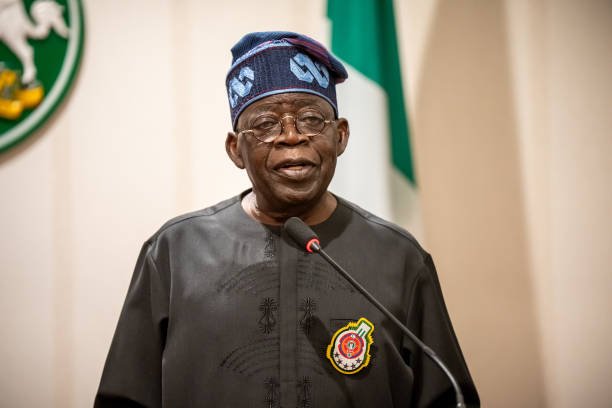
President Tinubu, a far better tactician than Mr Wike or any other political leader in the ruling party or in the opposition party today, has been more forbearing of Mr Wike’s excesses. He recognises that his stake in winning the 2027 presidential poll is far more epochal in significance than Mr Wike retaining his political relevance in Rivers. The other APC leaders, some of them popular governors in their own right, are more than ready to give battle to the former Rivers governor. And they have signaled their preparedness to fight, regardless of the cost in 2027. For the president to throw caution to the wind, however, and join them in the fray, they will have to convince him that sacrificing Mr Wike or even weakening his hold over Rivers would cost the APC little or nothing.
Culled from The Nation