
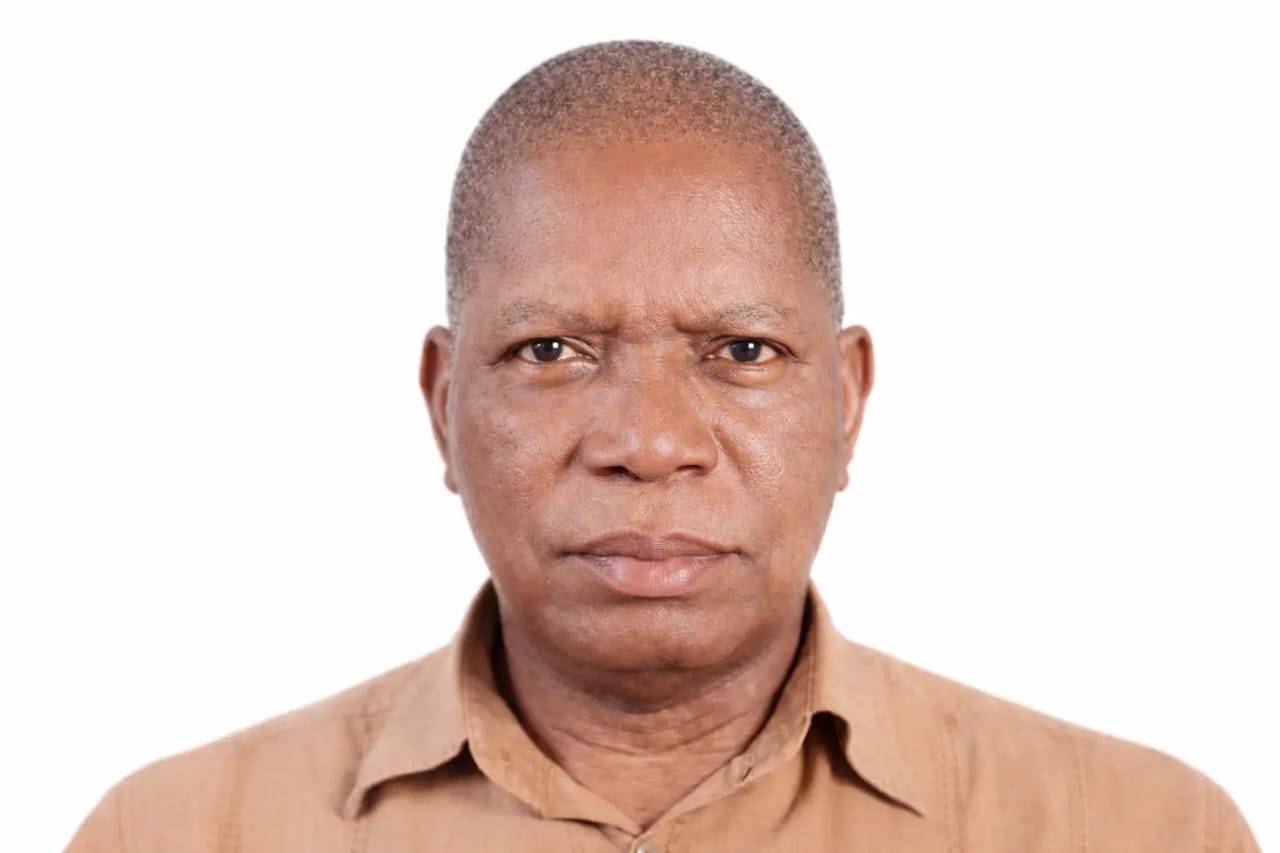
I lost a boss, a teacher, and a quiet shaper of my professional life.
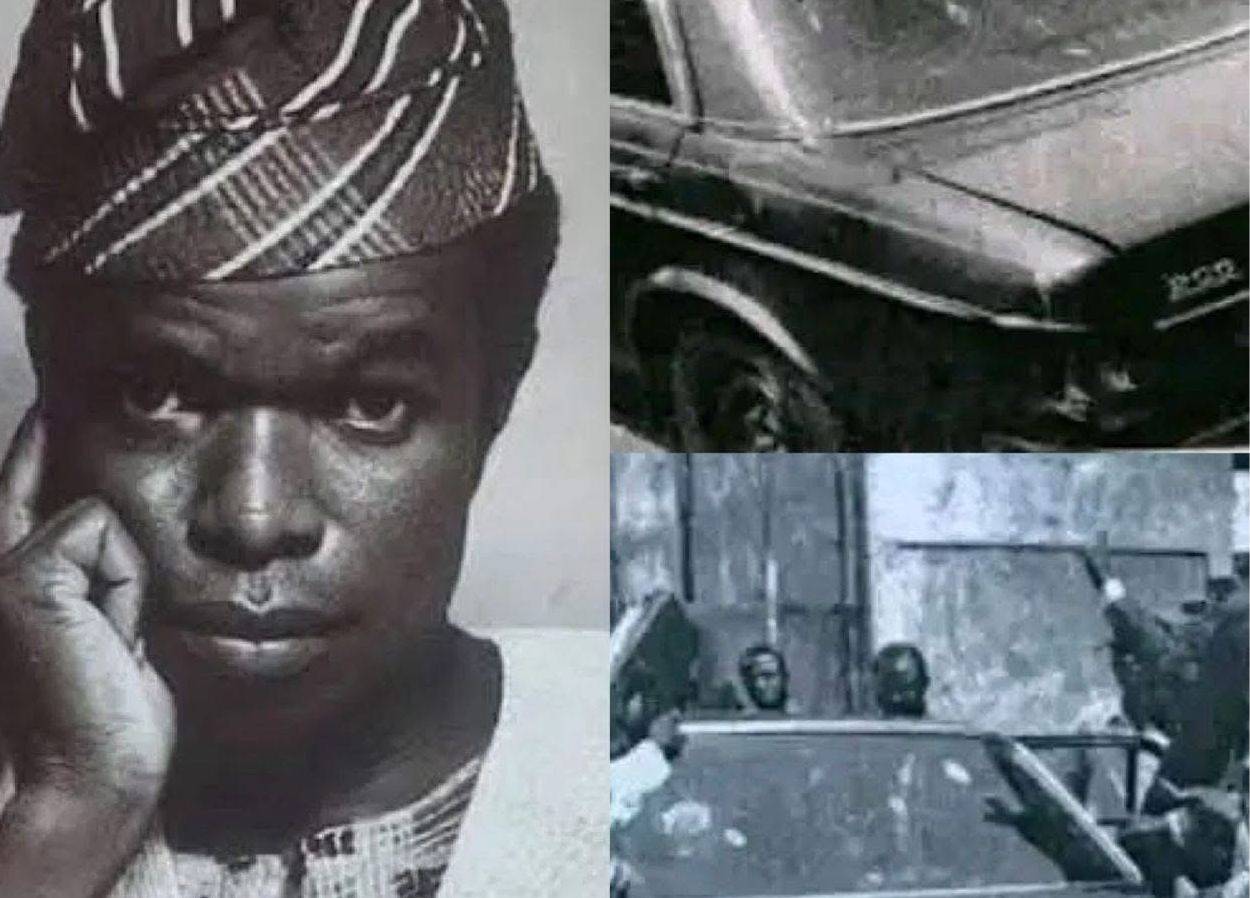
Lewis Obi was my editor when I was an investigative reporter. He was Editor-in-Chief and Managing Director of African Concord, that irreverent and fearless newsweekly which defined an important era in Nigerian journalism. To describe him merely as my boss would be inadequate; he was a formative presence, one of those editors whose influence lingers long after the newsroom lights have gone out.
I received immense and immeasurable training under him. Obi was a master prose stylist—deeply committed to clarity, rhythm, and precision. He believed in the power of the perfect sentence and the exact phrase, and he worked assiduously toward both. Sloppiness never survived his desk. Editing under Lewis Obi was rigorous, sometimes exhausting, but always purposeful: he was not trying to wound egos; he was trying to elevate craft.
This was a time when personal computers were still a distant promise. Obi wrote longhand—writing, crossing out, rewriting, and crossing out again. His manuscripts were dense forests of thought, scarred by relentless revision. Reading them was a challenge in itself. In fact, there was only one man who could consistently make sense of his handwriting: Mr. Adeyemi, a retired Army stenographer who served as our typist. Even then, Obi was never finished. After the text had been typed, he would return to it again, crossing and recrossing sentences, reshaping ideas, refining diction, and polishing language in an almost obsessive pursuit of elegance and accuracy.
Yet for all that intensity, I never once saw him angry. Even when a reporter’s behaviour left him flabbergasted, he expressed it not with raised voices or tantrums, but with a wry smile that conveyed disappointment more effectively than rage ever could. His calm was disarming; his restraint, deeply instructive.
Lewis Obi loved freedom—and trusted it. He allowed his reporters and writers to do their work without fear, regardless of ideological inclination. What mattered to him was not where you stood, but how honestly and rigorously you stood there. If you were hardworking, truthful, intellectually curious, and committed to facts, you became his darling. In his newsroom, merit trumped hierarchy.
He was completely detribalised, yet firmly rooted in the manners, values, and philosophical depth of his Igbo heritage. His recruitment style, personal elan, and worldview were those of a cosmopolitan man—one who saw humanity as a single enterprise. Tribe, religion, or background meant nothing at African Concord; only integrity and professionalism counted.
“Bayo, are you sure this is real? Have you checked all the facts with the reporters? Are there other things we could do to be doubly sure? he would often ask Mr. Bayo Onanuga, his then deputy who managed the newsroom. Once convinced of a story’s facts and veracity, his decision was swift and firm: let it go. Courage, for him, flowed naturally from truth.
At editorial meetings, Obi listened more than he spoke. He allowed every idea its space, never interrupting, never imposing himself too early. Only at the end would he come in—quietly—to sharpen arguments, refine angles, and improve collective thinking. He did not dominate rooms; he elevated them.
Lewis Obi belonged to a generation of editors who saw journalism as a calling, not a career. He shaped writers without spectacle, mentored without theatrics, and enforced standards without cruelty. Many of us still carry his influence—often unconsciously—each time we pause over a sentence, question a fact, or insist on getting a story right.
He is gone, but his discipline, grace, and belief in journalism endure.
May his soul rest in perfect peace