

Growing up in Lagos, I learned early that Lagos runs on hustle, and much of that hustle happens after sunset. Markets stay open late, mechanics fix okadas under makeshift bulbs, families gather on verandas long into the night, and children squeeze in extra reading hours when power allows.
But for years, too many of our streets plunged into darkness too soon, forcing people indoors earlier than they wanted or needed. Traders packed up prematurely, losing sales. Parents worried about children walking home from lessons. Businesses counted the cost of generators just to keep basic lights on.
That reality is shifting now, thanks to Governor Babajide Sanwo-Olu’s sustained push to expand street lighting and kerbside illumination across the state, with a strong move toward reliable solar-powered solutions.
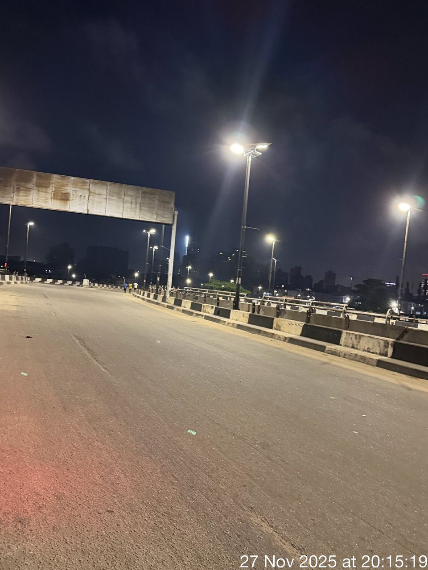
In some Local Government Areas in Lagos, where I still spend much of my time engaging with schools and communities, the changes are tangible and immediate. Streets along Ladipo, Allen Avenue, and parts of Ikorodu Road that were once dark after 7 p.m. now stay brightly lit well past midnight. Small traders selling recharge cards or roasted plantain can serve customers longer without relying solely on personal lanterns.
Mechanics complete repairs that stretch into the evening. Residents report walking to neighbourhood mosques or churches for night prayers with far less anxiety. These are not abstract improvements; they are the kind that directly affect daily routines and family budgets.
The most practical gain comes in security. Hoodlums and petty thieves prefer shadows because darkness gives them time and cover to operate. Well-lit streets remove that advantage. Police vehicles can spot suspicious activity from farther away.
Neighbourhood vigilance groups patrol more effectively when they can clearly see faces and movements. In Lagos, community leaders tell me incidents of phone snatching and bag grabs along poorly lit stretches have dropped noticeably since new lights came on. Drivers avoid potholes better, reducing accidents. Even simple things like women fetching water from communal taps late at night feel safer.
Governor Sanwo-Olu has repeatedly emphasised that lighting is one of the cheapest and fastest ways to boost security, and the evidence on the ground in areas like mine supports that completely.
Then there is the boost to the night economy, which keeps Lagos moving around the clock. In some Markets in Lagos, food vendors who used to close by 8 p.m. now stay open until 10 or 11 because customers linger comfortably. Barbers and tailors extend hours for shift workers coming off late duties.
Phone repairers handle one more job before calling it a day. That extra trading time translates directly into more income for households already stretching every naira.
Multiply that across thousands of small enterprises in mainland communities, and you get real economic circulation at the grassroots level. Parents use those additional earnings for their children, which aligns perfectly with my work at SUBEB, where we see attendance and retention improve when families feel financially steadier.
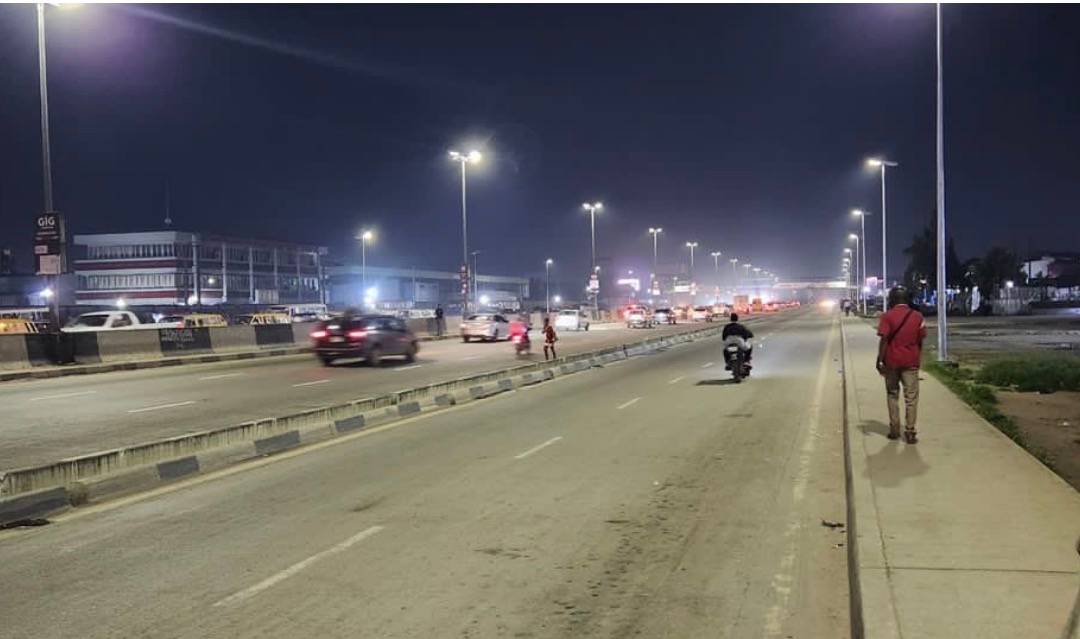
As we get into Detty December mood, the timing of these lighting expansions could not be better. Lagos welcomes back diaspora family members, tourists, and visitors eager to experience our legendary festive season of concerts, beach parties, street carnivals, and late-night gatherings.
Bright kerbside lighting turns everyday roads into welcoming corridors. Major routes like the Third Mainland Bridge approach or Airport Road now guide arrivals into a city that looks vibrant and organised from the moment they touch down. Partygoers moving between venues in Victoria Island, Lekki, or even mainland spots feel safer calling bikes or driving late.
Outdoor events and pop-up markets can run longer without worrying about sudden darkness dimming the mood. The illumination adds practical glamour, making streets perfect for those Instagram moments that draw even more people out to celebrate.
From an education perspective, the benefits reach children directly. In Lagos, pupils attending evening coaching centres or Islamic classes now travel safer routes. Parents hesitate less about allowing extra study time when streets are lit. Schools surrounded by better lighting become venues for community meetings or adult literacy sessions without the old constraints of early sunset. Fewer accidents mean fewer absences. When children feel secure getting home, they arrive calmer and ready to focus the next day.
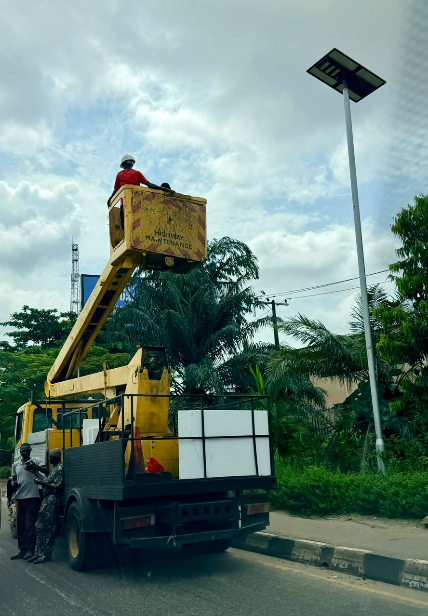
Governor Sanwo-Olu’s approach, focusing on durable solar installations alongside traditional grids, addresses the practicality we need in a city where power supply can fluctuate. Solar lights stay on consistently, cutting reliance on diesel generators and lowering long-term costs. Maintenance teams respond faster now, keeping bulbs functional.
The ongoing rollout, including recent completions on corridors like Gbagada-Oshodi Expressway and Alapere-Ogudu, shows commitment to covering both island and mainland equitably.
Across Lagos, people talk about these lights in straightforward terms: more sales, safer walks, longer evenings, happier festivities. No one claims the job is finished; pockets of darkness remain, and vandalism or delays still frustrate. But the progress is undeniable and deeply practical. It lets Lagosians work harder, play longer, and worry less.
This Detty December, as music fills the air and families reunite under brighter streets, we see clearly what focused infrastructure can achieve. Lagos is not just claiming to be a 24-hour city; it is becoming one, one reliable light at a time.
Owolabi Jamiu Falana (OJ) is a permanent board member at the Lagos State Universal Basic Education Board