
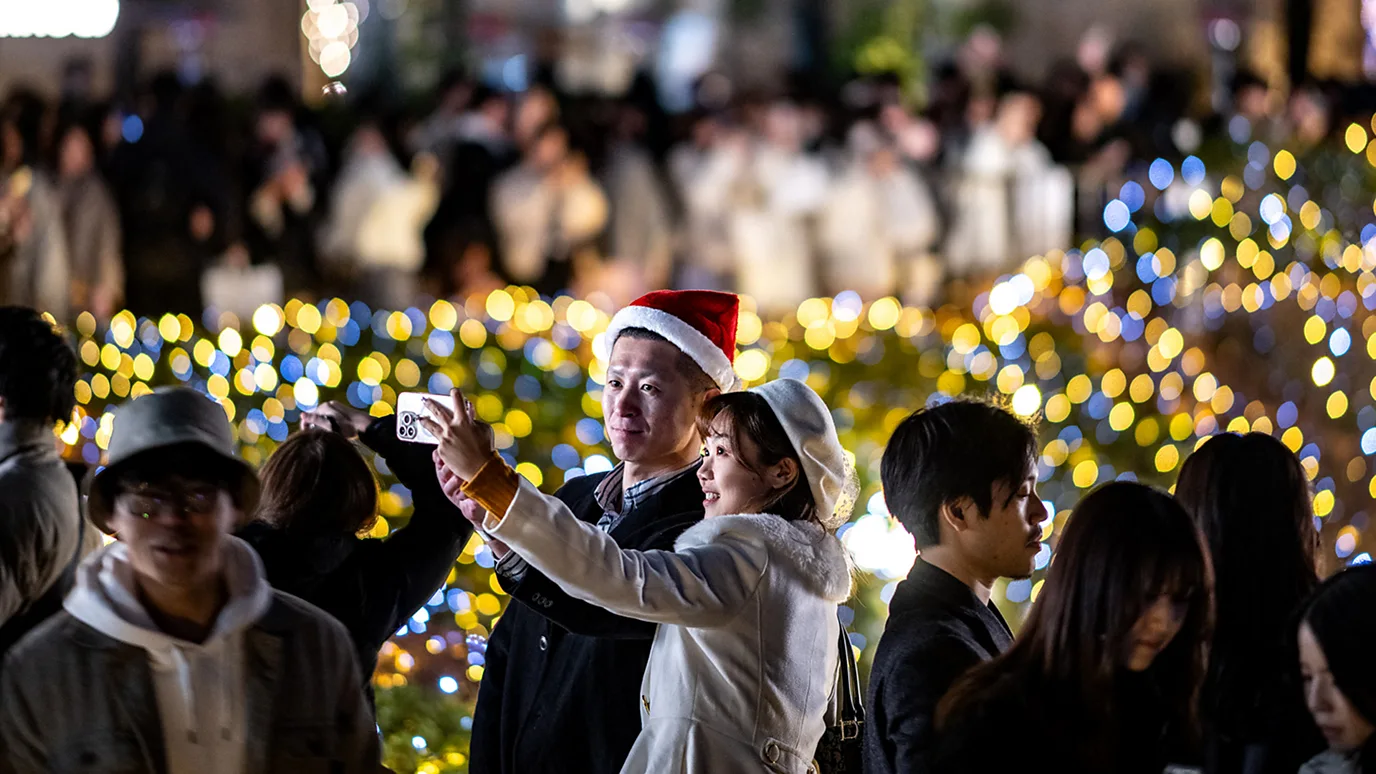
These seven global traditions show a different side to the season; one that’s more communal, more reflective and far less materialistic.
If you’re feeling like the real meaning of Christmas got buried under mountains of wrapping paper, looking at how other countries celebrate can be surprisingly grounding. Traditions vary dramatically from place to place, shaped by landscape, history, values and climate. While many nations do exchange gifts, the rituals around them differ enormously. These long-loved customs show us that Christmas doesn’t need to be transactional; it can be collaborative, creative or community-driven, from singing in candlelit churches to quietly honouring family – or even appreciating spiders.
From remembering departed loved ones to leaning into a multi-generational game, here are seven Christmas traditions you can adopt wherever you are.
1. Iceland: Reading by candlelight after Christmas dinner
In Iceland, publishers release a flurry of new releases in the run-up to Christmas – a seasonal phenomenon known as the jólabókaflóð, or “Christmas book flood”. The tradition dates back to World War Two, when most goods were rationed except paper, making books the most practical Christmas gift. Today, it helps support the niche Icelandic publishing industry; strengthens a love of the Icelandic language, which is at risk of dying out; and delights booklovers nationwide.
On 24 December, families exchange presents, eat Christmas dinner and then spend the evening reading their new books by candlelight, perhaps with a box of chocolates and a drink beside them. It’s a ritual that feels distinctly Icelandic, but one of the easiest to replicate anywhere.
2. Japan: Spoiling your other half
As a largely non-Christian country, Japan celebrates Christmas in its own distinct way. Instead of a family-centred celebration, Christmas Eve plays out more like Valentine’s Day – a romantic evening for couples. The wintery streets glow with Christmas lights, restaurants offer special menus and luxury hotels often book out.
Christmas food is quite different too: Japanese people celebrate by eating kurisumasu keki, a light layered sponge with cream and perfectly cut strawberries. To borrow the spirit of the tradition: carve out a little dedicated time for your partner amid the usual family chaos.
3. Australia: Playing cricket as a household
Christmas Day in Australia centres on sunshine, food and family. It’s also a time to grab a tinny (a can of beer), a bat and some stumps, and indulge in a great Australian family tradition: the Christmas cricket match. Everyone is invited and all ages are welcome.
For one day only, cricket isn’t about winning, it’s about everyone taking part. If your five-year-old nephew is caught at slip on his first try, someone will likely turn a blind eye and let him bat again. Rules vary from household to household, with some more ruthless than others.
For those in colder climates, hope for better weather or break out a board game instead.
4. Finland: Visiting the ancestors
Honouring deceased relatives is central to the Finnish Christmas. On Christmas Eve, families visit cemeteries to light candles for loved ones who have passed away. According to This Is Finland, three-quarters of Finnish households take part, transforming graveyards into serene landscapes of snow and flickering candlelight.
Cemeteries can be crowded at this time, but it’s still seen as a rare moment of peace and reflection during a hectic season. Cemetery visits are often followed by another cherished Finnish tradition: the Christmas Eve family sauna.
5. Ukraine: Celebrating spiders
In Western Ukraine, the most typical Christmas decoration isn’t a bauble or a star but a bejewelled spiderweb. The custom stems from The Legend of the Christmas Spider, an Eastern European folktale in which a spider decorates the Christmas tree of a woman too poor to afford ornaments. She wakes in the morning to find it glittering with silvery webs, and from that day forward, her family is never in need again.
Ukrainians craft delicate webs from paper and wire and wrap them around their tree like tinsel. Finding a real spider or cobweb on a tree is considered to be good luck, and it’s customary to not sweep them away during this period. The easiest way to adopt the tradition: leave the cobwebs undisturbed.
6. Denmark: Making homemade decorations
A klippe klistre day – literally “cutting and sticking” – is an essential Danish ritual. Homes, schools and workplaces across the country hold crafting sessions to make elaborate garlands, braided stars and paper hearts to bring Christmas cheer to classrooms, offices and living rooms.
It’s a chance to hygge together and build a sense of community through creativity, all fuelled by æbleskiver (small Christmas doughnuts), cookies and gløgg, Denmark’s potent mulled wine. After years of practice, Danes seem able to turn the thinnest twist of paper into something quite magical – but even a simple paper garland can being a touch of Scandinavian craftiness to your home.
7. Venezuela: Getting your skates on
Christmas church services in Venezuela are joyful, communal and often lively, accompanied by bells, firecrackers and sometimes fireworks in the run-up to Christmas. But the most distinctive custom is how people often arrive: on roller skates.
The tradition centres on skating to the early-morning Misa de Aguinaldo (Early Morning Mass) held between 16 and 24 December around 05:00 or 06:00. Children often go to bed early so they’re ready for the dawn service, and many adults skate through the night to reach the church together.
It’s a beloved ritual that turns a solemn moment into something light-hearted and communal, with neighbours gliding through quiet streets side-by-side.
If skating isn’t an option, joining a local mass or community event can bring a similar sense of shared celebration.
BBC