
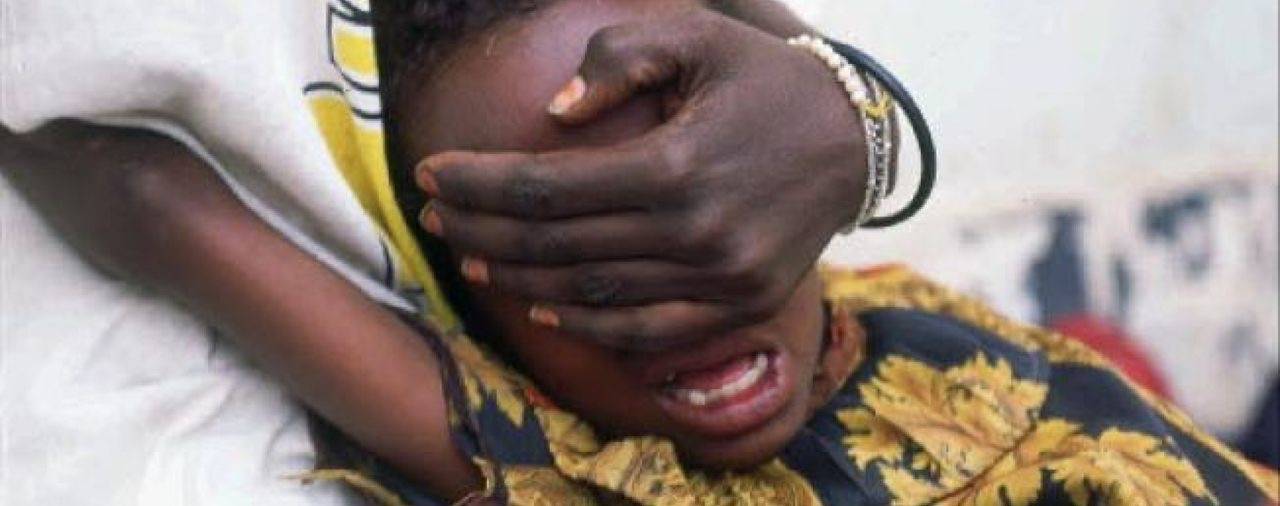

Female Genital Mutilation (FGM) remains one of the most severe yet least discussed violations of the fundamental human rights of women and girls. Despite being globally condemned and legally prohibited in many countries, the barbaric practice continues to persist, hidden behind the veil of culture, tradition, and misplaced morality. According to the World Health Organization, FGM refers to all procedures that have to do with partial or total removal of the external female genitalia or other injury to the female genital organs for non-medical reasons. It has been established that it has no health benefits and inflicts irreversible physical and psychological harm.
As observed by yours truly, Southwest Nigeria provides a compelling case study of how deeply entrenched cultural norms can allow FGM to endure even in relatively urbanised and educated societies. States such as Oyo State, Ogun State, Osun State, Ondo State, and Ekiti State have historically recorded high prevalence rates. While awareness campaigns and legal reforms have led to a gradual decline, the practice remains disturbingly present, particularly in rural and semi-urban communities.
In many Yoruba communities, the practice is traditionally justified as a rite of passage, a means of preserving virginity, or a way to control female sexuality. Some believe it enhances cleanliness, ensures fidelity in marriage, or prevents promiscuity. These beliefs are passed down through generations, often enforced by elderly women, traditional birth attendants, and community gatekeepers who see the practice as a moral obligation.
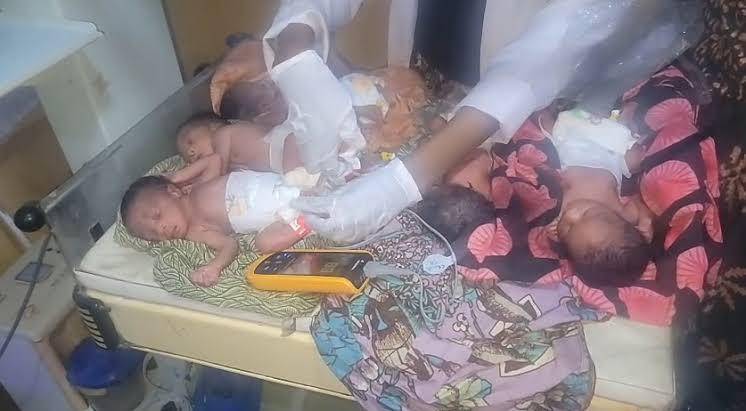
Ironically, FGM is frequently carried out on infants or very young girls who have no capacity to consent, often by people they trust the most, mothers, grandmothers, or caregivers. This makes resistance difficult and silence common. Even educated families sometimes succumb to societal pressure, fearing stigma, rejection, or being labeled iconoclast or reduced marriage prospects for their daughters.
The consequences of FGM are devastating. According to research, its immediate risks include excessive bleeding, severe pain, infections, and shock. Long-term effects range from chronic pelvic infections and complications during childbirth to infertility, sexual dysfunction, and obstetric fistula. Beyond physical harm, survivors often suffer lasting psychological trauma, including anxiety, depression, post-traumatic stress disorder, and reduced self-worth.
According to the UNICEF, Nigeria has one of the highest absolute numbers of women and girls who have undergone FGM globally. This grim statistic underscores the urgency of confronting the practice not as a marginal cultural issue, but as a national public health and human rights emergency.
Cultural loyalty, fear of community backlash, and limited trust in law enforcement agencies discourage whistle-blowing on FGM. In some cases, local authorities themselves are reluctant to intervene, viewing FGM as a “private family matter” rather than a criminal act.
Yours sincerely is of the belief that FGM could be ended in Nigeria especially Southwest but it requires a comprehensive and culturally sensitive approach that goes beyond laws and slogans. The following recommendations are critical for sustainable change:
– Community-Driven Engagement:
Change must begin at the grassroots. Traditional rulers, religious leaders, women leaders, and youth influencers should be actively engaged as advocates against FGM. When respected community figures publicly denounce the practice, social norms begin to shift.
• Education and Awareness:
Sustained public education campaigns, especially in local languages, should clearly explain the health risks, legal consequences, and human rights implications of FGM. Schools should integrate age-appropriate reproductive health and rights education into their curricula to empower young people with knowledge. Support should be given to Non-Governmental Organizations (NGOs) that are dedicated to spreading awareness about the menace.
• Empowerment of Women and Girls:
Economic and social empowerment reduces vulnerability. Girls who stay in school longer are far less likely to undergo FGM. Supporting women with education, skills acquisition, and access to livelihoods strengthens their ability to resist harmful traditions and protect their daughters.
• Strengthening Law Enforcement:
FGM laws must be enforced consistently. This includes training police officers, judicial personnel, and social workers to handle cases sensitively, protect survivors, and prosecute offenders without bias.
• Support Services for Survivors:
Survivors need access to medical care, psychosocial support, and safe reporting channels. Establishing confidential community-based support systems can help break the silence surrounding FGM.
• Data, Monitoring, and Accountability:
Reliable data collection at state and local levels is essential for tracking progress and identifying high-risk communities. Governments and civil society must be held accountable for measurable reductions in FGM prevalence.
Female Genital Mutilation is not culture, it is violence disguised as tradition. Its persistence in Southwest Nigeria is a reminder that harmful practices can survive even in the face of modernity if they are not deliberately challenged.
Eradicating FGM requires courage, consistency, and collective responsibility. Until every girl is safe from the blade, the promise of gender equality, human dignity, and true development will remain unfulfilled.
Olanrewaju Segun, a public commentator, writes from Oyo State, Nigeria.