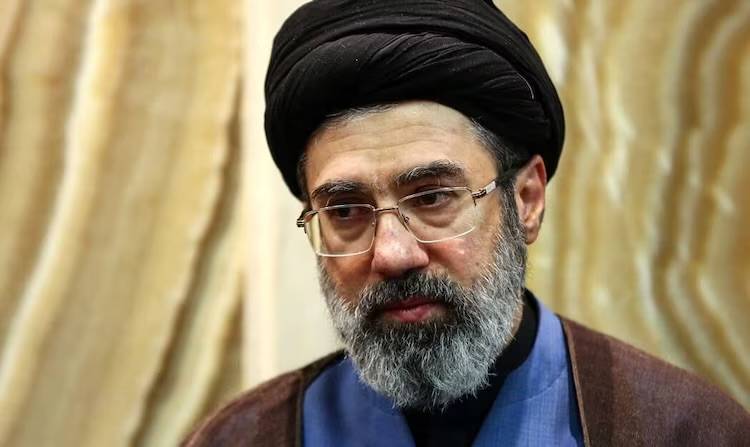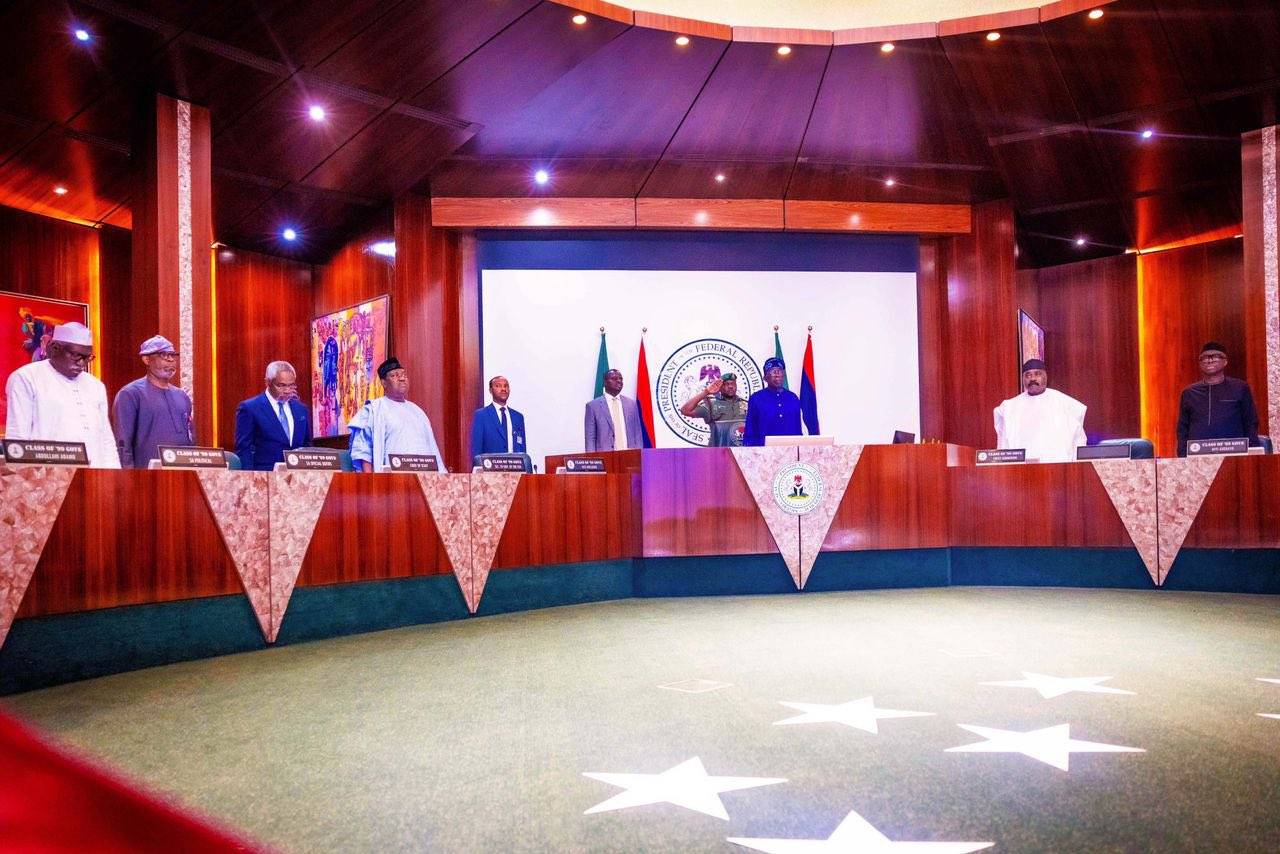



A former Minister of Labour who served in the cabinet of the immediate past President Muhammadu Buhari, Dr Chris Nwabueze Ngige, has been taken into custody by the Economic Financial Crimes Commission (EFCC).
His arrest is coming on the heels of ongoing detention of his former colleague; a former Minister of Justice and Attorney General in the Buhari administration, Abubakar Malami (SAN), by the anti-graft agency.
Malami has spent three nights in the custody of the EFCC answering questions bordering on alleged wrongdoings while in office.
Another Buhari minister, in charge of Petroleum, declared wanted by the EFCC, Timipre Sylva, has yet to turn himself in.
Confirming Ngige’s whereabouts, his media aide, Fred Chukwuelobe, said in a terse statement last night: “I have been receiving calls in the past hour from friends and journalists seeking the veracity of the news making the rounds that His Excellency, Dr. Chris Ngige, former Governor of Anambra State and immediate past Minister of Labour and Employment, ‘has been kidnapped.’”
Chukwulobe said that there was no abduction, but confirmed that the former minister was with anti-graft operatives.
“Ngige is with the EFCC. He was not ‘abducted’ or ‘kidnapped’,” he insisted.
Chukwuelobe added that more information about Ngige’s situation would be made available in due course.
Meanwhile, a gloomy atmosphere has pervaded Ngige’s country home in Alor, Idemili South Local Government Area, according to a report by 247Ureports.
“Villagers spoke in hush tones over the report,” the online medium said.
Ngige’s arrest and detention by the EFCC come amid long-standing corruption allegations tied to his political career.
The EFCC once produced a report accusing him of diverting or laundering more than N46 billion earmarked for Anambra’s local governments during his time as governor.
In his later role overseeing the Nigeria Social Insurance Trust Fund (NSITF) as Labour Minister, he was questioned by the Independent Corrupt Practices and Other Related Offences Commission (ICPC), with EFCC support, for alleged contract irregularities and claims of ‘job-racketeering.’