
By Tatalo Alamu
Low-hanging fruits on the road to recovery
Like an impertinent but confident and supremely self-assured youngster, Nigeria is wading through its latest round of crisis with sangfroid and considerable panache. Like most colonial African nations put together under controversial circumstances, crisis seems to have become second nature to the troubled West African giant. In a curious turn of events, it is those who express fear about the fortunes of the country who appear to be overwhelmed by fear rather than the country itself.
However that may be, there are certain salient features of the latest round of crisis which speak to the magnitude and volatility of the current circumstances. While it is true that every crisis contains the seed of its own resolution, some of the issues have to be highlighted particularly where the low-hanging fruits are concerned so that they can be pressed into immediate and remedial national service.
First, Nigeria is resoundingly broke. All the sins and errors of omission of previous administrations appear to have converged on the current administration. Second is the rise of food insecurity in a country equipped by nature and climatology to be a global food basket if all other variables fall in place.
Third is the ascendancy of enemy nationals who for reasons best known to them are bent on bringing the country’s economy to heel through foreign exchange racketeering, smuggling, financial espionage, illegal mining and massive production of counterfeited goods. When you add this to the sharp upsurge in kidnapping, abductions, criminal extortion, amphibious piracy and trans-border heists, it is a perfect explosive cocktail.
Read Also; PBAT and unrelenting opposition (2)
Finally, there is the collapse of civility and with it the prospects of civilized discourse in the country. In its place there is bovine rudeness everywhere. You cannot hope to contribute to national discussion on any issue if you do not have a strong constitution and a stout capacity to withstand insults from social misfits and ethnic neurotics who can only view national issues from a psychologically damaged and prejudiced point of view.
To be sure, quite a lot of these intemperate outbursts are miffed ripostes to our errant traditional rulers and misguided clerics who have done further damage to the national fabric by their insensitive observations on pressing national issues. However, the attempt to shut down frank and open dialogue which is the oxygen of free association in a modern society through sheer intimidation is a negation of paraded credentials as champions of true democracy.
While this hysterical dismantling of authority and the demystification of traditional hierarchies may appear exhilarating and even potentially liberating to certain sections of the country, it sets off the alarm signals of imminent chaos and anarchy in other sections. This collision of worldviews may presage violent confrontations of an ethnic and religious hue particularly in situations of extreme economic adversity.
Given the dire economic circumstances in which the nation has found itself and the apparent inability of the political elite to agree on the best way to handle the political dystopia threatening to engulf the nation, it is beginning to look as if the nation is being pushed back to its 1966 default setting.
It is true that when confronted by a crisis of this magnitude and complexity, one must first seek the political kingdom. But there are times when the economic kingdom is equally important, particularly where economic delinquency threatens to snuff life out of a nation.
In all this, it is a typical Nigerian irony that the lowest hanging fruits are also the ones that constitute the most immediate threat to the nation. That is the issue of food shortage. This is the apex of the hierarchy of human destitution. Nigeria is so blessed with arable land in all their varieties and variables that it amounts to a pedological scandal that the country cannot feed its citizens.
As we speak, at least eighty percent of the remaining arable land in the nation remains uncultivated and uncultured, that is after allowance has been made for ongoing armed conflicts and threats to sedentary farmers. This is simply unimaginable in a world in which land-strapped nations cultivate vegetables on their roofs and walls.
The federal authorities should begin a massive back-to-the-land programme with commensurate incentives to youths now roaming our cities to own their own allotments and get to work. It takes a while for an agrarian traditional society to become a fully mechanized community. The government must launch a discreet inquiry into why Obasanjo’s Operation Feed the Nation failed so catastrophically.
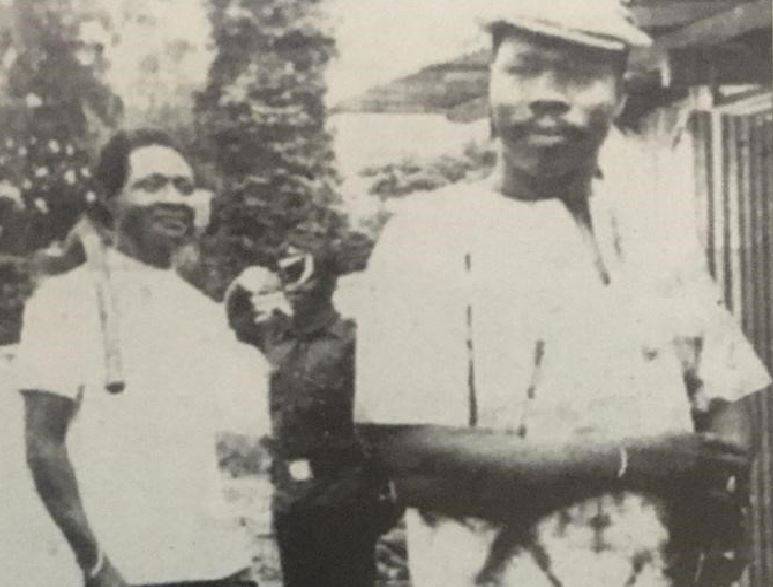
If it cannot replicate the whole scheme, government can borrow tropes from it. The image of the wily Owu general in his farmers’ apparel with a hoe in hand remains one of the most fetching symbols of patriotic identification with the land in Nigeria’s postcolonial history. The government must also partner with our various agricultural institutions to come up with higher yields mutants of existing crops.
It is not by accident that the Chinese scientist who developed the variant of high-yield rice grain that saved his nation from mass starvation became a highly decorated national hero. When he died a few years’ back, he was accorded a hero’s funeral. It is now a matter of national emergency that Nigeria must first confront the demon of mass hunger before it can proceed on the political front.
Culled from The Nation