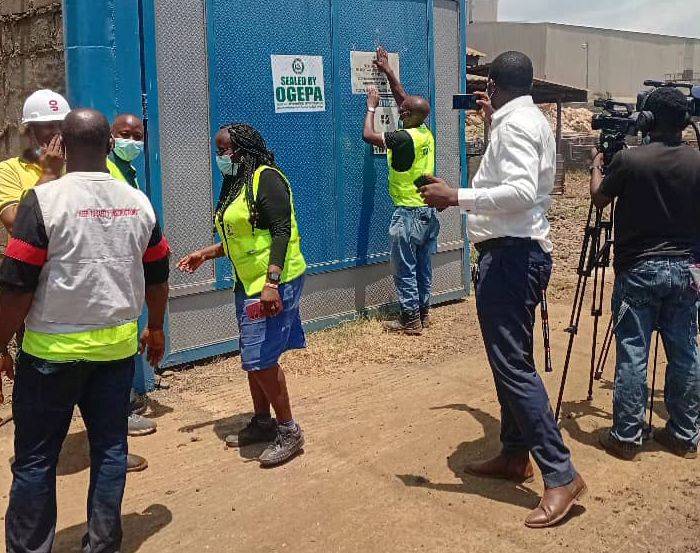

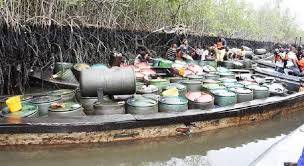
Security agencies in the country might have said the obvious when they disclosed that some top government officials, federal Ministries, Department and Agencies (MDAs), international oil companies (IOCs) and host communities are involved in oil theft menace in the country.
The submission was that of the Chief of Army Staff (COAS), Lt.-Gen. Taoreed Lagbaja; Inspector-General of Police (IGP), Kayode Egbetokun and others from Nigerian Air Force and the Navy, when they appeared on Thursday before the House of Representatives Ad Hoc Committee investigating crude oil theft and loss of revenue accrued from oil and gas.
House Speaker Tajudeen Abbas lamented that the country lost $46 billion (about N16.25 trillion) to oil theft in 11 years.
The security chiefs said the sabotaging of the economy thrives because of the calibre of people involved in it.
An official from the Army Department of Operations, Brig.-Gen. Gabriel Esho, who stood in for Lt.-Gen. Lagbaja, said the actors in the oil theft ring get support from agencies of the Federal Government.
He identified international in the identified industry as the main perpetrators, alleging that some of them lift crude oil beyond their approved licence.
Besides, he said there was always the element of sabotage on the part of employees of oil companies in addition to the issue around the overlapping effect of militancy.
Gen. Esho said because of the huge market demand for oil, there is a huge community involvement in illegal bunkering and refineries. He listed inadequate or obsolete infrastructure, functional healthcare and electricity supply as other factors.
He canvassed local involvement and investment in technology, prosecution of oil thieves, legalising local refineries and remodeling of existing pipelines as remedies.
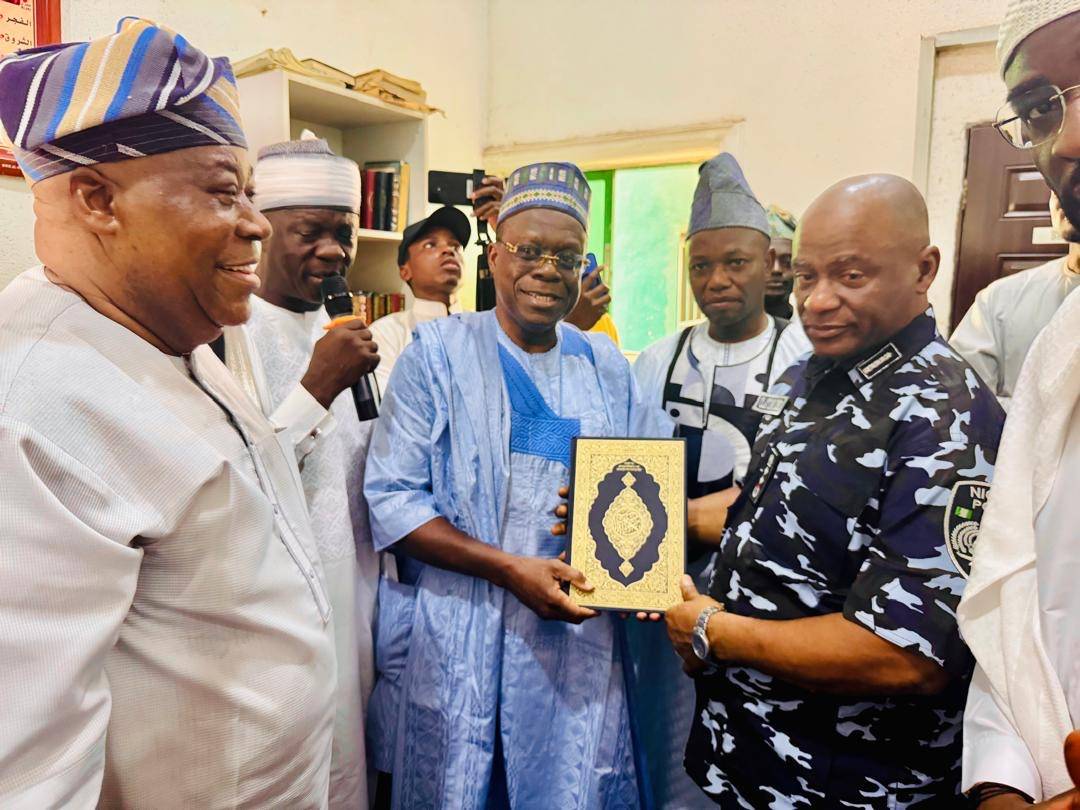
The IG, represented by Deputy Inspector-General (DIG) in Charge of Force Criminal Investigation Department, Alabi Abiodun, also corroborated the involvement of certain individuals in the deal.
According to him, the police have been able to put in place a task force to work with other security agencies in arresting those attacking oil facilities.
He said the attachment of people to their land is also promoting oil theft, adding that such people often assumed that they must have a say or benefit from their land.
The IG said such attachment often forced them to embark on some illegal activities whenever they felt neglected, adding that inaccessibility to some locations compound the problem.
Insisting that perpetrators of the dastard act should be brought to book, the police boss said lack of exhibits often make it difficult to prosecute those arrested.
Rather than hold back such exhibits, those arrested should be handed over to the police along with the exhibit to make peosecution easier.
He called for a holistic implementation of the Petroleum Industry Act (PIA), which he said, would give the community more sense of belonging.
The Chief of Operation of the Nigeria Air Force (NAF), Air Vice Marshall Hassan Abubakar, noted the negate impact of oil theft on the economy of the country.
Expressing concern over the level of theft in the oil sector, the Vice Marshal said: “Are we sure that the money gotten from oil theft is not what is used to distabilise this country.”
He said the Air Force has been carrying out surveillance, adding that the “challenge is that our access is limited. So what we decided is to have a dedicated access to only the Niger Delta and we need the help of the national assembly.
“Over 90 per cent of oil theft takes place in the night, some of the courses I have attended only solve half of the problem. Only a kinetic approach can go far to solve the problem.
The Chief of Training and Operation of the Nigerian Navy, Rear Admiral Zacharia Muhammad, canvassed inter-agency collaboration as a way out.
He said: “We must facilitate law and policies to ensure collaboration and facilitate the return of the Nigerian Navy to monitor key production facilities.”
“We are not represented in what is loaded on the ground and this is disturbing. We see pilfering of oil wells and pipeline that can easily be breached in the Niger Delta.”
The Executive Secretary of the Nigeria Extractive Industries Transparency Initiative (NEITI), Dr. Orji Ogbonnaya Orji, also said that some high profile individuals, host communities and government officials have questions to answer on their role.