
By Femi Macaulay
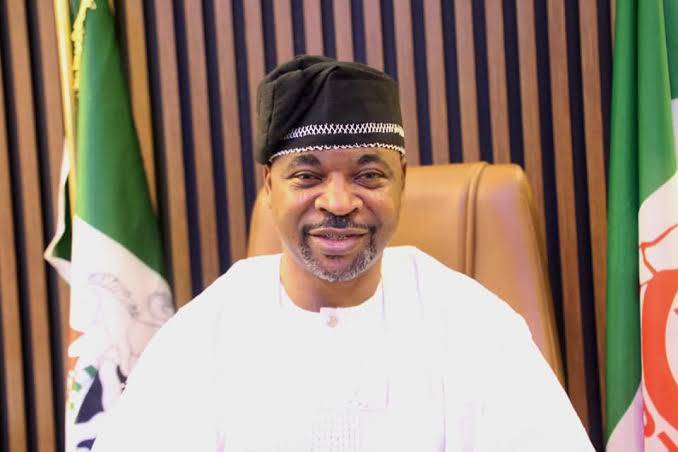
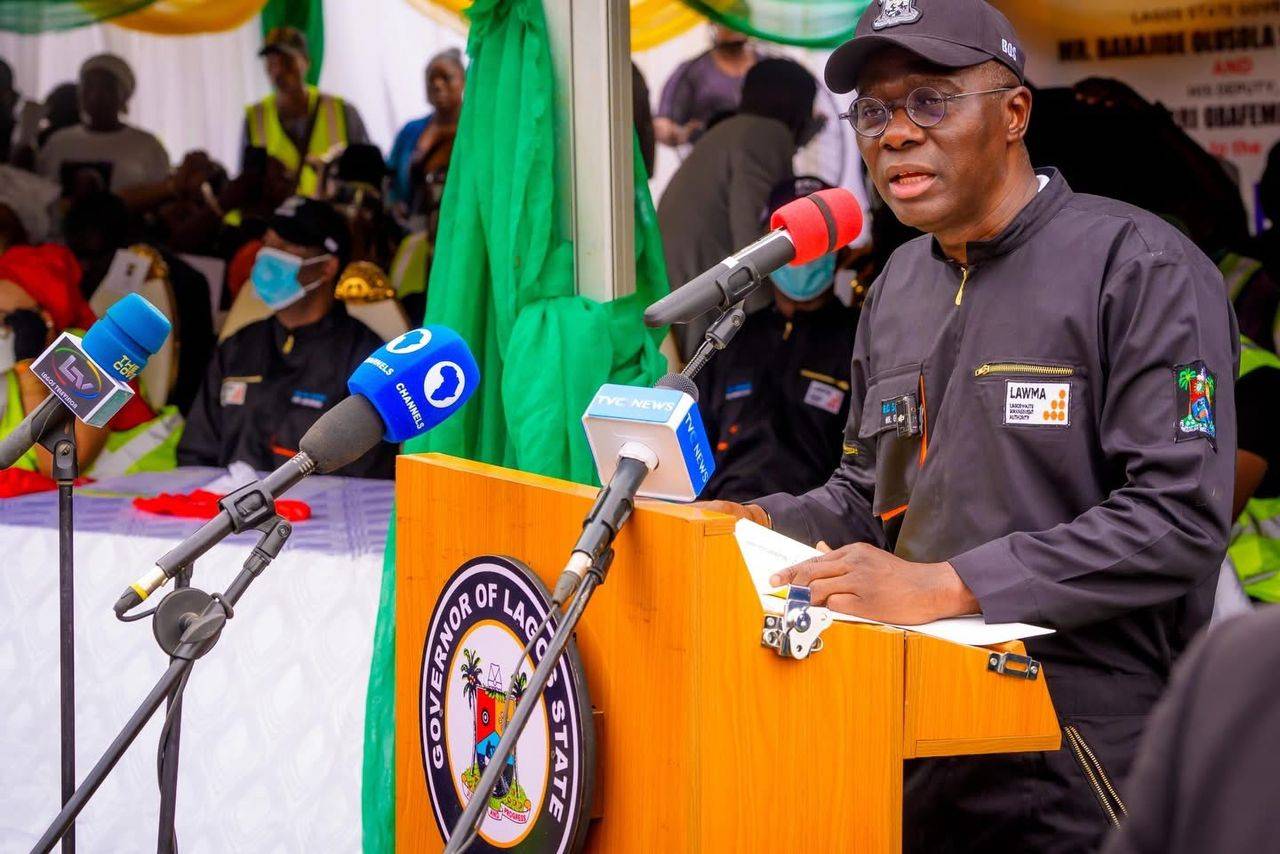
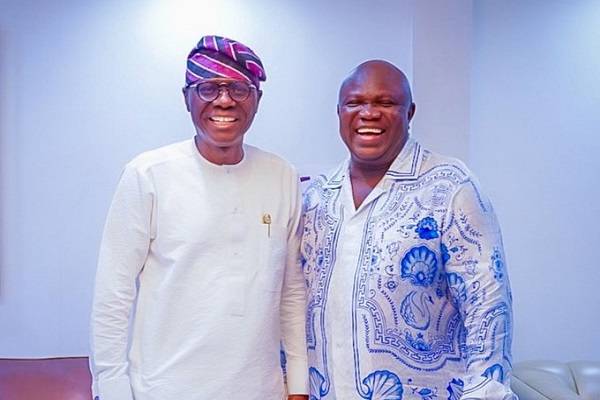
It can be said that Lagos State Governor Babajide Sanwo-Olu helped to release his predecessor, ex-governor Akinwunmi Ambode, from a self-imposed confinement that lasted about four years.
Ambode had disappeared after leaving office in 2019. He failed to get the endorsement of his party, the All Progressives Congress (APC), for a second term. He was comprehensively defeated in the party’s Lagos governorship primary in October 2018, in which he had 72, 901 votes while Sanwo-Olu got 970, 851 votes.
He became the first Lagos State governor to serve only one term since Nigeria’s return to democracy in 1999, and thereafter withdrew from society. His social withdrawal suggested negatives, and was a cause for concern.
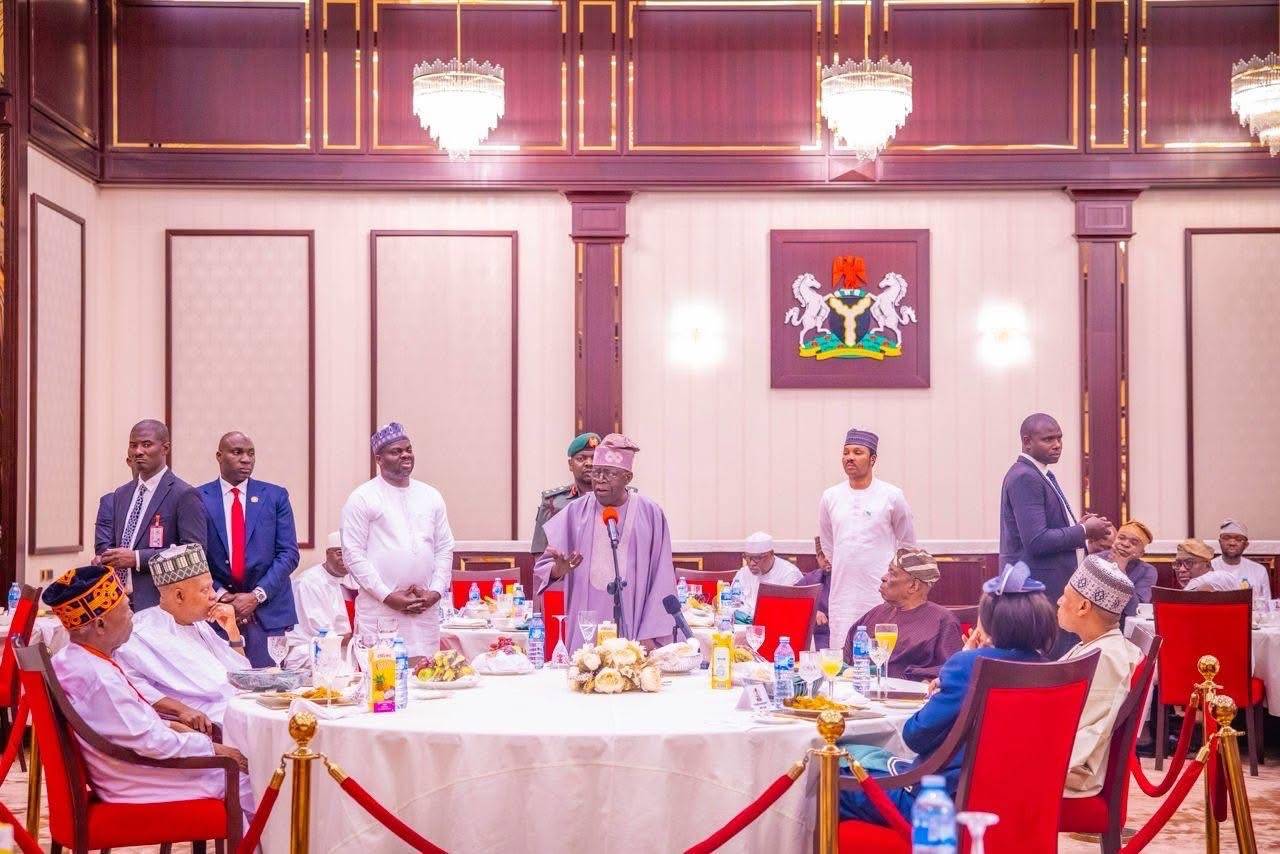
He was strikingly visible when, on June 29, he reemerged at a glittering ceremony to welcome President Bola Tinubu, also a former governor of Lagos, on his first visit to the state since his inauguration on May 29. “I’m glad to see Ambode. Thank you, Akin!” Tinubu was quoted as saying at the event at the Lagos House, Marina.
The president, who governed the state from 1999 to 2007, after Nigeria’s return to democracy, was celebrated by Sanwo-Olu, Ambode, and Babatunde Fashola, who succeeded Tinubu. Observers noted that it was the first time the incumbent governor and the ex-governors of Lagos State since 1999 had been seen together at a public event since Ambode’s social withdrawal in 2019.
The historic reunion may well have happened as a result of Sanwo-Olu’s application of emotional intelligence. When Ambode turned 60 on June 14, the governor demonstrated uncommon generosity of spirit by publicly congratulating him on his landmark birthday and even turning up at a private party at the celebrator’s residence.
In his congratulatory message, the governor said Ambode “displayed a high level of integrity, dedication and professionalism to service in the public sector,” and “recorded some achievements and also made positive and significant impacts in some sectors during his tenure as Lagos State governor, working for the continuous growth and development of our state.”
At the party, Sanwo-Olu called him “a jolly good friend and brother,” and prayed that he “would still be called upon to come and serve your people, to come and serve mankind, humanity.”
Ambode expressed his gratitude, saying, “What you have done today is pleasing to our hearts.” He added: “I want to show appreciation for all the kind words you have said to me and expressed in the media.”
Indeed, Governor Sanwo-Olu, who was reelected for a second term this year, commendably showed a forgiving heart. Events before the governorship primary ahead of the 2019 election led to a conflict between the two men, and Ambode fought dirty.
Desperate to stay in office, Ambode had made damning allegations against his challenger, which Sanwo-Olu described as “untrue.” ”Perhaps the tension and anxiety of the moment got the better of him. If given a chance at a cooler reflection on what he said, I am sure he would regret his descent into such low conduct. In this vein, I forgive him and hope he regains his balance and proper comportment no matter the outcome of tomorrow’s contest,” Sanwo-Olu added.
Tinubu’s decisive endorsement of Sanwo-Olu on the eve of the primary signalled the end of the Ambode era. The political giant described him as a candidate, “possessing a wealth of experience and exposure,” and “endowed with superlative vision and commitment,” who “knows the value of reaching out and working with others in order to maximise development and provide people the best leadership possible.”
Ambode, a trained accountant, was probably the most experienced individual, in terms of familiarity with the state’s civil service operations, to govern Lagos State since its creation in May 1967. In a 27-year career in the civil service, he was Auditor General for Local Government; Permanent Secretary, Ministry of Finance; and Accountant General of Lagos State from 2006 to 2012. He is credited with revolutionising “the way Lagos State finances were raised, budgeted, managed and planned” through his management of the State Treasury Office.
As he left the position of governor, Ambode had observed that “I came in as a technocrat, so I call myself a techno-politician.” This may well explain why he fell.
Interestingly, the Secretary to the Lagos State Government under his administration, Tunji Bello, attributed his fall to a lack of emotional intelligence. Bello’s assessment of the administration in which he was the third most powerful person, after the governor and the deputy governor, gave a thought-provoking insight into the personality and leadership style of the head of the government.
In a message titled ‘Time to say goodbye to colleagues on this platform,’ he said: “Our main drawback is our government’s inability to apply enough emotional intelligence in the administration of the state. Emotional intelligence includes interpersonal skills, interpersonal relationship, humility, respect for the well-established mores of governance, regard for the accomplishments of others.”
He listed faults: “The belief that our way is the best without considering other options in a democratic setting, absence of wider consultations, distance from the governed, lack of effective communication skill or amateurish display of government acts and political immaturity. Deliberate and open alienation of others. We undertook gigantic projects without the soul. We were too self-opinionated and narrow in our approach to governance.”
The message was meant for an “internal platform,” but somehow it reached the public domain. He added: “In leadership, emotional intelligence is 70 percent of application while individual brilliance is only 30 percent…
Besides, and apart from lack of enough camaraderie compared with previous administrations, our cabinet has been less rigorous, less fulfilled, less engaged and less accomplished. And for the first time since the time of Governor Lateef Jakande, this cabinet departs unappreciated and disenchanted.”
If lack of emotional intelligence was Ambode’s tragic flaw, the exhibition of emotional intelligence is Sanwo-Olu’s virtuous example. Ultimately, the story of these two men is a cautionary tale. People in power should recognise the value of emotional intelligence, and how it can make a difference in the sphere of governance.
Culled From The Nation