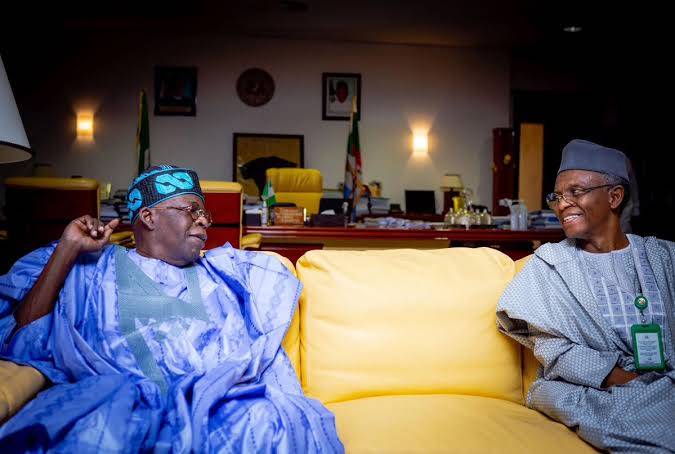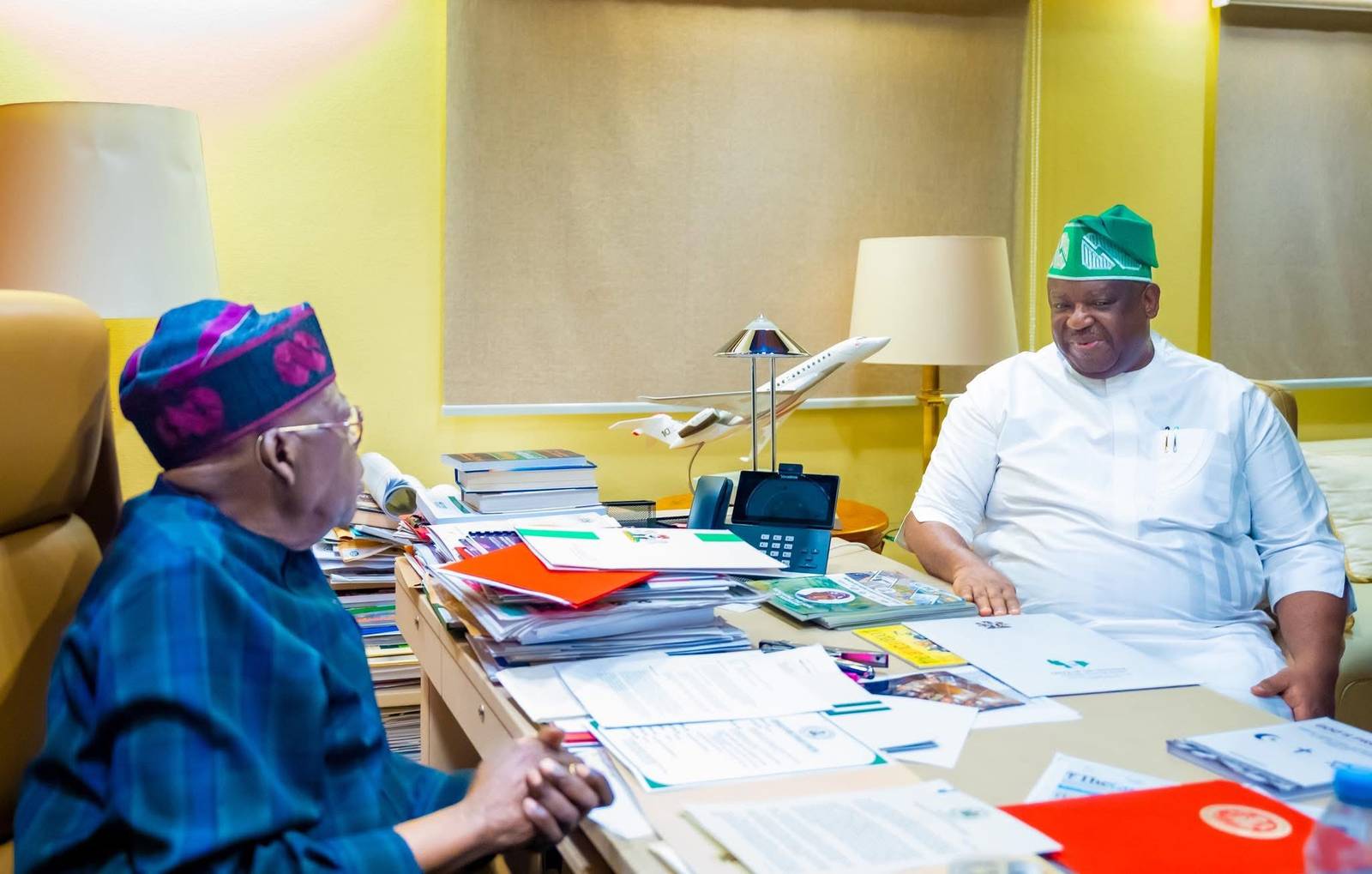

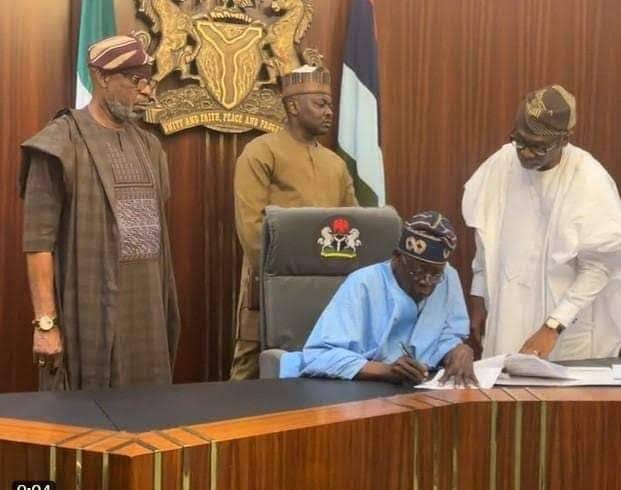

President Bola Ahmed Tinubu, GCFR, has planted a lasting smile on the faces of Nigerian students across the country as he signs the much-talked-about Students’ Loan Bill into law.
The development was made known by the President’s spokesperson, Mr Dele Alake, to reporters in Abuja.
Alake explained that the new law is signed in fulfillment of one of the electoral promises of President Tinubu.
Responding to a question on whether the newly signed law will not encourage a hike in school fees, Alake said the situations are unrelated, adding that the idea behind the law is to help indigent students obtain education in the country.
“We are very happy to announce to you that today, just a few minutes ago, the President His Excellency, Bola Ahmed Tinubu, signed into law, the Student Loans Bill and that Student Loans Bill, you all know what it entails, what it connotes the meaning.
“This is the promise made during the presidential campaign by the then-candidate, His Excellency, Bola Ahmed Tinubu, that he will bring back the student loans issue to the front burner and today, that promise he made has been kept, he has just signed that bill into law, which henceforth, will allow or enable our indigent students to access federal government loans to fund their educational pursuit or career and this is how it’s done in other developed climes all over the world,” he said.
Further research by Theliberationnews showed that the loan will only be accessible to students who do not owe a debt to financial institutions or those who have never been convicted of a felony or any offence involving dishonesty or fraud.
Also, students found guilty of examination malpractice by any school authority are exempted from the loan scheme.
It was gathered that repayment of the loan will be two years after completion of NYSC and it would be by direct deduction of 10% of the beneficiary’s salary at source by the employer.
Where the beneficiary is self-employed, he shall remit 10% of his total profit monthly.