

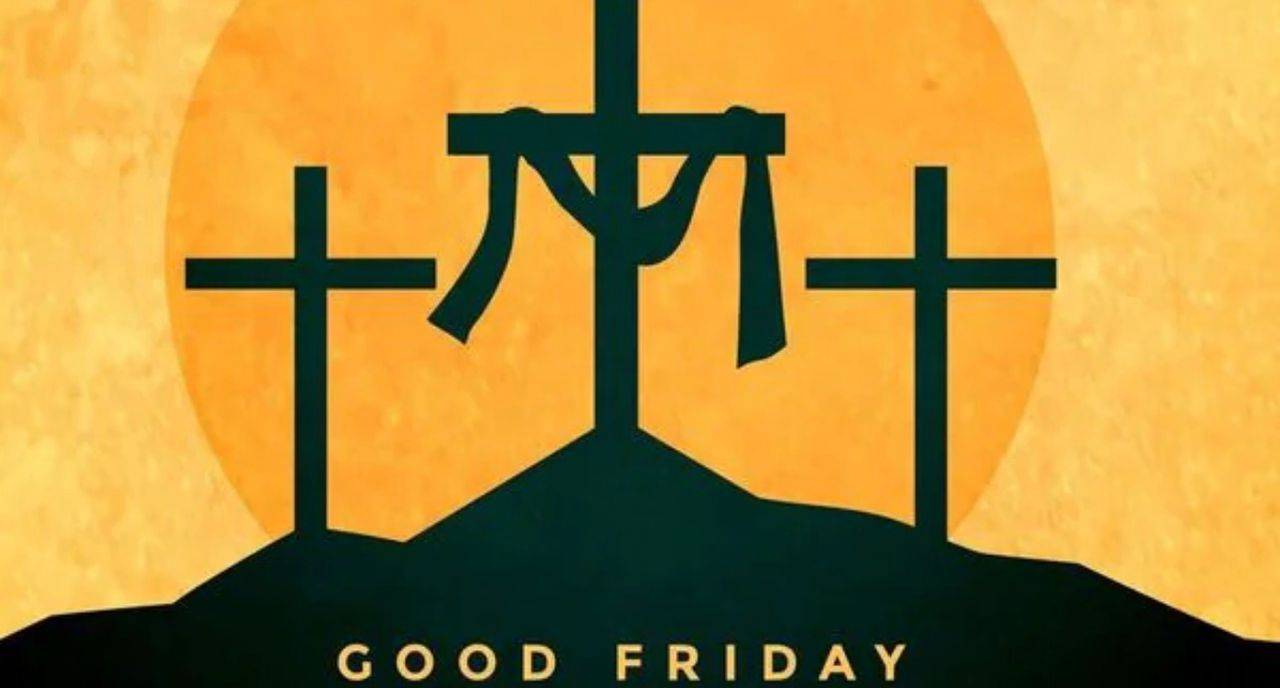

Good Friday 2026, observed on April 3, is a day of deep spiritual reflection and commemoration for Christians. Its significance lies in the remembrance of Jesus Christ’s crucifixion and the hope offered by his resurrection.
While somber in tone, Good Friday remains an integral part of Holy Week, connecting the past sacrifice of Christ with the promise of redemption and renewal celebrated on Easter Sunday.
While somber in tone, Good Friday remains an integral part of Holy Week, connecting the past sacrifice of Christ with the promise of redemption and renewal celebrated on Easter Sunday. (HT)
Good Friday is one of the most solemn days in the Christian calendar, observed globally to commemorate the crucifixion and death of Jesus Christ. In 2026, Good Friday falls on April 3, marking an important moment in Holy Week, the week leading up to Easter Sunday, which celebrates the resurrection of Jesus. This day is observed by Christians worldwide, reflecting on Jesus’ sacrifice for humanity and his role in salvation according to Christian belief.
While the day is marked by mourning and reflection, it is considered “good” because it led to the resurrection of Jesus, symbolizing hope, salvation, and victory over death.
The date of Good Friday
Good Friday does not have a fixed date because it is based on the lunar calendar. It falls two days before Easter Sunday, which is celebrated on the first Sunday after the full moon following the spring equinox.
As a result, Good Friday can occur anytime between March 20 and April 23. This calculation links it directly to the Jewish Passover, which Jesus was observing before his crucifixion.
Historical background
The history of Good Friday dates back to the crucifixion of Jesus Christ in Jerusalem over 2,000 years ago. According to Christian belief, Jesus was arrested, tried, and sentenced to death by crucifixion under Roman rule. This day represents the ultimate sacrifice of Jesus, who endured suffering and death to atone for humanity’s sins. Good Friday is observed with reverence, fasting, prayer, and reflection on the profound impact of Christ’s sacrifice on humanity.
Significance of Good Friday
Good Friday holds deep spiritual significance for Christians. It serves as a reminder of Jesus’ love, humility, and willingness to endure suffering for the redemption of mankind. Christians view the crucifixion as a pivotal moment in human history that made salvation and eternal life possible. The day is often marked by church services, processions, and reenactments of the Passion of Christ, highlighting his journey to the cross.
For many, Good Friday is not just a commemoration of past events but also a time for personal reflection, penance, and spiritual renewal. It emphasizes themes of sacrifice, compassion, and forgiveness, which are central to Christian teachings.
How is Good Friday observed?
Good Friday is observed differently around the world, reflecting local customs and traditions. In many countries, churches hold special services, prayers, and sermons, and believers may participate in fasting or abstaining from certain foods as a form of penance. In some regions, religious processions reenact Jesus’ journey to Calvary, while in others, people engage in quiet contemplation at home.
Church services: Many churches hold special prayers, sermons, and meditations.
Stations of the Cross: Some Christians follow the journey of Jesus’ final hours through rituals called the Stations of the Cross.
Fasting and reflection: Many believers fast or give up certain luxuries to honor Jesus’ sacrifice.
Countries such as the United States, the United Kingdom, Australia, Canada, and many European nations recognize Good Friday as a public holiday or state holiday, although it is not a federal holiday in the US. Businesses, schools, and government offices may adjust schedules, and religious observances take center stage for those who follow Christianity.
Cultural and spiritual meaning
Good Friday is also significant for its cultural impact. Beyond the religious context, the day inspires reflection on moral values, human suffering, and social responsibility. The somber nature of Good Friday encourages believers to meditate on life, death, and the hope of resurrection, which is celebrated on Easter Sunday.
Credit: Mint